
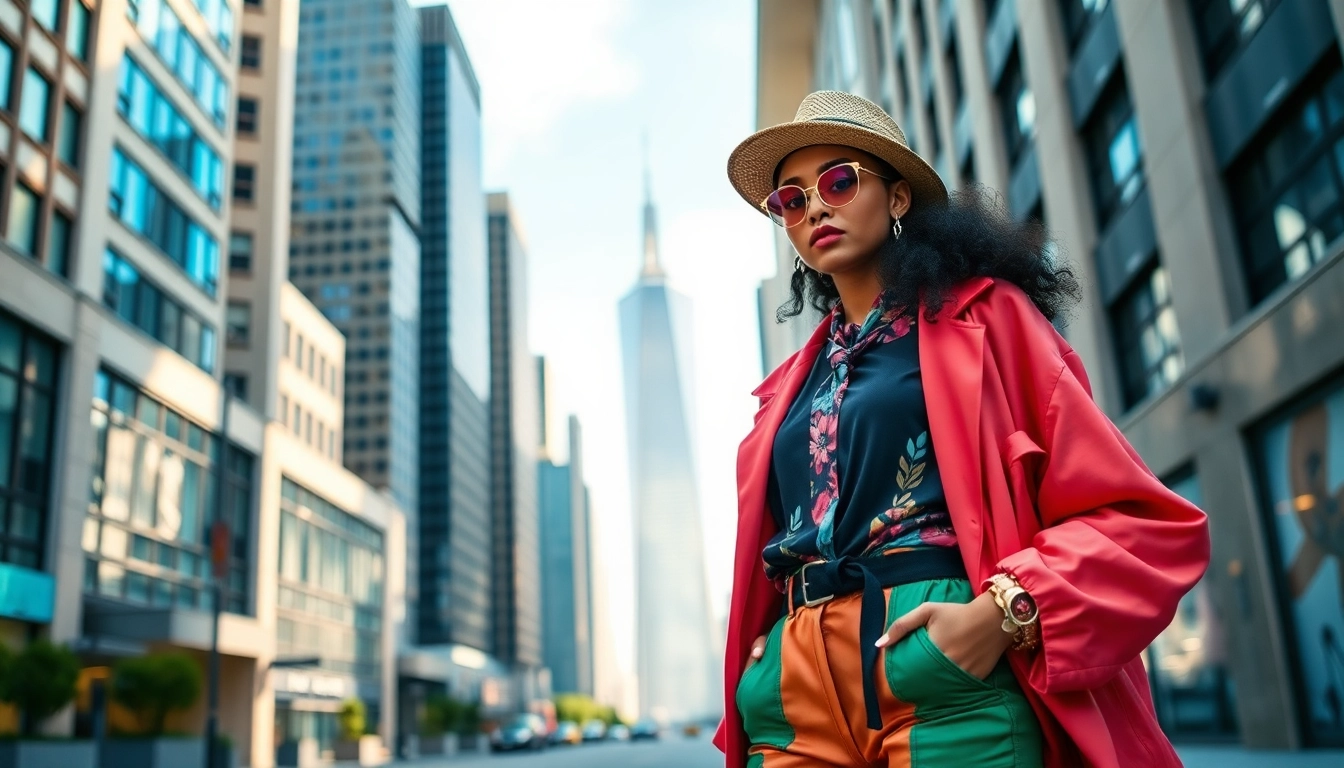
Understanding Fashion Trends
Definition and Importance of Fashion Trends
Fashion trends refer to the specific styles, colors, and patterns that dominate the clothing and accessory market for a certain period. These trends are influenced by a myriad of factors, including cultural shifts, economic changes, social media, and celebrity influence. They serve not only as a reflection of current societal values but also as a means of expression for individuals. Understanding these trends can provide insight into consumer behavior and help brands tailor their offerings to meet market demands. Embracing Fashion trends is essential for both consumers and brands to stay relevant.
The Evolution of Fashion Trends Over Time
Fashion is perpetually changing, evolving from one era to the next. Historical events, cultural movements, and technological advancements all play significant roles in shaping these changes. For instance, after World War II, a sense of optimism fueled a return to more vibrant colors and styles, while the 1970s embraced bohemian and rock ‘n’ roll aesthetics due to cultural revolutions. Today, rapid communication through social media has accelerated the pace at which trends emerge and fade, allowing microtrends to flourish almost overnight. This continuous evolution is a testament to fashion’s dynamic nature where yesterday’s fads are today’s vintage styles.
Why Fashion Trends Matter to Consumers
For consumers, fashion trends are pivotal in guiding their purchasing decisions. Trends provide a framework for how to dress, which influences personal style and identity. They also create a sense of belonging and community, with individuals often feeling more connected to others who share similar fashion sensibilities. Furthermore, keeping up with trends can enhance self-esteem and confidence, as being fashionable often aligns with social approval. The integration of trends into everyday attire serves not just a practical purpose but also fulfills an emotional need for many consumers.
Identifying Key Fashion Trends for the Year
Top Color Trends Dominating This Season
This year, palettes reflect current cultural moods more than ever. Earthy tones are making a comeback, correlating with a growing awareness of sustainability and nature. Shades such as olive green, rust orange, and muted browns are prominent, symbolizing a return to simpler, more natural aesthetics. Additionally, vibrant hues like electric blue and sunny yellow are interspersed for those seeking to make bolder statements. These color trends can significantly influence seasonal collections and ultimately guide consumers looking to refresh their wardrobes.
Must-Have Styles for Daily Wear
Practicality meets style in the latest daily wear trends. The rise of athleisure continues to dominate, blurring the lines between comfortable and fashionable clothing. High-waisted joggers, oversized tees, and tailored sweatpants have transcended the gym setting, becoming staples in casual wardrobes. Meanwhile, the resurgence of tailored pieces emphasizes comfort without compromising elegance. Structured blazers combined with breathable fabrics and relaxed fits are essential for both work and social gatherings, embodying versatility in modern fashion.
The Influence of Culture on Fashion Trends
Cultural undercurrents subtly yet profoundly shape fashion trends. The rise of global movements—whether social, political, or environmental—often finds expression through fashion. For instance, the increased focus on body positivity has led to more inclusive sizing and diverse representation in campaigns. Additionally, cultural heritage, showcased through ethnic prints and historical silhouettes, is influencing contemporary designs, celebrating diversity while fostering understanding among consumers. This fusion of culture and fashion results in richer, more meaningful clothing options that resonate on multiple levels.
How to Incorporate Fashion Trends Into Your Wardrobe
Mixing Trends with Timeless Pieces
Incorporating fashion trends into your wardrobe doesn’t require a complete overhaul. Mixing trendy pieces with timeless staples is one of the most effective strategies. Classic items, such as a well-fitted pair of jeans or a white button-up shirt, can be elevated with trendy accessories or outerwear. For example, a chic oversized coat can transform a minimalist outfit into something modern and fresh. This approach not only ensures sustainability by maximizing the lifespan of every piece but also allows individuals to express their unique style without sacrificing quality.
Accessorizing: Balancing Trends and Classic Style
Accessories are a powerful way to infuse trends into any outfit. Statement jewelry, bold belts, or trendy hats can instantly update a look. Choose one or two elements that resonate with current trends and combine them with classic ensembles. A simple black dress paired with vibrant footwear and colorful jewelry can make a striking impression while maintaining an air of sophistication. Learning to accessorize effectively empowers individuals to navigate the fine line between current trends and enduring style.
Building a Capsule Wardrobe Around Key Trends
A capsule wardrobe focuses on a limited number of versatile pieces that can be mixed and matched. When building one around key fashion trends, opt for essential elements in trendy colors and styles that align with your lifestyle. Include a few high-quality, timeless basics (like a tailored blazer or classic white sneakers) as foundational pieces. This strategic approach allows for personal expression while minimizing clutter and promoting mindful consumption, which is especially relevant in today’s fast-fashion landscape.
Monitoring Trends: Resources and Tools
Online Platforms to Stay Updated on Fashion Trends
The digital age has transformed the way we consume fashion content. Online platforms such as fashion blogs, e-commerce sites, and trend forecasting services are invaluable for staying updated. Instagram and Pinterest, for instance, serve as visual trend trainers, showcasing emerging styles in real-time. Additionally, trend analysis websites offer predictions that can guide consumers and brands alike, allowing them to stay ahead of the curve in a competitive landscape.
Using Social Media to Track Emerging Trends
Social media has become the heartbeat of fashion forecasting. Influencers and style icons rapidly disseminate new aesthetics, and hashtags often signal rising trends. Engaging with community-driven content and participating in conversations around current styles helps individuals not only track trends but also understand their context. Following diverse accounts ensures exposure to various influences, broadening personal style horizons and capabilities.
Fashion Shows: Where to Watch and What to Learn
Fashion shows are pivotal in setting trends, serving as barometers for the industry. From New York to Milan, these events not only spotlight upcoming collections but also offer insights into designer intentions and overarching themes for the season. Live streams and digital recaps create opportunities for those unable to attend in person. Observing designers’ use of color, shape, and composition provides valuable lessons about emerging trends and consumer expectations.
FAQs About Fashion Trends
What are the latest fashion trends for women?
The latest trends for women integrate oversized silhouettes, bold colors, and chic layering. Seasonal collections play a critical role in showcasing new styles that resonate with current cultural moods.
How often do fashion trends change?
Fashion trends typically evolve with each season, influenced by pop culture, catwalks, and societal shifts. The fast-paced nature of today’s fashion industry leads to shorter trend life cycles than ever before.
Can I wear multiple trends at once?
Yes, mixing trends can be a creative and fun approach. However, aim for balance by pairing trendy items with classic pieces to maintain cohesion and style.
Are fashion trends the same for men and women?
No, while there are overlapping trends, distinct styles cater to specific gender aesthetics. Men’s fashion trends often focus on different cuts and styles compared to women’s fashion.
How can I predict fashion trends?
Gaining insights into upcoming trends involves observing industry forecasts, following influencers, and attending major fashion weeks. Analyzing social media can also reveal emerging styles.