
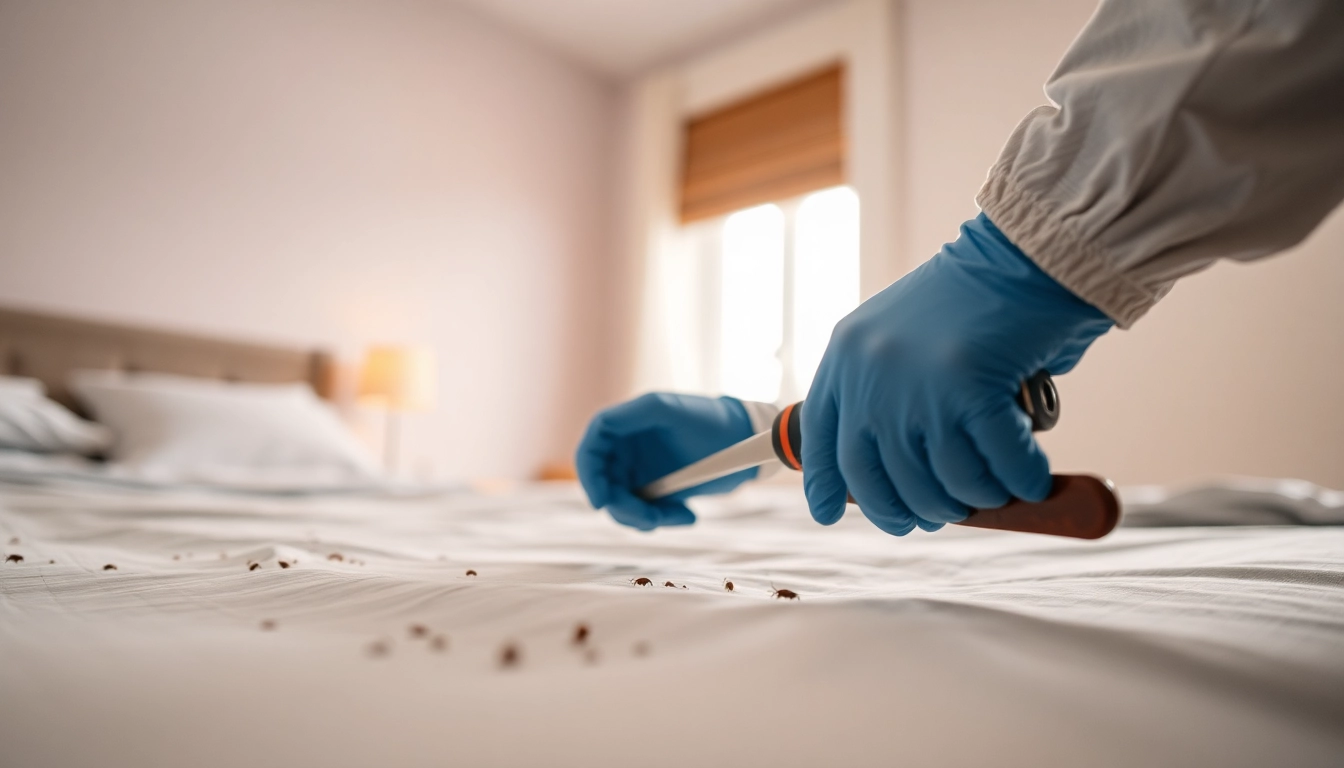
Understanding Bed Bugs and Their Habits
What Are Bed Bugs?
Bed bugs (Cimex lectularius) are small, parasitic insects that feed exclusively on the blood of humans and other warm-blooded hosts. These nocturnal creatures are typically brown, oval, and flat, making them adept at hiding in small crevices, including mattress seams, furniture, and even electrical outlets. Despite their size—ranging from 1mm to 7mm in length—they can cause significant distress and discomfort through their bites, which often result in itchy welts on the skin.
Signs of a Bed Bug Infestation
Identifying a bed bug infestation early is crucial for effective bed bug removal. Common signs include:
- Red, itchy welts on the skin, often arranged in lines.
- Small, dark spots on bedding and furniture, which are bed bug excrement.
- Molted bed bug skins, as these insects shed their exoskeletons during growth.
- Visible bed bugs, often found hiding in seams of mattresses and box springs.
The Life Cycle of Bed Bugs
Understanding the life cycle of bed bugs is essential in formulating an effective bed bug removal strategy. Bed bugs undergo five nymphal stages before reaching maturity. The entire cycle, from egg to adult, can take as little as five weeks, depending on environmental conditions. Female bed bugs can lay up to 500 eggs in their lifetime, making their control all the more critical. Therefore, identifying and treating infestations early on is vital in preventing widespread establishment.
Methods for Bed Bug Removal
Heat Treatment for Bed Bugs
Heat treatment is considered one of the most effective methods for bed bug removal. This process involves raising the temperature of infested areas to a lethal range, typically between 120°F to 140°F, for a sustained period. During this treatment, all bed bugs, including eggs, are exposed to high temperatures that effectively eliminate them. Many professionals suggest maintaining these temperatures for several hours to ensure efficacy.
Using Insecticides Effectively
Insecticides can be effective when used correctly in a bed bug removal strategy. It is essential to choose products specifically labeled for bed bug treatment and to follow all manufacturer instructions. The application should be thorough and focused on the areas where bed bugs are often found, including bed frames, mattresses, and furniture crevices. It may also be beneficial to combine insecticides with other methods for a more comprehensive approach.
Mechanical Approaches to Eliminate Bed Bugs
Mechanical methods, such as vacuuming and encasements, can play an essential role in bed bug management. Vacuuming can remove live bugs and eggs, particularly from carpets and upholstery, while mattress encasements can help prevent bed bugs from infesting mattresses, providing a barrier that can protect and isolate them. Regular inspection and proper housekeeping can synergize with these methods for optimal results.
DIY Bed Bug Removal Techniques
Homemade Solutions for Minor Infestations
For minor infestations, several homemade solutions can assist in bed bug removal. Washing and drying bedding and clothing at high temperatures can effectively kill bed bugs. Steam cleaning surfaces and using diatomaceous earth— a natural powder made from sedimentary rock—can also disrupt bed bug habits. However, it is crucial to remember that DIY methods may not be sufficient for severe infestations.
Preventative Measures to Stop Bed Bugs
Preventing bed bugs from entering your home is just as important as removal. To do this, inspect used furniture and mattresses, seal cracks and crevices, and use protective mattress covers. Regularly wash bedding and maintain a clutter-free environment can further deter bed bugs from finding habitats in your home.
Common Mistakes to Avoid During Removal
In the quest for bed bug removal, avoidance of common pitfalls can significantly increase the chances of success:
- Neglecting to treat all infested areas can lead to re-infestation.
- Failing to follow application instructions for chemical treatments can reduce their effectiveness.
- Forgetting to monitor and re-treat periodically may leave residual bugs and eggs.
Professional Bed Bug Removal Services
When to Call the Experts
While DIY methods can be effective for some individuals, many factors indicate the need for professional intervention for bed bug removal. If the infestation is widespread, if you have persistent symptoms, or if prior attempts at extermination have failed, it is time to call the experts. Professionals possess the necessary training, tools, and experience to safely and effectively eliminate bed bugs.
Choosing the Right Exterminator
Choosing the right exterminator involves careful consideration. Look for licensed and insured professionals with specific experience in bed bug removal. Client reviews and references can provide insight into their effectiveness and customer service. Additionally, ensure they offer a thorough inspection before beginning treatment and that they discuss all options available to you.
Expected Costs of Professional Services
The cost of professional bed bug removal can vary significantly based on multiple factors, including the extent of the infestation, size of the property, and chosen treatment methods. On average, homeowners can expect to pay anywhere from $300 to $1500 for a complete professional service. Understanding these costs can assist in budgeting and choosing the right treatment plan.
Long-Term Prevention Strategies
Monitoring for Re-infestation
Long-term success in prevention relies heavily on monitoring for re-infestation. Regularly inspect living spaces, particularly after travel or if you’ve brought new items into your home. Bed bug traps can be useful in identifying new sightings and providing a proactive approach to management.
Best Practices for Travelers
Travelers are at a higher risk of transporting bed bugs back to their homes. Implementing practices such as inspecting hotel rooms, keeping luggage elevated, and washing and drying clothes upon returning can limit the likelihood of a hitchhiking infestation. Awareness and preparation are essential for a bed bug-free travel experience.
Maintaining a Bed Bug-Free Home
Maintaining a home free of bed bugs involves a consistent approach. Regular cleaning schedules, decluttering, and inspection routines must be part of household practices. Staying informed about local infestations can also guide timely preventative measures. Creating awareness among your household members can increase collective vigilance against these pests.
Frequently Asked Questions about Bed Bug Removal
1. How can I tell if I have bed bugs?
Look for signs such as itchy bites in a line, dark spots on bedding, and physical evidence like shed skins or live bugs in crevices.
2. Can bed bugs be completely eradicated?
Yes, bed bugs can be eradicated with a combination of heat treatments, insecticides, and professional pest control services, but successful elimination may take time.
3. Are homemade solutions effective for serious infestations?
Homemade solutions may work for minor infestations, but they are usually not sufficient for larger problems. Professional help is often necessary.
4. How much does professional pest control cost?
The cost typically ranges from $300 to $1500, depending on the infestation’s severity and the treatment method. It’s important to get quotes from several service providers.
5. What should I do if I find bed bugs while traveling?
If you spot bed bugs while traveling, alert the management immediately, request a different room, and inspect your luggage before leaving the premises.
Effective bed bug removal is crucial for maintaining peace of mind and comfort in your home. Understanding these aspects will empower you in the fight against bed bugs.