
Managing diabetes effectively requires accurate and timely information about blood glucose levels. With the advancement of medical technology, Diabetes monitor devices have become indispensable tools for people with diabetes. These devices not only provide real-time insights but also empower patients to make informed decisions about their health. In this article, we will explore the benefits, types, and features of modern diabetes monitor devices that offer instant glucose readings.
Understanding Diabetes Monitors
A diabetes monitor is a device designed to measure blood sugar levels in real time. Traditionally, individuals with diabetes had to rely on periodic lab tests to track their glucose levels. However, with the introduction of advanced diabetes monitor devices, monitoring has become faster, more accurate, and convenient. These devices help users manage diabetes more effectively by offering instant feedback.
Why Instant Glucose Insights Matter
Instant glucose insights allow patients to detect fluctuations in blood sugar levels immediately. This is crucial because high or low glucose levels can lead to serious complications if not addressed promptly. Using a reliable diabetes monitor, individuals can track trends in their glucose levels throughout the day, enabling them to adjust their diet, physical activity, or medication accordingly.
Types of Diabetes Monitor Devices
1. Continuous Glucose Monitors (CGM)
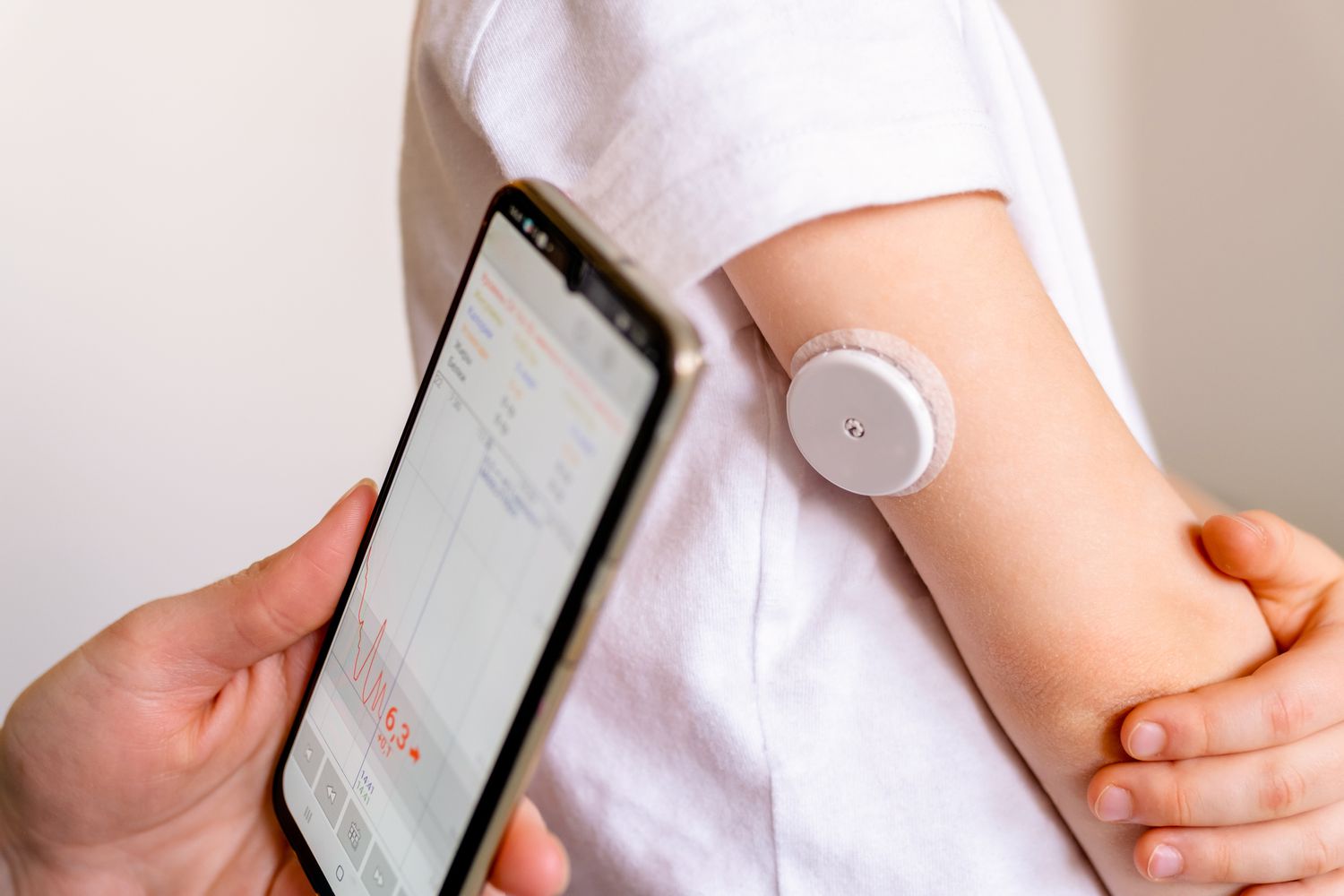
Continuous glucose monitors are wearable devices that measure glucose levels in real time, typically every few minutes. CGMs provide detailed data and trends, which are accessible through a smartphone or a dedicated device. With a CGM, users can receive alerts when their glucose levels are too high or too low, making it one of the most advanced types of diabetes monitor devices available today.
2. Flash Glucose Monitors
Flash glucose monitors are another innovative option. Unlike traditional monitors that require finger-prick tests, flash monitors use a sensor worn on the skin. Users simply scan the sensor with a reader or smartphone to obtain instant glucose readings. This type of diabetes monitor is highly convenient and helps improve compliance with glucose tracking.
3. Traditional Blood Glucose Meters
Despite advancements in CGMs and flash monitors, traditional blood glucose meters remain widely used. These devices require a small drop of blood obtained through a finger prick. Modern blood glucose meters provide results within seconds, ensuring users have immediate access to critical glucose information. These devices are still an essential part of the diabetes monitor ecosystem.
Key Features to Look for in a Diabetes Monitor
When selecting a diabetes monitor, certain features enhance usability and effectiveness:
- Accuracy: Ensuring precise glucose readings is the top priority.
- Ease of Use: Devices with simple interfaces encourage regular monitoring.
- Connectivity: Many monitors sync with smartphones or apps to track trends over time.
- Alerts: Real-time notifications for high or low glucose levels can prevent emergencies.
- Data Storage: The ability to store readings allows patients to share data with healthcare providers.
Benefits of Using Diabetes Monitor Devices
Using a diabetes monitor offers numerous benefits for people living with diabetes:
- Improved Blood Sugar Management: Regular monitoring helps maintain glucose within target ranges.
- Reduced Complications: Early detection of abnormal glucose levels can prevent serious health issues.
- Enhanced Lifestyle Choices: Real-time data encourages healthier eating and activity habits.
- Convenience: Instant readings reduce the need for frequent lab visits.
- Empowerment: Users gain control over their diabetes management through actionable insights.
How to Choose the Right Diabetes Monitor
Choosing the best diabetes monitor depends on individual needs and lifestyle. Factors to consider include:
- Frequency of monitoring required
- Preference for wearable vs. handheld devices
- Budget and insurance coverage
- Integration with apps or electronic health records
- Support and warranty from the manufacturer
It’s advisable to consult a healthcare professional before selecting a device to ensure it aligns with your diabetes management plan.
Tips for Effective Use of Diabetes Monitors
To maximize the benefits of a diabetes monitor, follow these tips:
- Calibrate the device regularly as per the manufacturer’s instructions.
- Record readings consistently to track trends accurately.
- Pair with smartphone apps to visualize patterns over time.
- Respond promptly to alerts and adjust lifestyle or medications accordingly.
- Share data with your healthcare provider to optimize treatment.
The Future of Diabetes Monitoring
The field of diabetes monitor technology is evolving rapidly. Next-generation devices are focusing on non-invasive glucose monitoring, AI-based predictions, and cloud integration for seamless tracking. These innovations promise to make diabetes management more efficient, less intrusive, and highly personalized.
Conclusion
Diabetes monitor devices that provide instant glucose insights have transformed diabetes care. From continuous glucose monitors to traditional meters, these devices offer convenience, accuracy, and real-time data essential for managing blood sugar effectively. By choosing the right device and using it consistently, individuals with diabetes can maintain better control over their health, prevent complications, and lead a more informed and empowered life.