
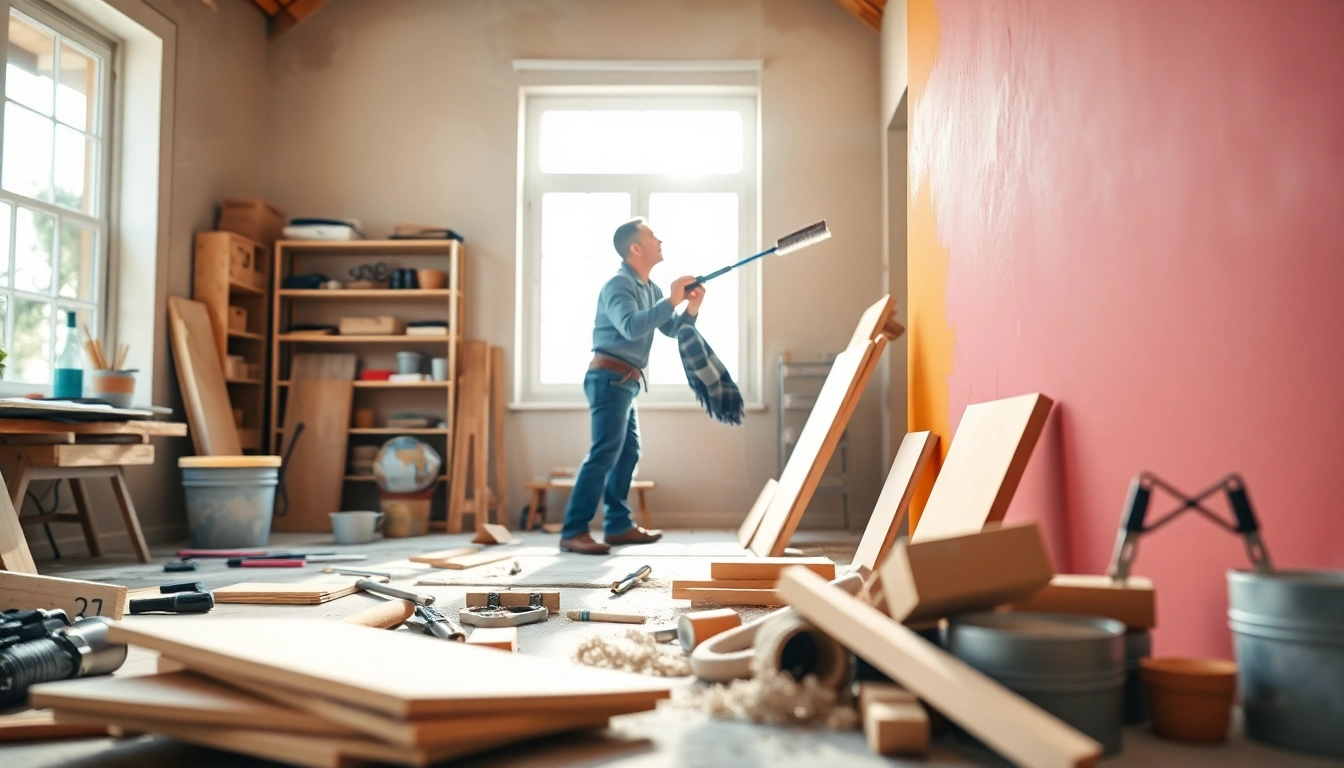
Understanding Home Renovation Basics
What is Home Renovation?
Home renovation encompasses the process of improving, updating, or altering a home to enhance living quality and aesthetics. This can involve simple tasks, like painting or landscaping, to comprehensive changes, such as matters involving structural work, plumbing modifications, and reconfiguring living spaces. By undertaking a Home renovation, homeowners not only infuse new life into their spaces but also adapt their homes to suit modern requirements and personal tastes.
Trends in Home Renovation
Home renovation trends evolve just like fashion cycles, reflecting changing homeowner preferences and socio-economic factors. Recent trends include:
- Sustainable Designs: Many are opting for eco-friendly materials and energy-efficient appliances that minimize ecological impact.
- Open Floor Plans: This trend promotes spaciousness and a communal environment, blurring the lines between indoor and outdoor living.
- Smart Home Technology: Increasingly, homes are being outfitted with smart technology for safety, efficiency, and convenience.
- Multifunctional Spaces: As more people work from home, creating adaptable spaces for both work and relaxation is gaining popularity.
Common Challenges in Home Renovation
While home renovation can be fulfilling, it is not without its challenges. Common pitfalls include:
- Budget Overruns: Many homeowners underestimate costs, leading to financial strain.
- Planning Delays: Poor project timelines can lead to prolonged renovations, resulting in frustration and inconvenience.
- Regulatory Issues: Lack of knowledge about permits and building codes can halt or complicate projects.
- Miscommunication: This often occurs between homeowners and contractors, leading to unsatisfactory results.
Planning Your Home Renovation
Setting a Realistic Budget for Home Renovation
Establishing a clear budget is paramount to the success of any renovation. Begin by assessing your financial situation, determining how much funding is available, and deciding whether external financing is necessary. Keep in mind the 70-20-10 rule wherein 70% of your budget should go towards contractors and materials, 20% for miscellaneous costs, and 10% reserved as a contingency fund for unexpected expenses.
Design Elements to Consider in Home Renovation
Design is a core component of home renovation, influencing both functionality and aesthetics. Focus on key elements such as:
- Color Schemes: Choose colors that reflect your style and mood, while also complementing natural light and space.
- Materials: Select durable materials that can withstand wear and tear while being visually appealing.
- Layout: An efficient layout can enhance workflow, especially in kitchens and bathrooms.
- Lighting: Good lighting uplifts spaces and accentuates features, making it an integral aspect of design.
Creating a Timeline for Your Home Renovation
A well-structured timeline can prevent chaos during your renovation. Break down the project into phases, including:
- Initial Planning: Research ideas and create a design that matches your budget and goals.
- Permit Acquisition: Allow time for obtaining the required codes and permissions.
- Demolition and Construction: Allocate sufficient time for each phase, including unexpected delays.
- Finishing Touches: Ensure there’s time at the end for final inspections and adjustments.
Executing Your Home Renovation Project
Choosing the Right Contractors for Home Renovation
Selecting the right contractors can make or break your renovation. Consider the following:
- Referrals and Reviews: Seek recommendations and read online reviews to gauge a contractor’s reliability.
- Qualifications: Verify that potential contractors hold the necessary licenses and insurance.
- Estimates and Proposals: Obtain detailed estimates to understand costs and the scope of work.
- Communication: Choose contractors who communicate openly and respond timely to your inquiries.
Best Practices for Home Renovation Execution
To ensure smooth execution, implement these best practices:
- Regular Check-Ins: Schedule regular meetings with contractors to discuss progress and address concerns.
- Document Everything: Maintain detailed records of agreements, changes, and communications.
- Stay Flexible: Be prepared for adjustments and changes that may arise during the process.
- Quality Checks: Conduct walkthroughs at various stages to ensure quality craftsmanship.
Staying on Schedule During Home Renovation
Staying on schedule can be challenging, but you can employ certain strategies:
- Set Clear Milestones: Break the project into smaller goals, making it easier to track progress.
- Prioritize Tasks: Identify critical path elements essential for moving forward.
- Stay Proactive: Anticipate potential delays and take steps to mitigate them by keeping communication channels open.
- Buffer Time: Allow extra time for potential setbacks when planning your timeline.
Maximizing Value in Home Renovation
Smart Upgrades in Home Renovation
Not all renovations carry the same value. Prioritizing smart upgrades can yield a higher return on investment (ROI). Consider:
- Kitchen Remodel: This often provides the best ROI, with modern appliances and efficient layouts being key components.
- Bathroom Update: Updating fixtures and finishes in bathrooms can significantly enhance a home’s appeal.
- Outdoor Living Spaces: Adding features such as decks or patios can extend living spaces and attract buyers.
- Energy Efficiency Improvements: Insulation and window upgrades can save utility costs and improve home desirability.
Increasing Home Value Through Home Renovation
Transformative renovations can elevate your home’s market value. Implement the following strategies:
- Curb Appeal: A well-maintained exterior, including landscaping and paint, can significantly increase first impressions.
- Modern Updates: Features like smart home technology can make your home more appealing to tech-savvy buyers.
- Additional Features: Adding extra bedrooms or bathrooms can provide added value and attract higher offers.
- Quality Over Quantity: Invest in high-quality materials rather than cutting corners for a more substantial impact.
Understanding ROI on Home Renovation Investments
Understanding the ROI on renovations is crucial for making informed decisions. Generally, calculations involve looking at the increase in property value versus the costs incurred. Key metrics include:
- Percentage Increase: Calculate the percentage increase in home value post-renovation.
- Cost Recouped: Determine what percentage of renovation costs can be recouped on resale.
- Market Trends: Analyze market trends to understand which renovations are in demand and may yield higher returns.
- Comparative Analysis: Compare your home’s features and condition against similar properties in your area.
Aftercare and Maintenance Post Home Renovation
Essential Maintenance Tips After Home Renovation
To protect your investment and ensure longevity, follow these essential maintenance tips:
- Regular Inspections: Conducting regular checks on structural elements and systems can prevent minor issues from becoming major problems.
- Cleaning Schedules: Establish a cleaning routine that includes areas affected by renovations, like new appliances and fixtures.
- Upkeep of Landscaping: Keep up with yard work and landscaping to maintain curb appeal and functionality.
- Sealants and Coatings: Apply necessary sealants to protect surfaces exposed to weather elements.
Evaluating Quality of Work in Home Renovation
After the completion of your renovation project, it’s crucial to assess the quality of work. Look for:
- Workmanship: Ensure that all features blend seamlessly with the existing structure and meet design intentions.
- System Functionality: Check that all systems (plumbing, electrical) function correctly, without leaks or malfunctions.
- Finishing Touches: Evaluate the details such as paint finishes, trim work, and installations for completeness and quality.
- Post-Project Cleanliness: Assess if the work area has been cleared and cleaned properly post-renovation.
Future Proofing Your Home After Home Renovation
To ensure your home remains valuable and functional, consider future-proofing techniques:
- Technology Integration: Equip your home with adaptable technologies that can accommodate future upgrades.
- Flexible Spaces: Design spaces that can be easily repurposed as needs evolve, such as multi-use rooms.
- Quality Materials: Use durable materials that withstand trends and wear over time.
- Regular Maintenance Plans: Schedule regular assessments of your home to catch potential issues before they escalate.