
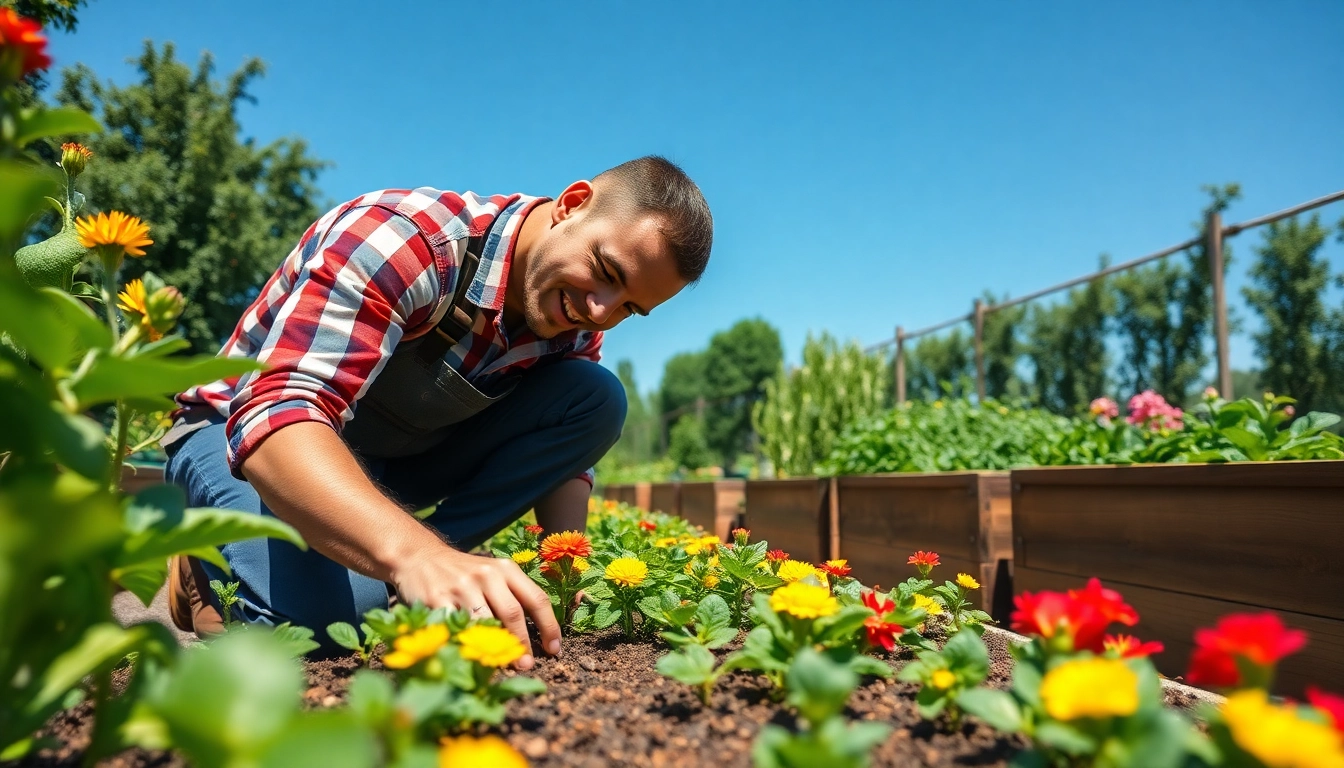
Understanding the Basics of Gardening
Gardening is more than just a hobby; it’s an enriching practice that connects individuals with nature. Whether you’re looking to grow your own food, beautify your space, or contribute positively to the environment, understanding the foundational principles of Gardening is essential. This comprehensive guide is designed to help you navigate the diverse aspects of gardening, from the initial stages of planning to advanced techniques for maintaining a flourishing garden.
What is Gardening?
Gardening is the practice of cultivating and nurturing plants—flowers, vegetables, herbs, and even trees—within a designated space. It encompasses a variety of activities, including soil preparation, planting, watering, weeding, and harvesting. Gardening can take place in backyards, community gardens, rooftops, or even indoor spaces, making it accessible to virtually anyone. By engaging in gardening, individuals contribute to the ecosystem, promoting biodiversity and sustainability.
Benefits of Gardening
The advantages of gardening extend beyond having a visual or edible yield. Some key benefits include:
- Health Benefits: Engaging in physical activities such as digging, planting, and weeding helps improve cardiovascular health, reduces stress, and enhances overall well-being.
- Environmental Impact: Gardening promotes biodiversity and can support local wildlife. Moreover, it reduces carbon footprints by decreasing the need for store-bought produce.
- Food Security: Growing your own vegetables and fruits ensures that you have access to fresh, organic produce, contributing to better nutrition and food security.
- Social Interaction: Community gardens foster relationships among neighbors and can benefit the community as a whole, encouraging collaboration and shared learning.
Choosing the Right Location for Your Garden
The success of a garden often hinges on its location. When selecting a site, consider the following factors:
- Sunlight: Most plants thrive with at least 6 to 8 hours of direct sunlight per day. Observe the sunlight patterns in your chosen area before planting.
- Soil Quality: Rich, loamy soil that drains well is ideal. If the existing soil is poor, you may need to enrich it with organic matter.
- Accessibility: Choose a location that is easily accessible for regular maintenance such as watering and harvesting.
- Protection: Consider placing your garden in a sheltered area to protect it from harsh winds and heavy rains.
Essential Gardening Tools and Supplies
Equipping yourself with the right tools and supplies is crucial for effective gardening. Here’s a list of essentials that can vastly improve your gardening experience.
Must-Have Gardening Tools
Investing in quality gardening tools maximizes efficiency and makes gardening tasks easier. Key tools include:
- Hand Trowel: Ideal for digging small holes and transplanting seedlings.
- Pruning Shears: Essential for trimming and maintaining plants, allowing for healthier growth.
- Garden Fork: Perfect for loosening soil and aerating compacted areas.
- Watering Can or Hose: Necessary for providing consistent moisture to your plants.
- Gardening Gloves: Protect your hands from thorns, pests, and soil.
Choosing Quality Soil and Fertilizers
The quality of soil directly impacts plant health. When selecting soil, consider the following:
- Soil Type: Look for a balanced mix of sand, silt, and clay. Loamy soil is often deemed ideal due to its drainage and nutrient-holding capabilities.
- Organic Matter: Incorporate compost or well-rotted manure to enhance nutrient content and improve soil structure.
- Fertilizers: Utilize organic fertilizers to provide essential nutrients without damaging the environment. Consider using slow-release fertilizers for steady growth support.
Understanding Seeds and Plant Varieties
Choosing the right seeds is vital for the success of your garden. Familiarize yourself with:
- Heirloom vs. Hybrid Seeds: Heirloom seeds are often more flavorful and have unique characteristics, while hybrids may offer improved disease resistance and higher yields.
- Local Varieties: Research which plants grow best in your specific climate zone and soil type.
- Planting Timeframes: Understand when to sow your seeds based on the season, as some plants thrive in cooler temperatures while others prefer warmer conditions.
Basic Gardening Techniques Everyone Should Know
Now that you’ve established the groundwork for your garden, it’s time to delve into essential techniques that will shape your gardening experience.
Starting Your First Garden
Starting a garden can be overwhelming, but breaking it down into manageable steps makes it easier:
- Determine Your Goals: Decide what type of garden you wish to create—vegetable, flower, or herb garden.
- Select a Site: Choose a site that meets the conditions discussed prior.
- Prepare the Soil: Clear the area of weeds and debris, then till the soil and amend it with organic matter.
- Plant Your Seeds: Follow the planting instructions on the seed packets regarding depth and spacing.
- Water Wisely: Establish a watering schedule that meets the needs of your plants; consider watering early in the morning or late in the afternoon.
Watering Best Practices
Proper watering is critical for healthy plant growth. To optimize your watering routine, keep in mind:
- Frequency: Water deeply but infrequently to encourage deep root growth. This helps plants become more resilient to drought.
- Time of Day: Watering early in the morning is preferable to reduce evaporation and allows plants to absorb moisture before the heat of the day.
- Soil Moisture Awareness: Monitor soil moisture levels by checking the top inch of soil. If it’s dry, it’s time to water.
Pest Control and Organic Solutions
Pests can be a gardener’s nightmare, but with proactive strategies, you can manage them effectively:
- Integrated Pest Management (IPM): Combine biological, mechanical, and chemical methods for a holistic approach to pest control.
- Natural Pesticides: Use organic options such as neem oil or insecticidal soap. These are less harmful to beneficial insects.
- Companion Planting: Position plants together that naturally deter pests. For example, marigolds are known to repel nematodes and aphids.
Advanced Gardening Strategies for Experts
Once you’ve mastered the basics, you might want to engage with more sophisticated gardening techniques to further enhance your green thumb.
Companion Planting and Crop Rotation
These methods are effective in maximizing a garden’s productivity:
- Companion Planting: Strategically planting species that benefit each other can improve yield and deter pests.
- Crop Rotation: By rotating crops each season, you can avoid soil depletion and reduce pest and disease incidence.
Sustainable Gardening Practices
As the movement towards sustainable living grows, gardeners are embracing practices that minimize environmental impact:
- Composting: Create your own compost from kitchen scraps and yard waste to enrich soil naturally.
- Rainwater Harvesting: Capture rainwater for irrigation purposes, reducing dependency on municipal water.
- No-Till Gardening: By using no-till techniques, you maintain soil structure and encourage microbial activity.
Creating a Year-Round Garden
To enjoy gardening throughout the year, consider techniques such as:
- Season Extension: Use row covers, greenhouses, or cold frames to extend your growing season.
- Interplanting: Mix fast-growing crops with slower ones to optimize space and time.
- Winter Gardening: Certain vegetables, like kale and carrots, can be harvested in winter months with proper protection.
Common Gardening Challenges and Solutions
Every gardener faces challenges. Understanding potential problem areas and their solutions will enhance your gardening experience and results.
Dealing with Adverse Weather Conditions
Weather fluctuations can impact growth. To mitigate these effects:
- Protective Measures: Use row covers to protect against frost and harsh winds. Additionally, consider mulching to retain moisture during dry spells.
- Seasonally Adapted Choices: Select plants that are well-suited to your local climate, which can withstand extreme conditions.
Identifying and Solving Soil Problems
Common soil challenges include compaction, nutrient deficiencies, and pH imbalances:
- Soil Testing: Regularly test your soil to determine nutrient levels and pH, allowing for better-informed amendments.
- Amendments: Incorporate organic matter, such as compost, to improve soil structure and enrich nutrition.
Maintaining a Healthy Garden Ecosystem
Creating a balanced ecosystem is vital for long-term gardening success:
- Diversity: Plant a variety of species to promote ecological stability and resilience.
- Encourage Beneficial Insects: Attract pollinators and pest predators by planting diverse flora, such as blooming herbs and wildflowers.
In conclusion, gardening offers a beautiful opportunity to connect with nature while fostering sustainable practices. By understanding the fundamentals, utilizing the right tools, and applying learned techniques, you can cultivate a thriving garden that benefits both you and the environment.