Understanding Gardening Basics
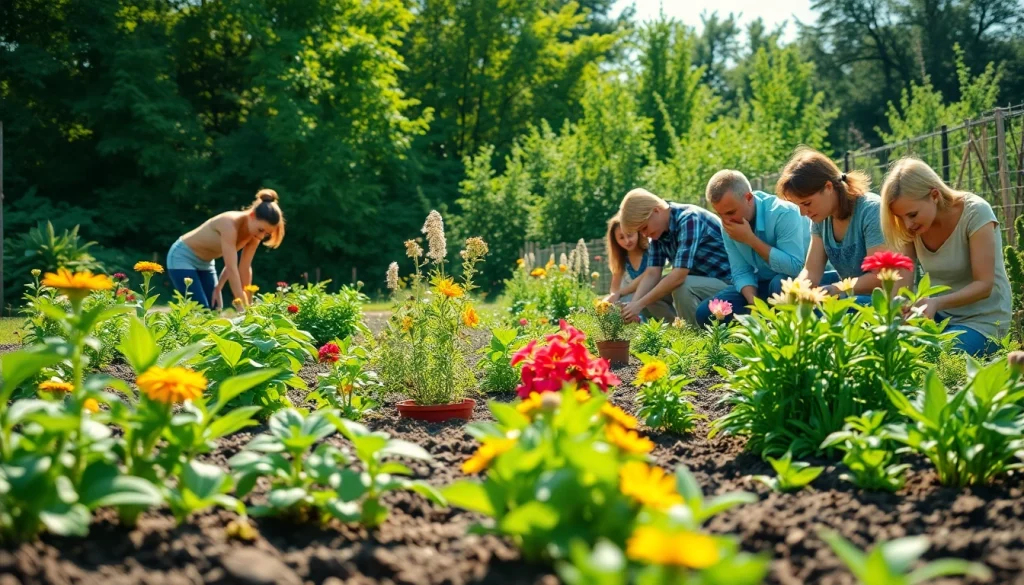
Gardening is an enriching and rewarding endeavor that transcends mere planting; it is a lifestyle choice that brings one closer to nature. At its core, Gardening involves cultivating plants in various environments, from backyards to balconies. This guide will provide valuable insights into the basics of gardening, tools required, best practices, and innovative techniques to optimize your green space.
What is Gardening?
Gardening is the practice of cultivating plants, a process that involves growth, maintenance, and harvesting for aesthetic pleasure or practical purposes such as food production. Different forms of gardening exist, including flower gardening, vegetable gardening, organic gardening, and permaculture. Each of these forms requires specific techniques and considerations but shares the underlying principles of nurturing life and creating harmony within one’s environment.
Benefits of Gardening
Engaging in gardening offers numerous benefits, both physical and mental:
- Physical Health: Gardening is a form of exercise that promotes physical fitness. Activities such as digging, planting, weeding, and watering can improve cardiovascular health and strengthen muscles.
- Mental Well-Being: The act of nurturing plants is therapeutic and can significantly reduce stress. Studies suggest that spending time in green spaces is linked to improved mood and increased happiness.
- Nutritional Value: Growing your own vegetables and herbs ensures access to fresh, chemical-free produce, contributing to a healthier diet.
- Environmental Impact: Gardening can promote biodiversity, improve soil quality, and contribute to local ecosystems by providing habitats for wildlife.
Common Gardening Challenges
While rewarding, gardening is not without its challenges. Common issues include:
- Pest Control: Managing unwanted pests can be daunting, requiring knowledge of effective organic pest management techniques.
- Soil Quality: Poor soil health can hinder plant growth. Understanding how to amend soil and manage nutrients is crucial for success.
- Weather Variability: Fluctuating weather conditions can affect gardening plans and require adaptability and planning to mitigate issues like frost or drought.
- Time Constraints: Gardening requires dedication and time commitment. Balancing gardening with other responsibilities can be challenging for many enthusiasts.
Essential Tools for Gardening
Equipping yourself with the right tools is crucial for effectively engaging in gardening. Beginners and experienced gardeners alike can benefit from a well-stocked toolkit that meets their needs.
Beginner Tool Kit
For those just starting, a basic toolkit should include:
- Hand Trowel: Essential for planting, digging, and transplanting small plants.
- Pruning Shears: Necessary for trimming plants and maintaining their shape.
- Gloves: Protect hands from thorny plants and potential irritants.
- Weeder: Helps in effectively removing weeds without disturbing the surrounding soil.
- Garden Fork: Useful for loosening and aerating soil.
Advanced Tools for Serious Gardeners
As skills develop, gardeners may wish to invest in advanced tools, such as:
- Rotary Hoe: Ideal for breaking up soil and preparing large gardening spaces.
- Garden Cart: Facilitates transport of soil, plants, and gardening supplies.
- Seed Spreader: Efficiently delivers seeds evenly over wide areas.
- Soil Moisture Meter: Helps monitor moisture level, preventing over or under-watering.
- Compost Bin: For those interested in sustainability, a compost bin is perfect for creating nutrient-rich soil from kitchen scraps and garden waste.
Tool Maintenance Tips
Regular maintenance of gardening tools prolongs their lifespan and ensures optimal performance. Consider the following:
- Clean After Use: Remove dirt and plant residues to prevent rust and decay.
- Sharpen Blades: Sharp blades cut better and prevent damaging plants.
- Store Properly: Store tools in a dry area and hang them to prevent damage.
- Oil Metal Parts: Applying oil to metal parts can prevent rust and corrosion.
Choosing the Right Plants for Your Garden
Selecting the proper plants is vital for ensuring a successful garden. Factors such as climate, soil type, and personal preference play essential roles in plant selection.
Understanding Plant Hardiness Zones
Plant hardiness zones classify regions based on temperature extremes, helping gardeners choose suitable plants that can thrive in their local conditions. The USDA Plant Hardiness Zone Map divides the United States into 13 zones based on average minimum winter temperatures. Understanding this map can inform choices about which plants will survive winter in your area.
Native vs. Non-native Plants
When selecting plants, consider the merits of native and non-native species:
- Native Plants: These plants are naturally adapted to local environmental conditions and generally require less maintenance, as they are more resilient to local pests and diseases.
- Non-native Plants: While appealing, some non-native plants may require special conditions to thrive or may become invasive, disrupting local ecosystems.
Seasonal Planting for Best Results
Understanding the planting calendar is crucial for optimal growth. Certain plants thrive in specific seasons:
- Spring: Ideal for planting annuals, perennials, and vegetables like tomatoes and peppers.
- Summer: Focus on maintaining existing plants and consider planting quick-growing crops.
- Fall: A great time for planting bulbs and perennials, as well as preparing soil for the next growing season.
- Winter: While gardening may slow down, it’s an excellent time for planning and organizing future planting strategies.
Soil Preparation and Health
Healthy soil is the foundation of a thriving garden. Preparing soil effectively enhances fertility and promotes robust plant growth.
Testing Soil Quality
Before planting, conduct a soil test to determine its pH level, nutrient content, and type. Home testing kits are available to assess soil quality, or samples can be sent to local agricultural extensions for detailed analysis. By understanding soil quality, gardeners can amend it appropriately to meet plant needs.
DIY Composting Techniques
Composting converts kitchen scraps and yard waste into nutrient-rich organic matter. Here are some straightforward composting techniques:
- Bin Composting: Utilize a designated bin to contain kitchen scraps, yard waste, and brown materials like leaves. Turn the compost regularly to aerate it.
- Bokashi Composting: A quick method utilizing anaerobic fermentation, turning food waste into compost within weeks.
- Vermicomposting: Employing worms to break down organic matter, producing high-quality compost and enriching soil.
Fertilization: Organic vs. Chemical
Choosing between organic and chemical fertilizers can impact both soil health and plant growth:
- Organic Fertilizers: Derived from natural sources, these options are generally better for long-term soil health, improving microbial activity and structure.
- Chemical Fertilizers: While they often provide immediate boosts to plant growth, they can harm soil health over time and may contribute to nutrient runoff.
Advanced Gardening Techniques
As gardening skills advance, several innovative techniques can enhance efficiency and yield.
Permaculture Principles
Permaculture is an approach that emphasizes sustainability and self-sufficiency by designing agricultural ecosystems. Core principles include:
- Observe and Interact: Before planting, take time to assess the environment, noting sunlight patterns, wind direction, and natural ecosystems.
- Catch and Store Energy: Implement rainwater harvesting and solar energy to create sustainable and eco-friendly practices.
- Integrate Rather Than Segregate: Foster relationships between plants, animals, and the environment to create a balanced ecosystem.
Vertical Gardening Strategies
For space-constrained gardens, vertical gardening provides an excellent solution. Techniques include:
- Wall Planters: Use wall-mounted containers to maximize growing space.
- Trellises: Support climbing plants like beans and cucumbers to help them grow vertically.
- Hanging Baskets: Perfect for decorative flowers or herbs, hanging baskets save ground space and add vertical interest.
Using Technology in Gardening
Technology is revolutionizing gardening by providing tools for efficiency and improved plant care. Innovations include:
- Smart Irrigation Systems: These systems deliver water precisely when needed, minimizing waste and optimizing plant hydration.
- Plant Health Monitoring Apps: Mobile applications help track plant growth, detect diseases through image recognition, and provide care reminders.
- Indoor Gardening Kits: Hydroponic and aeroponic systems allow year-round gardening, even in limited space or poor soil conditions.