
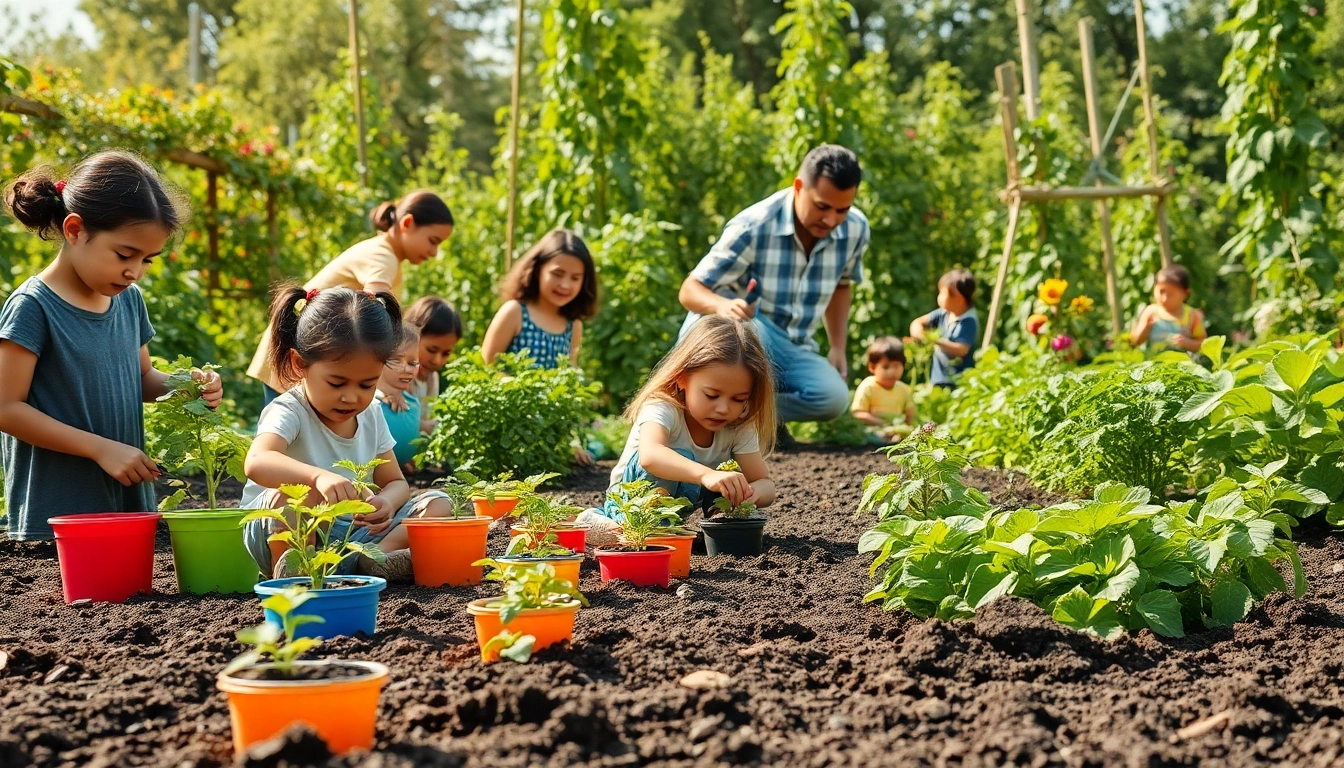
Understanding Gardening Fundamentals
What is Gardening and Its Importance?
Gardening is a harmonious blend of art and science that revolves around the cultivation of plants in a designated area. It encompasses growing a varieties of plants—ranging from vibrant flowers to nutritious vegetables, trailing vines, and aromatic herbs. Beyond sheer aesthetics, gardening plays a critical role in environmental stewardship, contributing to biodiversity and ecological balance.
The importance of gardening extends beyond personal enjoyment. Engaging in gardening facilitates a deeper understanding of plant biology and ecology. It promotes physical activity, improves mental health, and fosters a sense of community. This activity not only nurtures our surroundings but also enhances food security by allowing individuals and families to cultivate their own produce. As we delve into the world of Gardening, we unveil layers of knowledge that can transform our relationship with nature.
Basic Tools Required for Gardening
Every gardener needs a toolkit containing essential instruments that facilitate various tasks. Here are some fundamental tools that every beginner should consider:
- Hand Trowel: Ideal for planting, transplanting, and digging small holes.
- Pruning Shears: Essential for maintaining plant health through regular trimming and shaping.
- Garden Fork: Helps in aerating soil and mixing organic material.
- Watering Can or Hose: Critical for ensuring that plants receive adequate hydration.
- Gloves: Protects hands from thorns, dirt, and potential irritants while working in the garden.
Investing in quality gardening tools not only enhances the gardening experience but also leads to better outcomes in your gardening pursuits.
Types of Gardening: Which One Suits You?
Gardening comes in numerous forms, each catering to different interests, skill levels, and environmental conditions. Here are some popular types of gardening:
- Vegetable Gardening: Focuses on growing nutritious vegetables, which can be planted directly in the ground or in raised beds.
- Flower Gardening: Involves the cultivation of ornamental plants for beauty and scent.
- Herb Gardening: Concentrates on growing herbs for culinary, medicinal, and aromatic purposes.
- Container Gardening: Perfect for those with limited space; this method involves growing plants in pots or other containers.
- Vertical Gardening: A creative way to maximize space by growing plants upward on structures.
Choosing the right type of gardening aligns with personal goals and available space, enabling you to cultivate a rewarding gardening experience.
Starting Your First Garden
Selecting the Right Location for Gardening
The location is pivotal in any gardening endeavor. Consider factors such as sunlight, drainage, and wind exposure when selecting the perfect spot for your garden. Ideally, a location that receives at least six hours of sunlight each day is beneficial for most plants.
Additionally, ensuring that the ground is slightly elevated can aid in drainage. Observe the area during different times of the day to ascertain sunlight patterns, as this influences plant growth significantly.
Preparing Your Soil: The Foundation of Gardening
Soil is the lifeblood of your garden—it supports plant growth by providing essential nutrients and moisture. Preparing your soil involves:
- Testing Soil Quality: Conduct a soil test to determine pH levels and nutrient composition.
- Aerating the Soil: Use a garden fork or tiller to break up compacted soil, which enhances air circulation.
- Adding Organic Matter: Mixing compost and other organic materials into the soil enriches its nutrients and improves structure.
- Maintaining Soil Moisture: Ensure that the soil retains enough moisture while avoiding waterlogging.
Taking these steps lays a strong foundation for successful gardening, leading to healthier plants and a bountiful harvest.
Choosing Your Plants: Annuals vs. Perennials
When starting a garden, selecting the right plants is crucial. Understanding the distinction between annuals and perennials will aid in making informed choices:
- Annuals: These plants complete their life cycle in one growing season. Popular options include marigolds and zinnias. They require replanting each year, offering continuous colors and blooms.
- Perennials: Perennials come back year after year. Examples include lavender and daylilies. They provide stability and require less maintenance over time.
Consider factors such as climate, garden design, and maintenance level when deciding between the two. A well-balanced garden often incorporates both types to create an aesthetic and dynamic landscape.
Common Challenges in Gardening
Dealing with Pests and Diseases in Gardening
Pests and diseases are common challenges that every gardener encounters. Recognizing and mitigating these threats is essential for healthy plants. Here are some strategies:
- Regular Inspection: Frequently check your plants for signs of pest activity or disease symptoms.
- Natural Predators: Introduce beneficial insects such as ladybugs to help control pest populations.
- Integrated Pest Management (IPM): Use a combination of methods including traps, organic pesticides, and cultural practices to manage pests effectively.
Being proactive can prevent small infestations from becoming larger problems, ensuring your garden’s health.
Weather Considerations: Gardening in Different Climates
Understanding your local climate is imperative for gardening success. Different plants thrive under specific weather conditions. Here are considerations based on climate types:
- Temperate Climate: Known for their four seasons; choose hardy perennials and native plants.
- Tropical Climate: Offers warmth and humidity; select heat-loving vegetables and flowering plants.
- Arid Climate: Characterized by low rainfall; drought-resistant plants and efficient irrigation are crucial.
By aligning your gardening efforts with the regional climate, you enhance your plants’ chances of thriving.
Time Management Tips for Successful Gardening
Gardening requires a considerable time investment, but effective time management can streamline the process. Here are key tips:
- Plan Ahead: Create a seasonal gardening calendar to outline planting and maintenance tasks.
- Prep and Group Tasks: Combine similar tasks, such as weeding or watering, to make efficient use of time.
- Delegate Tasks: If possible, involve family members or friends in gardening activities; this makes the work lighter and more enjoyable.
Prioritizing tasks based on urgency and importance will ensure that your garden remains healthy and productive.
Advanced Gardening Techniques
Vertical Gardening: Maximizing Space
Vertical gardening is an ingenious way to make the most of limited space and is particularly useful in urban settings. This technique not only saves ground space but also creates visual height in the garden. Techniques include:
- Wall Gardens: Use vertical structures such as trellises and wall planters to support climbing plants.
- Hanging Pots: Suspend containers with herbs or flowers to utilize overhead space.
- Vertical Planters: Invest in stacked or tiered planters designed for growing multiple plants in a compact area.
This method enhances air circulation and can reduce pest infestations while providing a stunning aesthetic appeal.
Companion Planting: Enhancing Plant Growth
Companion planting involves strategically placing different plants close together to foster beneficial interactions. This technique can improve growth, deter pests, and optimize nutrient absorption. Here are some well-known companion planting pairings:
- Tomatoes and Basil: The aromatic oils in basil can repel pests that threaten tomatoes.
- Carrots and Onions: Planting these together can reduce pest attraction due to their distinct scents.
- Beans and Corn: Beans fix nitrogen in the soil, benefiting corn, which requires ample nitrogen.
Experimenting with companion planting can lead to increased yields and healthier plants while promoting natural pest control.
Organic Gardening Practices to Consider
Organic gardening emphasizes eco-friendly techniques while producing healthy food and beautiful landscapes. Here are organic gardening practices to consider:
- Composting: Create nutrient-rich compost by recycling kitchen scraps and yard waste.
- Natural Pest Control: Use organic pesticides and beneficial insects to manage pests without harming the environment.
- Diverse Planting: Incorporate a variety of plants to promote biodiversity and healthier ecosystems.
Incorporating organic practices nurtures the soil, supports sustainable agriculture, and contributes to a healthier planet.
Evaluating Your Gardening Success
How to Measure Growth and Yield in Gardening
Assessing growth and yield objectively helps in understanding what works best in your garden. Here are methods to measure success:
- Track Growth Rates: Regularly monitor your plants’ growth rates and adjust care accordingly.
- Harvest Yield: Quantify the amount of produce harvested to evaluate overall success and productivity.
- Health Assessments: Note any signs of disease or pest inadequacy regularly.
Implementing a systematic evaluation approach allows you to make informed decisions that enhance gardening results.
Documenting Your Gardening Journey: Tips and Tools
Keeping a record of your gardening experience offers insight and reflections on successes and challenges. Consider the following documentation methods:
- Gardening Journal: Pen down everyday observations, planting dates, and outcomes.
- Photography: Capture images of your garden throughout the seasons to visually track progress and changes.
- Gardening Apps: Utilize technology to log activities, set reminders, and identify plants effectively.
Documenting your journey not only celebrates growth but also serves as a valuable resource for future gardening endeavors.
Community Resources and Support for Gardening
Gardening can be an isolated pursuit, but engaging with community resources can enhance knowledge and support. Here are community avenues worth exploring:
- Local Gardening Clubs: Join organizations where gardeners share tips, arrange meet-ups, and participate in events.
- Workshops and Classes: Attend sessions hosted by local horticultural organizations for hands-on learning.
- Online Forums: Participate in digital gardening communities to share experiences and troubleshoot challenges.
Connecting with like-minded individuals fosters a supportive atmosphere where you can exchange insights and experiences, making gardening more enjoyable.