
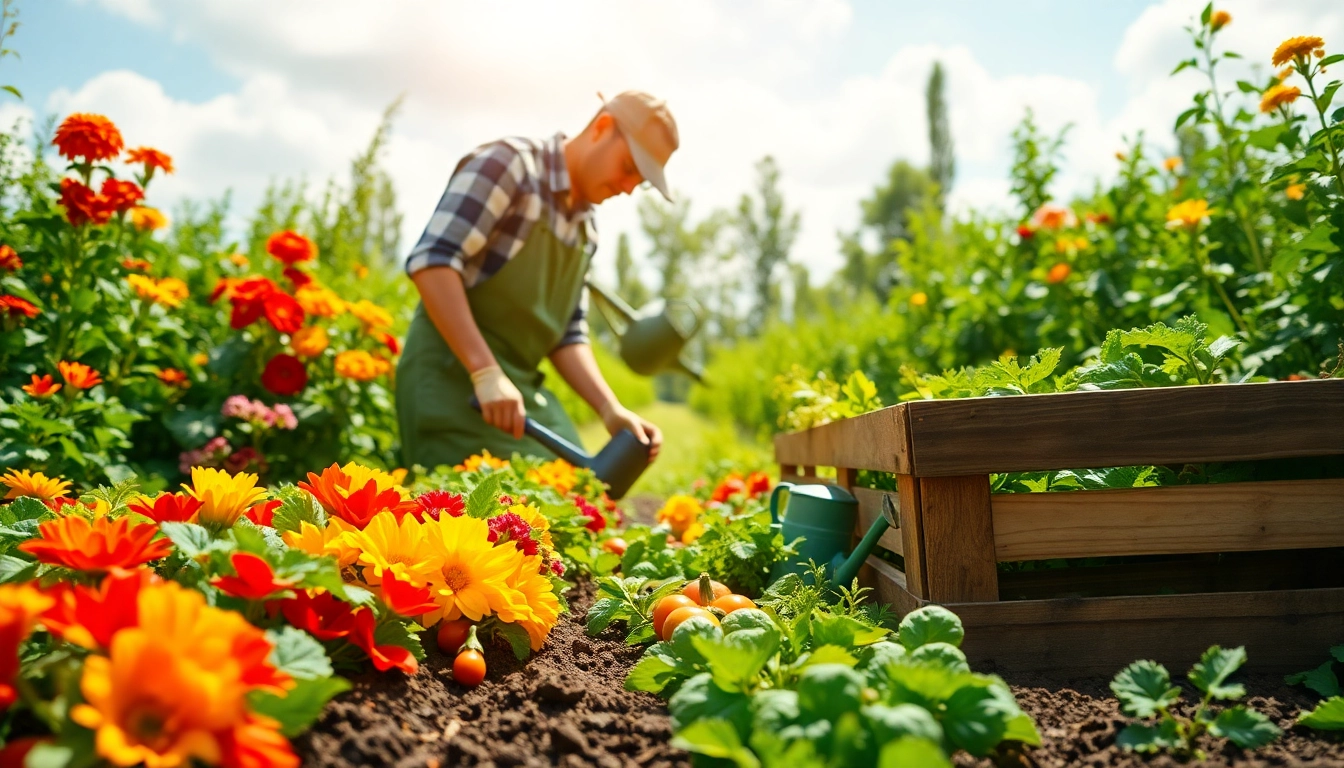
Getting Started with Gardening
Gardening is a fulfilling and enriching hobby that connects you with nature, allows for creativity, and provides the satisfaction of nurturing life. Whether you’re looking to cultivate a vegetable garden for home-cooked meals or create a beautiful sanctuary filled with flowers, you need to start right to ensure lasting success. For those looking to delve into the world of Gardening, understanding the basics is crucial. This article provides comprehensive insights into essential gardening topics, from soil health to innovative techniques, designed to empower both novice and experienced gardeners alike.
Understanding Gardening Basics
At its core, gardening involves cultivating and nurturing plants within a designated area. To successfully grow a garden, it is essential to understand the fundamental aspects of horticulture, including light, moisture, soil nutrients, and climate. Each plant species has specific requirements, and understanding these will enhance your chances of creating a thriving garden.
Common gardening methodologies include traditional row gardening, container gardening, raised bed gardening, and permaculture. Each method has its unique benefits and can be chosen based on space availability, the gardener’s skill level, and the types of plants being cultivated.
Choosing the Right Location for Gardening
The location of your garden is paramount to its success. Factors such as sunlight, wind, and proximity to water sources must be carefully considered. Most plants thrive with 6 to 8 hours of direct sunlight daily. Evaluate your space for sun impact by observing the natural light patterns and noting any potential obstructions such as trees or structures.
Additionally, the area should have access to a water source and should be protected from strong winds. If you’re working with limited space, container gardening can be a flexible option for adapting to various light and environmental conditions.
Essential Tools Every Gardener Needs
To cultivate a successful garden, having the right tools is essential. Here’s a list of must-have gardening tools for both beginners and seasoned gardeners:
- Shovel and Trowel: Essential for digging and transferring soil.
- Rake: Effective for leveling soil and removing debris.
- Pruning Shears: Important for maintaining plant health through trimming.
- Watering Can or Hose: Necessary for providing adequate moisture to your plants.
- Gloves: Protects your hands from dirt and potential injuries.
- Garden Fork: Useful for breaking up soil and aerating garden beds.
Investing in quality tools can make maintenance projects more manageable and enjoyable, reducing strain during work.
The Importance of Soil and Watering in Gardening
Soil quality and proper watering techniques are critical factors f influencing plant growth and vitality. Many novice gardeners underestimate the importance of these elements, leading to common failures.
Testing and Preparing Your Soil for Gardening
The foundation of a successful garden starts with quality soil. Testing your soil for pH levels and nutrient content can help determine its viability for gardening. Home testing kits are widely available, or you can send samples to a local agricultural extension office for analysis.
Once the analysis is complete, amend the soil as necessary using organic matter such as compost, peat moss, or well-rotted manure to enhance nutrient content and improve structure. Depending on the soil type, you may need to add sand for drainage or clay for a more cohesive mixture.
Effective Watering Techniques for Optimal Growth
Plants require consistent moisture, but overwatering can be detrimental. Understanding the watering requirements for specific plants is vital. The best time to water is during the early morning hours or late afternoon when temperatures are cooler to minimize evaporation.
Drip irrigation or soaker hoses are efficient methods that deliver water directly to the soil base, promoting deeper roots while conserving water. Observing the plants regularly will help you adjust watering schedules based on climatic conditions and season changes.
Understanding Drainage and Its Role in Gardening
Good drainage is essential for healthy plants as it prevents waterlogging, which can lead to root rot. Assessing the drainage capabilities of your soil is crucial during the initial planting phase. If your garden area tends to pool water, consider building raised beds or incorporating drainage solutions like gravel or perforated pipes to encourage a healthy balance of moisture.
Plant Selection and Care in Gardening
Choosing the right plants is a rewarding phase of gardening, as it sets the stage for your garden’s success. The vast variety of plants can be overwhelming, but understanding your zone and growing conditions can guide your selections.
Choosing the Right Plants for Your Garden
When selecting plants, consider factors such as sunlight, mature size, and watering needs. Native plants are often a great choice as they are adapted to local climate conditions and resistant to pests. If you are planting fruits and vegetables, research the varieties that perform well in your area to increase yield and minimize challenges.
Plan your layout carefully to ensure taller plants do not shade shorter ones, and group plants with similar water and sunlight needs together for easier maintenance.
Best Practices for Plant Maintenance in Gardening
Once your plants are in the ground, regular maintenance is necessary to keep them healthy. This includes proper watering, mulching to retain moisture, and timely pruning to promote vigorous growth. Fertilizing during the growing season with organic or slow-release fertilizers can also support optimal health.
Pay attention to each plant’s signs of distress, such as yellowing leaves, wilting, or abnormal growth patterns, and address these issues promptly.
Identifying and Managing Pests and Diseases
Pest management is a significant aspect of gardening that can affect the overall health of your plants. Regularly inspect your plants for signs of infestations, such as discolored leaves or visible bugs. Learning to identify beneficial insects, such as ladybugs and lacewings, can also help you maintain a healthy ecosystem in your garden.
Natural remedies like neem oil or insecticidal soap can be effective against many common pests without harming beneficial species. This gentle approach to pest management is an essential part of organic gardening.
Innovative Gardening Techniques
As gardening evolves, many innovative techniques have emerged, offering unique solutions to common challenges faced by modern gardeners.
Exploring Vertical Gardening and Container Gardening
For those with limited space, vertical gardening and container gardening are creative solutions allowing for diverse planting arrangements. Vertical gardens utilize upward space, making them ideal for small balconies or urban settings, while container gardens enable cultivation in spaces where soil conditions may be unsuitable.
By selecting appropriate containers, such as pots with good drainage and adequate size for root growth, you can create stunning displays of flowers, herbs, and vegetables even in the tightest spaces.
Permaculture Principles Applied to Gardening
Permaculture promotes sustainable and self-sufficient agricultural practices by designing your garden to mimic natural ecosystems. This approach emphasizes biodiversity and creates a balance that allows both plants and wildlife to thrive. Techniques include planting companion plants, creating mini-climates with shade and sun balance, and implementing crop rotations to enhance soil health.
Adopting permaculture principles can significantly reduce your environmental footprint while increasing the resilience and productivity of your garden.
Embracing Organic Gardening Methods
Organic gardening focuses on enhancing soil health and biodiversity while utilizing natural methods to control pests and diseases. By avoiding synthetic pesticides and fertilizers, you contribute to a more sustainable ecosystem and produce healthier food. Incorporating techniques like composting, crop rotation, and intercropping can greatly improve the vitality of your garden.
Being mindful of the materials you introduce into your gardening practices will lead to more vibrant plants and a rich soil ecosystem.
The Seasonal Gardening Calendar
A successful garden requires seasonal planning, which involves understanding the timing for planting, harvesting, and maintaining various plant species.
Planting and Harvesting Timeline for Gardening
Each plant has specific growing seasons, and knowing when to plant is crucial. Early spring is often the best time to sow seeds for cool-weather crops, while warmer months are suited for heat-loving plants. Use a planting calendar specific to your region to direct your garden activities efficiently.
Harvesting at the correct time enhances flavor and nutrition. Some crops, like tomatoes and peppers, should be harvested regularly to encourage further fruiting.
Maintaining Your Garden Through the Seasons
Seasonal maintenance is vital to ensuring the longevity of your plants. Regular weeding, mulching, and crop rotation help maintain a vibrant garden and discourage pests. Pay attention to seasonal changes in weather patterns that may require adjustments to your watering schedule or plant care routines.
Preparing Your Garden for Winter in Gardening
As seasons change, preparing your garden for winter is essential to protect your plants from frost damage. Main tasks include removing dead plants, applying mulch to insulate roots, and covering sensitive plants with protective materials. Planning for spring by testing soil and adding necessary amendments during the fall can also facilitate a smooth transition into the new growing season.
Successfully navigating the world of gardening entails embracing knowledge, creativity, and continuous learning. By understanding the fundamentals and implementing best practices, you can create a thriving garden that not only beautifies your space but also enriches your life.