Getting Started with Gardening
Gardening is a rewarding endeavor that goes beyond simply planting seeds and watching them grow. It is an art and science that requires understanding, planning, and ongoing care. Whether you are a novice or looking to enhance your existing gardening skills, this comprehensive guide aims to provide essential information and insights to make your Gardening journey successful. From the basics of soil management to advanced techniques and trends, each section will equip you with practical knowledge and actionable steps.
Understanding the Basics of Gardening
At its core, gardening is the process of cultivating plants for beauty, food, or utility. Understanding basic concepts—such as plant biology, gardening zones, and climate—is essential. Each plant has unique requirements in terms of sunlight, water, and nutrients. Knowledge of these elements can significantly impact plant growth and your overall gardening success. For starters, familiarize yourself with the concept of hardiness zones, which inform you about the types of plants that can thrive in your area based on climate conditions.
Selecting the Right Location for Your Garden
Choosing the right location is crucial for any garden. Most plants require at least 6–8 hours of direct sunlight per day. Observe the sun’s path across your yard throughout the day to identify areas that receive optimal sunlight. Additionally, consider the accessibility of the garden area for upkeep, accessibility to water sources, and proximity to your home for convenience. Remote locations may not only deter you from frequent care but also impact the plants’ growth due to neglect.
Tools and Supplies You Need for Gardening
Investing in quality gardening tools will make the process more enjoyable and efficient. At a minimum, you will need:
- Hand tools: Trowel, pruners, and weeder.
- Gloves: Protective gloves to shield your hands from thorns and dirt.
- Watering equipment: Hose, watering can, or irrigation system.
- Knives and shears: For pruning and edging.
- Soil test kit: To analyze soil pH and nutrient levels.
With the right tools, maintaining your garden can transform from a chore to a cherished hobby.
Soil and Fertility Management in Gardening
Importance of Soil Quality in Gardening
The foundation of a healthy garden starts with quality soil. Soil quality directly influences plant health by determining the availability of nutrients, water management, and root development. Healthy soil is rich in organic matter, well-aerated, and loaded with beneficial microorganisms. When assessing soil health, consider factors like texture, drainage, and composition—sandy, clay, and loamy soils each have unique advantages and challenges.
How to Test and Improve Soil Fertility
Testing your soil is a critical first step. You can use at-home soil test kits or send a sample to a local agricultural extension service for analysis. Once you understand the nutrient levels, you can amend the soil with organic compost, manure, or other fertilizers to enhance fertility. Additionally, regularly rotating crops and incorporating cover crops during the off-season can help maintain fertility levels and prevent soil degradation.
Using Organic Fertilizers for Healthy Plants
Organic fertilizers promote healthy plant growth while enriching the soil ecosystem. Unlike synthetic fertilizers, organic options release nutrients slowly and improve soil structure. Examples of organic fertilizers include compost, bone meal, and fish emulsion. Understanding the NPK ratio (Nitrogen, Phosphorous, Potassium) of these alternatives helps you choose the right product for your garden’s specific needs.
Choosing Plants for Your Garden
Deciding between Flowers and Vegetables in Gardening
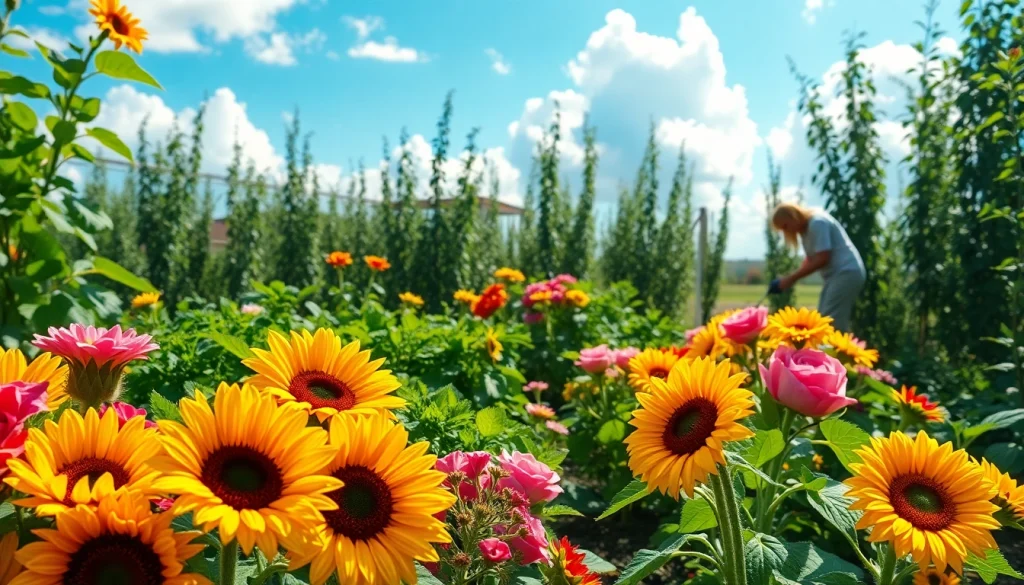
The choice between flowers and vegetables often depends on your gardening goals. Flowers enhance beauty and attract pollinators, while vegetables provide nutrition. To maintain a functional garden, consider a mix of both, which can lead to a diverse and sustainable ecosystem. Additionally, incorporating edible flowers can blend aesthetics with utility, offering both visual appeal and culinary benefits.
Best Practices for Planting Seeds and Seedlings
When planting seeds or seedlings, timing is essential. Follow seasonal planting charts for your area to ensure you start at the right time. Seed depth varies based on plant type, so always refer to seed packets for specific instructions. Using seed trays for seedlings can enable you to start multiple plants indoors before transplanting them outdoors. Be mindful of spacing to allow for healthy growth and air circulation.
Understanding Seasonal Planting Strategies
Different plants thrive in different seasons. Cool-season crops like spinach and peas are best planted in early spring or fall, while warm-season crops like tomatoes and peppers are suitable for late spring after the last frost. Succession planting—where crops are planted in intervals—can also maximize yields throughout the growing season, allowing for continuous harvests.
Garden Maintenance Techniques
The Role of Watering and Irrigation in Gardening
Watering is a vital part of garden maintenance. Most plants need around an inch of water per week, either from rainfall or supplemental watering. Early morning is the best time to water to reduce evaporation and fungal diseases. Using drip irrigation systems or soaker hoses can offer efficient water management, directly delivering moisture to the plant roots while minimizing water waste.
Pest Control Strategies for Organic Gardening
Managing pests organically involves understanding the balance of your garden ecosystem. Beneficial insects, such as ladybugs and lacewings, can help control pests naturally. Consider plant companions that repel harmful insects or attract helpful pests. Additionally, implementing barriers like row covers and handpicking pests can be effective ways to prevent infestations without resorting to chemical pesticides.
Tips for Pruning and Harvesting Your Plants
Pruning is essential for promoting healthy growth and fruit production. Remove dead or diseased branches to enhance air circulation and plant health. Ensure you use sharp, clean tools to make precise cuts that minimize damage. When it comes to harvesting, know the signs of ripeness for each crop, as harvesting at the right time ensures peak flavor and nutritional value.
Advanced Techniques and Trends in Gardening
Implementing Companion Planting for Better Yields
Companion planting is the practice of growing different plants together for mutual benefits. Certain combinations can improve nutrient intake, repel pests, and enhance pollination. For example, planting basil near tomatoes not only enhances the flavor but also naturally deters pests like aphids. Experimenting with companion planting can lead to healthier plants and higher yields.
Exploring Vertical Gardening Solutions
Vertical gardening provides an innovative solution for space-limited gardeners. Utilizing vertical structures like trellises, shelves, or hanging pots allows for enhanced light exposure and airflow, maximizing limited ground space. This method is particularly effective for plants like beans, cucumbers, and strawberries. Vertical gardening not only increases yield but also adds visual interest to garden design.
Understanding Sustainable Practices in Gardening
Adopting sustainable gardening practices ensures long-term health for both your garden and the environment. Techniques such as using native plants, conserving water, reducing chemical use, and practicing organic gardening help preserve biodiversity and minimize ecological impact. Creating a compost pile reduces waste and provides rich nutrients, while rain barrels can help collect water for irrigation, illustrating the essence of sustainable practices.