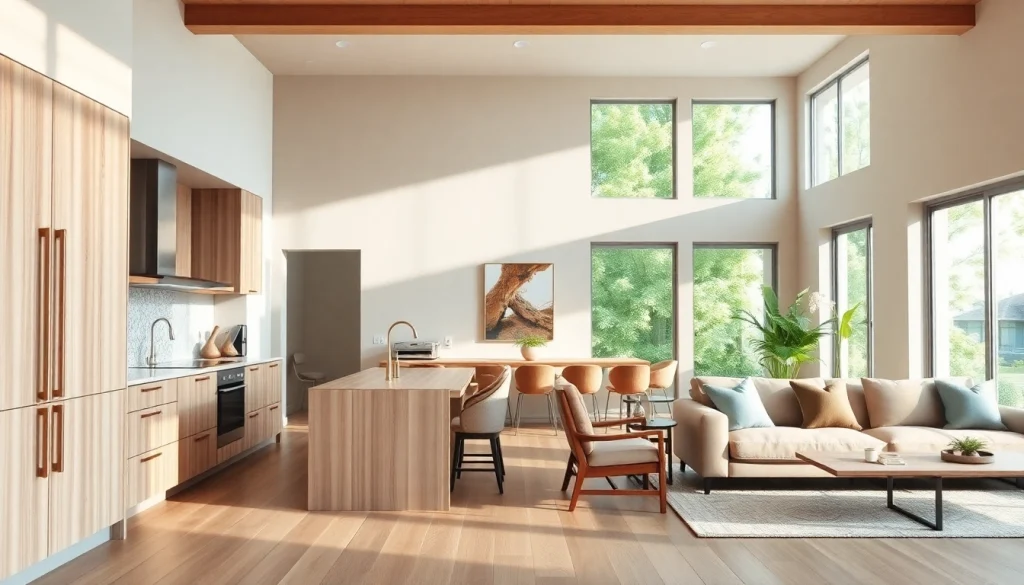
Understanding the Basics of Home Renovation
Defining Home Renovation and Its Importance
Home renovation refers to the process of improving, altering, or restoring a residential space to enhance its functionality, aesthetics, and value. This can range from simple upgrades, such as painting walls or replacing fixtures, to more extensive projects like remodeling entire rooms or adding new structures. Renovations offer numerous benefits, including increased home value, improved energy efficiency, and enhanced living comfort. In today’s market, where homeowners seek personalized spaces, understanding the nuances of Home renovation is essential for making informed decisions.
Common Types of Home Renovation Projects
Home renovation projects can be categorized into several types, each fulfilling different needs:
- Kitchens: Updating appliances, cabinetry, countertops, and flooring.
- Bathrooms: Bathroom remodels often include new fixtures, tiles, and layouts to improve functionality and aesthetics.
- Living Spaces: Renovating living rooms or family areas can involve new flooring, layout changes, and upgraded lighting.
- Outdoor Spaces: Enhancements may include patio additions, landscaping improvements, and deck installations.
- Whole-home Renovations: This encompasses extensive remodeling projects that affect multiple rooms or even the entire house.
Key Factors to Consider Before Renovating
Before embarking on a renovation project, several key considerations need to be addressed:
- Budget: Establish a realistic financial plan that accounts for all potential costs, including materials, labor, and unforeseen expenses.
- Timeline: Define a practical timeline for project completion while accommodating potential delays.
- Design Compatibility: Ensure that the intended design aligns with the existing architecture and style of the home.
- Permitting and Regulations: Research local building codes, necessary permits, and any restrictions that may apply to your renovation.
Planning Your Home Renovation Project
Setting a Realistic Budget for Home Renovation
Creating a comprehensive budget is one of the most critical steps in the home renovation process. To set a realistic budget:
- Assess your financial situation and determine how much you can afford to invest.
- Research the costs associated with specific renovations in your area, including material and labor rates.
- Allocate funds for unexpected expenses, generally about 10-20% of your total budget.
- Consider obtaining quotes from multiple contractors to compare pricing and services offered.
Creating a Timeline for Your Renovation
A well-structured timeline is essential for keeping your renovation on track. Here are steps to establish an efficient timeline:
- Define the scope of your project and break it down into tasks.
- Establish deadlines for each phase, from initial planning through project completion.
- Communicate your timeline with contractors and anyone else involved in the project.
- Remain flexible and be prepared to adjust the timeline as necessary due to weather or supply chain issues.
Choosing the Right Design Style for Your Home
Selecting a design style that resonates with both your personal taste and the existing character of your home is paramount. Consider the following:
- Research popular design styles such as modern, traditional, farmhouse, or minimalist.
- Gather inspiration from magazines, online platforms, and home improvement shows.
- Consider how your chosen design will integrate with the layout and existing features of your home.
- Consult with designers or architects for expert advice and innovative ideas.
Selecting Contractors and Professionals
How to Find Qualified Home Renovation Experts
Selecting the right professionals is crucial to the success of your renovation project. Begin by:
- Asking for recommendations from friends and family who have completed similar renovations.
- Searching online directories and review platforms to find licensed contractors in your area.
- Conducting interviews with potential contractors to assess their experience and methodology.
- Requesting references and reviewing previous work portfolios to gauge quality.
Important Questions to Ask Potential Contractors
During the selection process, ask the following questions to ensure you choose a capable contractor:
- What is your experience with similar renovation projects?
- Can you provide a detailed estimate and timeline for the project?
- Are you licensed and insured?
- How do you manage unexpected changes or challenges during the renovation process?
Understanding Contracts and Agreements
Contracts are vital for protecting both parties involved in a renovation. Ensure you understand the following aspects:
- The scope of work, including detailed descriptions of tasks and materials to be used.
- Payment terms, including deposits, progress payments, and final payments.
- Permits and responsibilities for securing necessary approvals.
- A schedule outlining project milestones and completion dates.
Executing Your Home Renovation
Steps to Follow During the Renovation Process
Executing a home renovation involves several steps to ensure a smooth process. Consider these phases:
- Preparation – Clear the space and prepare for construction, ensuring safety protocols are in place.
- Demolition or Deconstruction – Carefully remove existing fixtures and finishes in a way that minimizes waste.
- Construction – Follow the renovation plan closely, coordinating with all professionals involved.
- Inspection – Regularly inspect the work to ensure it meets quality standards and adheres to local codes.
Managing Unexpected Challenges in Home Renovation
Unexpected issues such as structural damage or supply delays can arise during renovation projects. To manage these challenges:
- Maintain open communication with your contractor to address issues as they arise.
- Stay flexible in your plans and expectations to adapt to changes.
- Consider contingency plans to keep the project moving forward despite setbacks.
Maintaining Quality Throughout the Renovation
Quality should remain a top priority during every stage of renovation. Ensure high standards by:
- Regularly asking for updates and photos from contractors to monitor progress.
- Performing thorough checks before approving any completed work for payment.
- Using high-quality materials and craftsmanship, even if it means revising the budget.
Evaluating the Success of Your Home Renovation
Post-Renovation Checklist for Homeowners
Once the renovation is complete, conduct a thorough evaluation with a checklist to ensure everything meets your expectations:
- Inspect all completed work against your original plans and specifications.
- Check that all systems (plumbing, electrical, HVAC) function correctly.
- Ensure that any cosmetic updates meet your taste and quality standards.
- Request any necessary documentation, warranties, and guarantees from your contractors.
How to Assess the Value Added from Your Renovation
Post-renovation, it’s essential to assess the added value to your home. To do so, consider:
- Consulting with a real estate professional for a market analysis of your improved property.
- Reviewing comparable property sales in your area to gauge how similar renovations have impacted value.
- Analyzing your original investment versus the potential return on investment (ROI).
Long-term Maintenance Tips After Home Renovation
Once you have completed a renovation, maintaining the quality and integrity of your improvements is crucial. Consider these long-term maintenance tips:
- Set a routine for cleaning and upkeep, especially in high-traffic areas.
- Schedule periodic inspections of areas like roofing, plumbing, and electrical systems to prevent future issues.
- Keep records of maintenance and repairs to track the overall health of your home.