
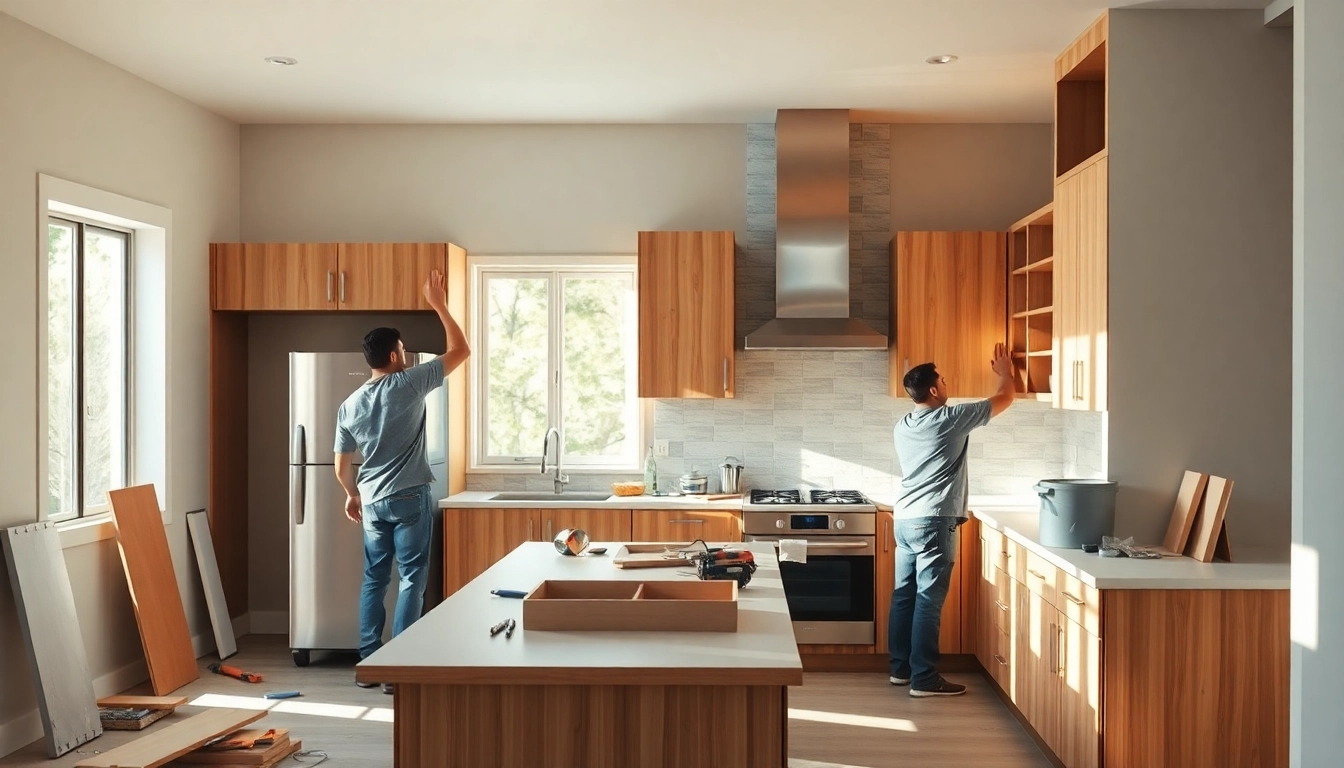
Understanding the Basics of Home Renovation
What is Home Renovation?
Home renovation refers to the process of improving, updating, or reconstructing parts of a residential property. Unlike new construction, which involves building from the ground up, home renovation encompasses smaller-scale projects, ranging from simple upgrades to extensive remodeling efforts. Typically, this can include upgrading rooms, altering layouts, enhancing the exterior, and even structural changes. The central motive behind a renovation is to improve functionality or aesthetics, possibly increasing the property’s value.
Common Reasons for Home Renovation
There are myriad reasons homeowners embark on Home renovation projects. Some of these include:
- Increasing Property Value: Home renovations can significantly boost a home’s market appeal and value, especially in competitive real estate markets.
- Enhancing Comfort and Functionality: Often, homes may not adequately meet a family’s evolving needs due to changing lifestyles, necessitating renovations that improve usability.
- Addressing Wear and Tear: As homes age, elements may deteriorate, requiring updates or repairs to ensure safety and livability.
- Energy Efficiency Improvements: Upgrading insulation, windows, and appliances can help reduce energy consumption and costs.
- Aesthetic Upgrades: Simply refreshing a home’s appearance—like paint jobs, flooring, or fixtures—can breathe new life into a space.
Key Benefits of Completing a Home Renovation
Completing a home renovation project comes with several considerable benefits:
- Increased Property Value: Well-selected renovations can return significant investment upon resale, making improvements financially rewarding.
- Personalization: Renovations allow homeowners to express their style, reflecting personal tastes and preferences.
- Modernization: Updating outdated spaces with current trends offers both functional and stylistic improvements, catering to today’s standards.
- Enhanced Safety: By addressing structural issues or outdated systems, renovations can improve the safety of a home.
- Improved Quality of Life: Renovating can significantly enhance home enjoyment, providing more comfortable and efficient living spaces.
Planning Your Home Renovation
Setting a Realistic Budget for Home Renovation
The first step in planning a successful home renovation is setting a realistic budget. This should encompass all aspects of the project, including materials, labor, permits, and unexpected costs (often referred to as a contingency fund). A good rule of thumb is to allocate 10-20% of the total project cost for unforeseen expenses. Researching pricing for materials and labor in your area can provide initial parameters for budgeting. Additionally, maintaining flexibility can accommodate adjustments throughout the project life cycle.
Timeline Considerations for Home Renovation Projects
Establishing a timeline is crucial for both project management and homeowner expectation. The timeline can vary significantly based on project scale. Smaller renovations may take a few weeks, while more extensive projects could span several months. Key considerations for timeline planning include:
- Obtaining permits: Necessary for most major renovations, permits can add time to the overall project.
- Weather conditions: Especially for outdoor renovations, weather can unpredictably impact schedules.
- Material availability: Depending on sourcing and delivery times, certain materials may delay project completion.
- Skilled labor availability: Depending on the season or local demand, finding skilled contractors or laborers can take longer than anticipated.
Choosing the Right Professionals for Your Home Renovation
Selecting the right professionals is a pivotal decision when undertaking a home renovation. Depending on the complexity of the project, you may need architects, designers, or contractors. Here are essential tips for choosing the right individuals:
- Check Credentials and Reviews: Ensure potential contractors have the necessary licenses and positive reviews to carry out the desired work.
- Seek Recommendations: Recommendations from friends and family can provide insights into reliable professionals.
- Evaluate Portfolios: Reviewing past work can help assess a professional’s style and quality.
- Get Estimates: Always obtain multiple estimates to compare prices and scope of work.
Design Considerations for Home Renovation
Choosing Styles and Themes for Home Renovation
Design choices in home renovation play a crucial role in the final results. Selecting styles and themes requires a blend of personal preferences, functionality, and current trends. Here are a few popular styles:
- Modern: Characterized by clean lines, minimalism, and a functional approach.
- Traditional: Offers classic characteristics with ornate details and a warm, inviting feel.
- Industrial: Highlights materials like exposed brick and ductwork for a raw, urban aesthetic.
- Scandinavian: Focuses on simplicity, functionality, and natural elements with a cozy vibe.
Identify a style that resonates with your personality and fits cohesively with the overall structure of your home.
Materials and Fixtures for Your Home Renovation
The choice of materials and fixtures greatly impacts both the aesthetic and functionality of each renovated space. Consider these aspects when selecting materials:
- Quality vs. Cost: Prioritize durable materials that balance aesthetics and budget.
- Sustainability: Eco-friendly materials (like reclaimed wood or low-VOC paints) can appeal to environmentally-conscious homeowners.
- Maintenance: Ensure chosen materials are easy to maintain, especially in frequently used areas like kitchens and bathrooms.
- Compatibility: Ensure materials align with the existing design each space to maintain a consistent look.
Integrating Modern Technology into Home Renovation
As technology evolves, integrating modern technical features into home renovations enhances convenience and efficiency. Consider these tech upgrades:
- Smart Home Integration: Install devices such as thermostats, lighting, and security systems that can be controlled remotely via apps.
- Energy-Efficient Appliances: Upgrade to appliances that consume less energy and can be programmed for optimal performance.
- Home Networking Solutions: Set up a robust network structure to support multiple devices across the home.
- Automated Systems: Consider integrating systems that monitor energy use or automate home security.
Executing Your Home Renovation
Step-by-Step Guide to Starting Your Home Renovation
Executing a home renovation covers several steps to ensure a smooth process:
- Planning: Define your scope, budget, and timeline, and create a detailed project plan.
- Obtaining Permits: Acquire any necessary licenses from local authorities before beginning work.
- Hiring Professionals: Engage contractors, designers, or specialists to carry out designated tasks.
- Procurement: Order materials and fixtures in advance to avoid project delays.
- Demolition: Safely remove existing structures or features that are being replaced or altered.
- Construction: Begin the build-out according to the established plan, adhering to timelines and quality standards.
- Finalization and Cleanup: Once the construction is complete, undertake a thorough cleaning and final inspections.
Common Challenges During Home Renovation
Home renovations often come with challenges that test both skill and patience:
- Budget Overruns: Unexpected expenses can arise; maintain a flexible budget to accommodate these changes.
- Timing Delays: Weather, permit processes, or contractor schedules can delay projects; regularly communicate with involved parties to stay informed.
- Design Errors: Miscommunication about design choices can occur; utilize visual aids to clarify specifications and confirm understanding.
- Quality Control Issues: Regularly monitor the quality of work performed to ensure adherence to standards and rectify issues promptly.
Maintaining Quality Control Throughout Home Renovation
Quality control is paramount during renovations. Following specific practices can help maintain high standards:
- Regular Inspections: Schedule consistent walkthroughs to assess progress and quality.
- Clear Communication: Ensure open channels of communication with all trades involved to facilitate quick problem identification and resolution.
- Documentation: Keep a detailed log of all changes, inspections, and communications, serving as a record to track progress and address issues.
- Engage Experts: Involve specialists for tasks requiring specific expertise to guarantee quality results.
Evaluating the Outcome of Your Home Renovation
Planning Your Home Renovation Reveal
After completing renovations, planning a reveal can be an exciting way to showcase changes made. Consider hosting a small event for friends and family to share the transformation. Ensure the space is clean, adorned with appealing decor, and communicates the newly renovated aesthetic effectively.
Assessing Value Added by Home Renovation
Evaluating the financial impact of your renovation can provide insight into whether your investments paid off. Consider factors like increased property appraisal values or the reduced time on the market if selling is your objective. Homebuyers often look for modernized features, highlighting the budget spent on renovations.
Long-Term Maintenance Post-Home Renovation
Long-term maintenance is essential to preserving the new look and functionality of your home. Here are a few tips:
- Routine Inspections: Regularly examine renovated areas to identify issues early.
- Schedule Maintenance: Set reminders for seasonal maintenance tasks, such as cleaning gutters or checking HVAC systems.
- Keep Records: Maintain documentation of all warranties, service records, and renovations made for future reference.
- Invest in Quality Repairs: Address damages promptly to prevent them from escalating into more significant issues.