
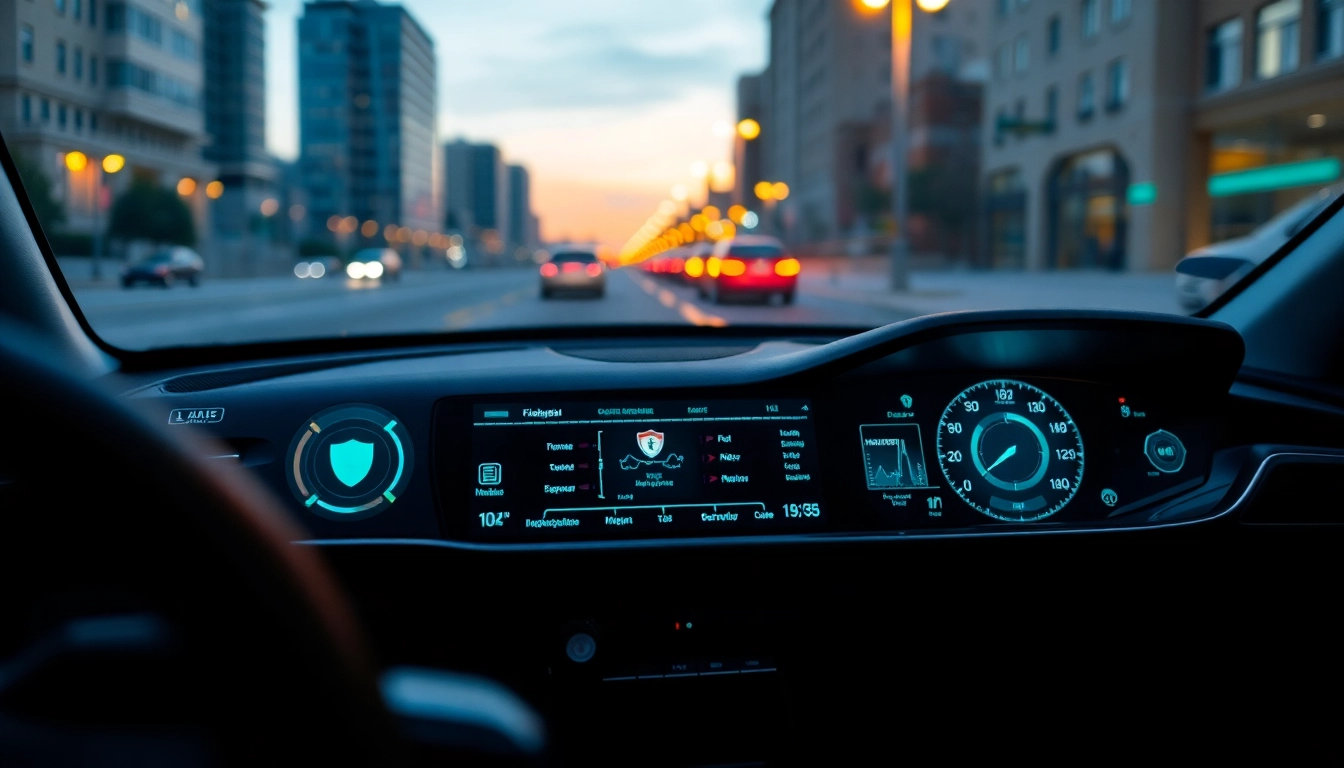
Understanding Automotive Cybersecurity
In today’s technology-driven landscape, the rise of smart vehicles has not only transformed how we drive but also how our vehicles interact with the world around them. As vehicles become increasingly connected through the Internet of Things (IoT), they also become more susceptible to potential cyber threats. Understanding automotive cybersecurity is crucial for manufacturers, car owners, and enthusiasts alike. For further insights into this topic, visit https://car-hack-world.com.
What is Automotive Cybersecurity?
Automotive cybersecurity refers to the practices and technologies employed to protect vehicles from cyber-attacks, unauthorized access, and data breaches. As vehicles integrate advanced technology, including software systems controlling various functions and connectivity features for navigation and entertainment, the importance of robust cybersecurity has skyrocketed. This field encompasses a broad spectrum of concerns, from securing in-car networks to protecting the information exchanged between vehicles and external networks.
Importance of Cybersecurity in Modern Vehicles
The importance of cybersecurity in modern vehicles cannot be overstated. With features like automatic braking, lane-keeping assistance, and autonomous driving functionalities, any compromise in security can lead to severe consequences, including accidents and risks to passengers’ safety. Moreover, as vehicles collect vast amounts of data, including personal information about users, maintaining data integrity is vital to protecting consumers’ privacy.
Common Threats and Vulnerabilities
Several threats and vulnerabilities exist within the automotive cybersecurity landscape. Some of the most common include:
- Remote Hacking: Hackers can exploit vulnerabilities in a vehicle’s Wi-Fi or Bluetooth systems to gain unauthorized access.
- Firmware Attacks: Malicious code can be introduced into a vehicle’s firmware, affecting its operating system and functionalities.
- Social Engineering: Attackers often manipulate users into disclosing sensitive information through deceptive communication.
- Network Vulnerabilities: Weaknesses in the communication channels between the vehicle and infrastructure (like traffic lights and GPS) can be exploited.
Techniques Used in Car Hacking
Types of Car Hacks
Car hacks can be classified into several categories depending on the method of access and the goal of the attack:
- Physical Access Hacks: These involve directly manipulating the vehicle’s electronic systems through physical means, such as using a laptop connected to the OBD-II port.
- Wireless Attacks: Utilizing Wi-Fi, Bluetooth, or even cellular networks, hackers can remotely access vehicle systems.
- Software Exploits: This can involve finding bugs in the vehicle’s software or app used for accessing vehicle features remotely.
- Malicious Apps: Hackers may create counterfeit applications that appear legitimate, tricking users into giving them access to the vehicle.
Real-World Examples of Breaches
Several high-profile breaches highlight the vulnerability of vehicles to cyberattacks:
- Jeep Cherokee Hack: In a notorious demonstration, security researchers remotely took control of a Jeep Cherokee, disabling its brakes and steering while driving on the highway, showcasing the expansive reach of automotive cybersecurity threats.
- Remote Unlocking: Various hackers have successfully exploited vulnerabilities in connected car systems, allowing them to unlock vehicles and access their interiors without authorization.
- Stolen Vehicle Data: Cybercriminals have accessed onboard diagnostic systems to capture sensitive information, such as location tracking and personal identifiers, further emphasizing the need for security measures.
How Hackers Gain Access
Hackers employ a variety of techniques to gain access to vehicles. Some significant methods include:
- Exploiting Connectivity Weaknesses: Vehicles equipped with weakly secured Wi-Fi or Bluetooth can be remotely accessed by hackers.
- Phishing Attacks: Hackers may use social engineering tactics to deceive users into providing login information or other sensitive data.
- Vulnerability Scanning: Automated tools can be used by hackers to scan for software vulnerabilities in the vehicle’s systems.
Protecting Your Vehicle from Cyber Attacks
Best Practices for Car Owners
Car owners play a crucial role in safeguarding their vehicles against cyber threats. Here are some best practices:
- Update Software Regularly: Always ensure that the vehicle’s software is updated to the latest version, as this often includes security enhancements.
- Use Strong Passwords: Change default passwords for any connected services to ensure they are not easily guessable.
- Limit Connectivity: When not in use, disable Wi-Fi, Bluetooth, or any remote access features to minimize exposure to potential attacks.
- Be Cautious with Apps: Only download apps from trusted sources and be wary of any app that requests sensitive permissions.
Technology Solutions for Enhanced Security
A variety of technological solutions can enhance automotive cybersecurity:
- Intrusion Detection Systems (IDS): These systems monitor the vehicle’s network for unusual activity or unauthorized access attempts.
- End-to-End Encryption: Encrypting data communication between the vehicle and cloud infrastructure can significantly mitigate risks.
- Secure On-Board Devices: Implementing hardware security modules can safeguard critical vehicle components and data.
Regular Updates and Maintenance Importance
Regular maintenance of the vehicle’s software and hardware is essential for continued cybersecurity. Manufacturers often release patches to fix known vulnerabilities, and it is crucial for car owners and service centers to implement these updates promptly. Additionally, conducting routine security assessments can help identify potential vulnerabilities before they can be exploited.
The Future of Automotive Cybersecurity
Emerging Technologies in Vehicle Security
The automotive cybersecurity landscape continues to evolve rapidly. Emerging technologies that are shaping its future include:
- Artificial Intelligence: AI can be employed to detect and respond to threats in real-time, allowing for proactive defense mechanisms.
- Blockchain Technology: The decentralized nature of blockchain offers promising applications for secure data sharing, laying a foundation for tamper-proof vehicle logs.
- Biometric Systems: Biometric authentication methods are being developed to replace conventional keys and passwords, providing a higher level of security.
Regulatory Trends and Compliance
As the threats to automotive cybersecurity grow, so does the regulatory landscape. Governments and regulatory bodies are introducing guidelines and standards aimed at enhancing vehicle cybersecurity. Compliance with these regulations not only protects consumers but also minimizes the risk of legal repercussions for manufacturers.
Predictions for Automotive Cybersecurity Landscape
The automotive cybersecurity landscape is likely to become increasingly complex as more vehicles are integrated with advanced technologies. We can expect:
- Increased Collaboration: Between manufacturers and cybersecurity firms to create safer vehicles.
- Greater Consumer Awareness: As incidents of automotive hacking are publicized, consumers will demand better security measures.
- Advanced Threat Mitigation Strategies: Continuous advancement in threat detection and mitigation strategies, adapting to new hacking techniques as they arise.
Resources for Further Learning
Online Courses and Certifications
Those interested in diving deeper into automotive cybersecurity can benefit from various online courses and certification programs. Institutions and platforms provide specialized knowledge about ethical hacking, vehicle systems, and cybersecurity best practices that can be immensely beneficial.
Recommended Reading and Research Papers
Numerous research papers, books, and industry reports delve into various aspects of automotive cybersecurity. Engaging with this material can enhance understanding and provide insights into emerging trends and techniques.
Communities and Forums for Cybersecurity Enthusiasts
Joining online communities and forums dedicated to automotive cybersecurity can provide invaluable networking opportunities. Engaging with other enthusiasts and professionals allows individuals to share knowledge, discover new resources, and keep abreast of industry developments.