
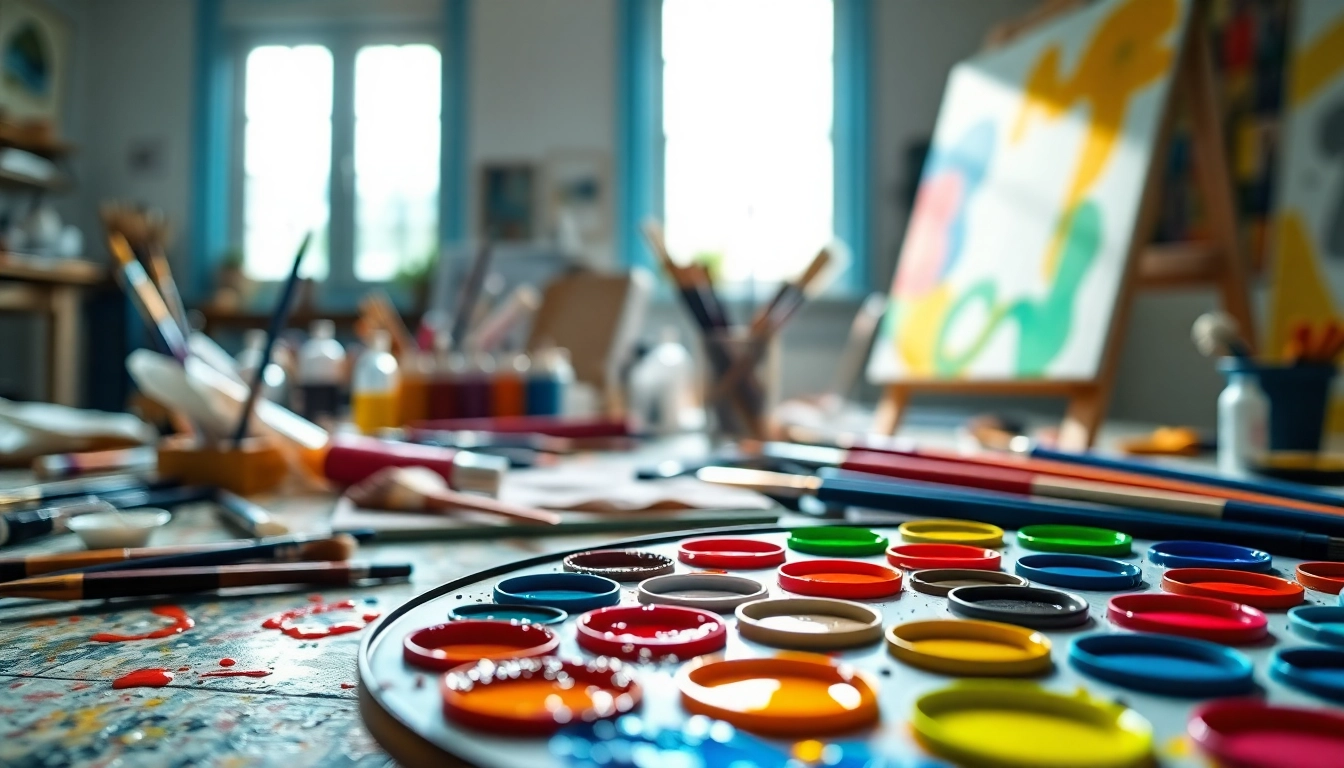
Understanding Acrylic Paint Basics
What is Acrylic Paint?
Acrylic paint is a fast-drying paint made of pigment suspended in a synthetic polymer emulsion. It is water-soluble when wet but becomes water-resistant when dry. This versatility makes it a favorite among artists, crafters, and DIY enthusiasts. Unlike oil paints, acrylics allow for quick work and layering, which opens the door to various artistic styles and techniques.
Key Ingredients of Acrylic Paint
The primary constituents of acrylic paint include pigments, binders, and additives. The pigment provides color, while the binder, usually acrylic polymer, acts as a glue that holds the pigment together and allows it to adhere to the surface. Additives can enhance the paint’s performance characteristics, such as flow, drying time, and gloss.
Benefits of Using Acrylics
Acrylic paints boast numerous benefits that make them appealing for a wide range of artistic endeavors:
- Fast Drying: Acrylics dry quickly, allowing artists to build layers and work without long wait times.
- Versatile Application: They can be used on various surfaces, including canvas, wood, paper, and even fabric.
- Water-Soluble: They are easy to clean up with water when wet, making them beginner-friendly.
- Diverse Finishes: Acrylics can be manipulated to create a range of finishes, from matte to glossy.
Common Challenges with Acrylics
Addressing Stickiness in Acrylic Paints
One common issue artists face with acrylic paints is stickiness. This can result from several factors, including incorrect ratios of water to paint and the use of low-quality products. To combat stickiness:
- Use a proper medium: Consider using acrylic mediums to maintain consistency.
- Avoid over-thinning: Adding too much water can dilute the paint, causing it to become tacky.
- Ensure a stable environment: Humidity and temperature can affect drying times and stickiness.
How to Prevent Discoloration
While acrylics are known for their vibrant colors, they may fade or discolor over time due to exposure to light and air. To preserve their integrity:
- Store properly: Keep paintings in a cool, dark place, away from direct sunlight.
- UV-resistant varnish: Applying a UV-protective varnish can help shield your work from fading.
- Choose high-quality pigments: Investing in professional-grade acrylics ensures better color longevity.
Managing Drying Times Effectively
Understanding drying times is crucial for successful layering and blending. Acrylics typically dry fast, but various factors can affect this:
- Humidity Levels: High humidity can slow drying time, while dry conditions speed it up.
- Paint Thickness: Thicker applications will take longer to dry.
- Use retarders: These additives can slow down the drying process, giving artists more time to work.
Advanced Acrylic Techniques
Layering for Depth and Texture
Layering is an effective technique for adding depth to acrylic paintings. By applying multiple layers of paint, artists can create rich textures and visual complexity. To achieve successful layering:
- Allow layers to dry: Ensure each layer is completely dry before adding the next to prevent peeling.
- Experiment with glazing: Use transparent layers to maintain vibrancy while building depth.
- Try impasto techniques: Apply thick paint directly to the surface for a three-dimensional effect.
Blending Colors Seamlessly
Blending colors in acrylics can be challenging due to their fast drying time. However, several techniques can help achieve smooth transitions:
- Wet-on-wet blending: Apply wet paint onto wet paint to achieve smooth gradients.
- Use a blend medium: Add blending mediums to your colors to extend drying times and improve blendability.
- Soft brushes: Utilize soft, synthetic brushes to help in feathering edges and creating seamless blends.
Using Tools for Unique Effects
Acrylics allow for a wide range of tools to produce unique artistic effects. Experimenting with different tools can yield surprising results:
- Sponges: Use sponges to apply textures and create backgrounds.
- Palette knives: These can be used for scraping and applying thick layers of paint.
- Masking tape: Apply masking tape to create sharp, defined edges when painting.
Care and Maintenance of Acrylic Paints
Proper Storage Solutions
Storing acrylic paints properly extends their shelf life and maintains their quality. Consider these storage solutions:
- Room temperature: Store paints at room temperature to prevent freezing or thickening.
- Seal containers tightly: Ensure that lids are closed properly to avoid drying out.
- Organize by color: Keeping paints organized can help you locate shades easily and encourage usage.
Shelf Life and Expiration Signs
Acrylic paints generally have a shelf life of about 5 to 7 years, but this can vary based on storage conditions. Signs that acrylics may no longer be usable include:
- Separation: If the pigments and binder separate significantly and don’t mix back together, it may be time to discard the paint.
- Bad odor: A rancid or unusual smell can indicate that the paint has spoiled.
- Thick consistency: If the paint has thickened to the point of being unusable, it is likely expired.
Cleaning Brushes and Tools
Caring for your brushes and tools goes a long way in ensuring that they last longer and perform well:
- Immediate rinse: Rinse brushes with water immediately after use to prevent paint from drying on the bristles.
- Use soap: A gentle soap can help remove any remaining paint and maintain brush shape.
- Store correctly: Store brushes upright or laying flat to prevent bristle damage.
Innovative Acrylic Projects
Creative Ideas for Home Decor Using Acrylics
Acrylics can be used creatively in home decor projects. Here are some inspiring ideas:
- Acrylic Pour Paintings: This technique involves pouring different colors of acrylic paint onto a canvas for a beautiful, marbled effect.
- Upcycling Furniture: Refresh old furniture by applying a new coat of colorful acrylic paint.
- Diy Wall Art: Create custom wall art by combining stencils, layering techniques, and vibrant colors.
Customizing Apparel with Acrylic Paints
Acrylic paints are not limited to canvases; they can also be used on fabrics to customize clothing:
- Fabric medium: Using a fabric medium mixed with acrylic paint will ensure the paint adheres to the fabric and remains flexible.
- T-shirts and bags: Personalize T-shirts or tote bags with designs created using stencils or freehand painting.
- Seasonal designs: Create custom apparel for holidays or events, showcasing individual style and creativity.
Inspiring Art Community Projects
Acrylics can play a vital role in community arts projects, encouraging collaboration and creativity:
- Mural creation: Organize a community mural project where local artists can contribute their designs using acrylics.
- Art workshops: Offer workshops for local schools or community centers, teaching acrylic painting techniques.
- Charitable art sales: Collaborate with artists to create pieces that can be sold, with proceeds going to local charities.
For more insights and resources on acrylics, you can explore the comprehensive materials available at https://acrylicpedia.com. Embracing the versatility and creative possibilities of acrylic paints can unleash your artistic potential and transform your projects into vibrant expressions of creativity.