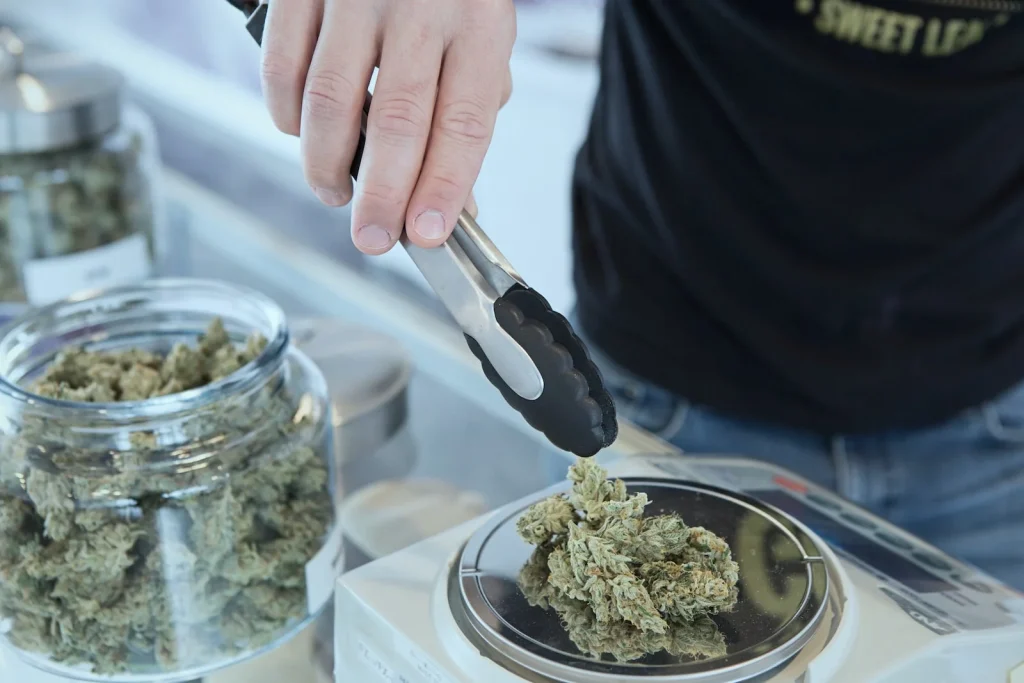
Understanding Cannabis Clubs
Definition and Types of Cannabis Clubs
The term cannabis club often refers to various types of social establishments where members can collectively grow and share cannabis. Primarily seen in countries where cannabis use is decriminalized or legalized, these clubs are distinct from dispensaries. Cannabis clubs can be categorized into several types: social cannabis clubs, medical cannabis clubs, and recreational clubs, each serving different member needs.
Benefits of Joining a Cannabis Club
Joining a cannabis club offers numerous benefits. Firstly, members gain access to a curated selection of cannabis strains that may not be available in commercial dispensaries. Clubs often emphasize organic growing practices, ensuring that the product is of high quality. Additionally, cannabis clubs create a community atmosphere where members can share knowledge, experiences, and partake in educational events about cannabis culture and its responsible use. This supportive community can also help normalize cannabis use, reducing the stigma around it.
Legal Considerations for Cannabis Clubs
The legality of cannabis clubs varies widely by jurisdiction. In areas where cannabis is legal, clubs typically operate as non-profit entities, allowing members to share resources without commercial transactions. Potential club founders should consult local cannabis laws, as some regions impose strict regulations regarding cultivation, distribution, and public consumption of cannabis. Understanding these legal nuances is crucial to establishing and maintaining a compliant cannabis club.
Setting Up a Cannabis Club
Key Requirements for Establishment
Establishing a cannabis club requires careful planning and adherence to legal parameters. Initially, founders must determine membership criteria, including age restrictions and application processes. Additionally, the club’s operational structure should align with non-profit regulations if applicable. Securing permits for cultivation and usage based on local laws is also essential, alongside creating comprehensive bylaws that outline member responsibilities and rights.
Choosing the Right Location for Your Cannabis Club
The location of a cannabis club can significantly impact its success. Factors to consider include accessibility for members, proximity to public transport, and the size of the space for gatherings and growing operations. The club should be situated in a welcoming environment, away from strict surveillance, allowing members to feel comfortable and secure. Areas where cannabis culture is more accepted may provide better opportunities for recruitment and community engagement.
Designing an Inclusive Member Experience
Creating an inclusive environment is key to fostering community within a cannabis club. This can be achieved by incorporating diverse activities that cater to different interests and knowledge levels. Consider organizing educational workshops on cannabis cultivation, consumption, and health benefits. It’s also beneficial to ensure that the club represents various demographics, encouraging diverse membership to enrich discussions and experiences around cannabis.
Regulations Surrounding Cannabis Clubs
Local and State Laws to Consider
Understanding local and state laws is paramount when operating a cannabis club. Each state may have unique regulations governing the cultivation, distribution, and consumption of cannabis. Compliance with zoning laws, health and safety codes, and agricultural regulations is vital to avoid legal complications. Regular consultation with legal experts in cannabis law can provide insights into the evolving regulatory landscape, ensuring that your club remains compliant.
Staying Compliant with Health Regulations
Health regulations regarding cannabis use and cultivation are stringent in many areas. Cannabis clubs must ensure that their growing practices align with health standards, including permissible cultivation methods and pest management practices. Additionally, clubs should maintain cleanliness in communal areas and educate members on safe consumption practices to promote responsible use. Regular audits can help maintain compliance and nurture a safe environment for all members.
Best Practices for Online Presence
Establishing an online presence is important for outreach and engagement. Cannabis clubs should develop a website that clearly outlines membership requirements, club activities, and educational resources about cannabis. Utilizing social media platforms can enhance visibility and attract potential members. Regular engagement through posts, events, and educational content can foster a vibrant online community that complements in-person interactions.
Community Engagement Strategies
Hosting Events and Workshops
Hosting events and workshops can significantly enhance member satisfaction and club visibility. Organizing activities like cooking classes, wellness seminars, or cannabis plant cultivation workshops encourage interaction among members. Additionally, events can attract new members, providing an opportunity to showcase the club’s offerings and knowledge base. Creating a calendar of events can keep members engaged and foster a sense of community.
Building Partnerships with Local Businesses
Collaboration with local businesses can benefit cannabis clubs greatly. Partnering with health food stores, wellness studios, or local artists can provide cross-promotional opportunities. These partnerships can manifest through co-hosted events, discounts for members, or educational sessions. Such alliances enhance the club’s community presence and demonstrate a commitment to fostering positive relationships in the neighborhood.
Utilizing Social Media for Outreach
Social media platforms are invaluable for promoting the activities and values of a cannabis club. Engaging content, such as tutorials, testimonials, and member spotlights, can help build a robust online brand. Consider creating dedicated groups for members to share experiences, advice, and updates. By following best practices for social engagement—such as posting regularly and responding to member inquiries—clubs can foster a loyal following.
Maintaining a Safe Environment
Implementing Safety Protocols
Establishing safety protocols is essential in ensuring the well-being of all members. Clubs should outline clear rules regarding consumption, emphasizing the importance of responsible use. Additionally, set procedures for emergency situations, such as providing first aid kits and ensuring members undergo brief safety training. Regular safety assessments can help identify areas for improvement and keep members informed and secure.
Educating Members on Responsible Use
Education plays a pivotal role in promoting responsible cannabis use. This education can take the form of workshops that cover dosage, effects of different strains, and safe consumption practices. By providing comprehensive resources, members will develop a better understanding of how to enjoy cannabis responsibly, which can enhance their overall experience within the club. Engaging knowledgeable speakers can add value to these sessions.
Creating an Open Channel for Feedback
Creating an open feedback channel encourages members to voice their suggestions and concerns. Regular surveys or suggestion boxes can facilitate this communication. Understanding member experiences can help improve club dynamics and services. It’s crucial that members feel heard and valued, as this can significantly enhance retention rates and community satisfaction.
FAQs
Are cannabis clubs legal?
Legality varies by location; check local laws as some regions allow private cannabis clubs while others do not. Compliance with local regulations is essential.
What is the difference between cannabis clubs and dispensaries?
Cannabis clubs operate on a non-profit basis and require membership, whereas dispensaries sell cannabis products to the general public for profit.
How can I join a cannabis club?
To join a cannabis club, you typically must apply for membership and follow the club’s guidelines, which may include attending an orientation session.
What types of activities occur in cannabis clubs?
Cannabis clubs often host educational workshops, social events, tastings, and discussions about cannabis culture to enrich member experiences.
Can minors enter cannabis clubs?
Most cannabis clubs restrict access to adult members only, and minors are generally not allowed on the premises to ensure compliance with legal age limits.