
What is Iron Ore?
Definition and Composition of Iron Ore
Iron ore refers to a range of naturally occurring minerals from which metallic iron (Fe) can be extracted. It primarily consists of iron oxides, which include hematite (Fe2O3), magnetite (Fe3O4), and limonite (FeO(OH)∙nH2O), among others. These ores usually contain a significant amount of iron, with varying percentages across different types. The extraction of iron from these ores is essential for several manufacturing processes, especially steel production, making iron ore one of the most important minerals in our economy.
Types of Iron Ore Deposits
Iron ore deposits can be categorized into four main types based on their geological formation:
- Magnetite: This type contains a higher iron content (up to 70%) and is often found in dense, compact forms.
- Hematite: Hematite is the most commonly mined iron ore, containing about 50-60% iron. It’s typically found in sedimentary deposits.
- Limonite: This is a mixed iron oxide that generally includes lower-grade iron content and higher water content.
- Siderite: Composed mostly of iron carbonate, it contains a lower percentage of iron and needs extensive processing.
Global Distribution of Iron Ore
Iron ore is found globally, with significant deposits located in several countries. The leading producers include Australia, Brazil, and China, which together account for a significant percentage of the world’s iron ore supply. Australia boasts the largest reserves, while Brazil ranks second. These nations benefit from vast mineral resources and the presence of established mining industries, which ensures a steady supply to feed the global demand.
Importance of Iron Ore in Industry
Role of Iron Ore in Steel Production
Iron ore is primarily used in the production of steel, an essential material in construction, transportation, and manufacturing. Approximately 98% of mined iron ore is converted into steel. The steel-making process involves extracting iron from iron ore through a series of reduction processes, often utilizing coke and limestone in a blast furnace. This transformation is critical for producing various steel grades used in structural applications, automobiles, machinery, and consumer products.
Other Industrial Applications
Apart from steel production, iron ore derivatives find applications in other industries. These include:
- Cement manufacturing: Iron ore is used as an additive to enhance the color, texture, and overall quality of cement.
- In the production of pigments: Iron oxide pigments have applications in paints, coatings, and plastics due to their rich colors and stability.
- Water treatment: Iron salts derived from iron ore play a significant role in the purification of water systems.
Environmental Considerations
The extraction and processing of iron ore come with environmental implications, including deforestation, habitat destruction, and pollution. Mining activities can lead to soil erosion and water contamination. However, many companies are adopting sustainable mining practices, focusing on minimizing their ecological footprint, restoring mined land, and investing in cleaner technologies to reduce emissions during steel production.
Current Market Trends for Iron Ore
Price Fluctuations and Factors Influencing Prices
The price of iron ore is influenced by numerous factors, including supply and demand dynamics, economic conditions, and geopolitical events. Recent years have seen significant price fluctuations, driven by changes in production levels from major suppliers and demand from top consumers like China. Market trends suggest a correlation between the health of the global economy and the pricing of iron ore, as increased industrial activity typically leads to higher demand.
Major Producing Countries
The foremost producers of iron ore include:
- Australia: Dominates the global market with extensive reserves and advanced mining technologies.
- Brazil: Known for its high-quality iron ore, Brazil plays a critical role in the export market.
- China: While a significant producer, China is also the largest consumer, relying heavily on imports.
- India: With vast reserves, India is a growing player and aims to enhance its export capacity.
Future Market Forecasts
Forecasts indicate that the demand for iron ore will continue to rise, powered by industrialization and urbanization, particularly in Asia and Africa. Investment in infrastructure and renewable energy projects, which require substantial steel production, also predicts sustained growth in the sector. However, the market remains sensitive to global economic shifts, trade policies, and environmental regulations that may impact its trajectory.
Extraction and Processing of Iron Ore
Mining Techniques Used
Iron ore extraction typically involves the following techniques:
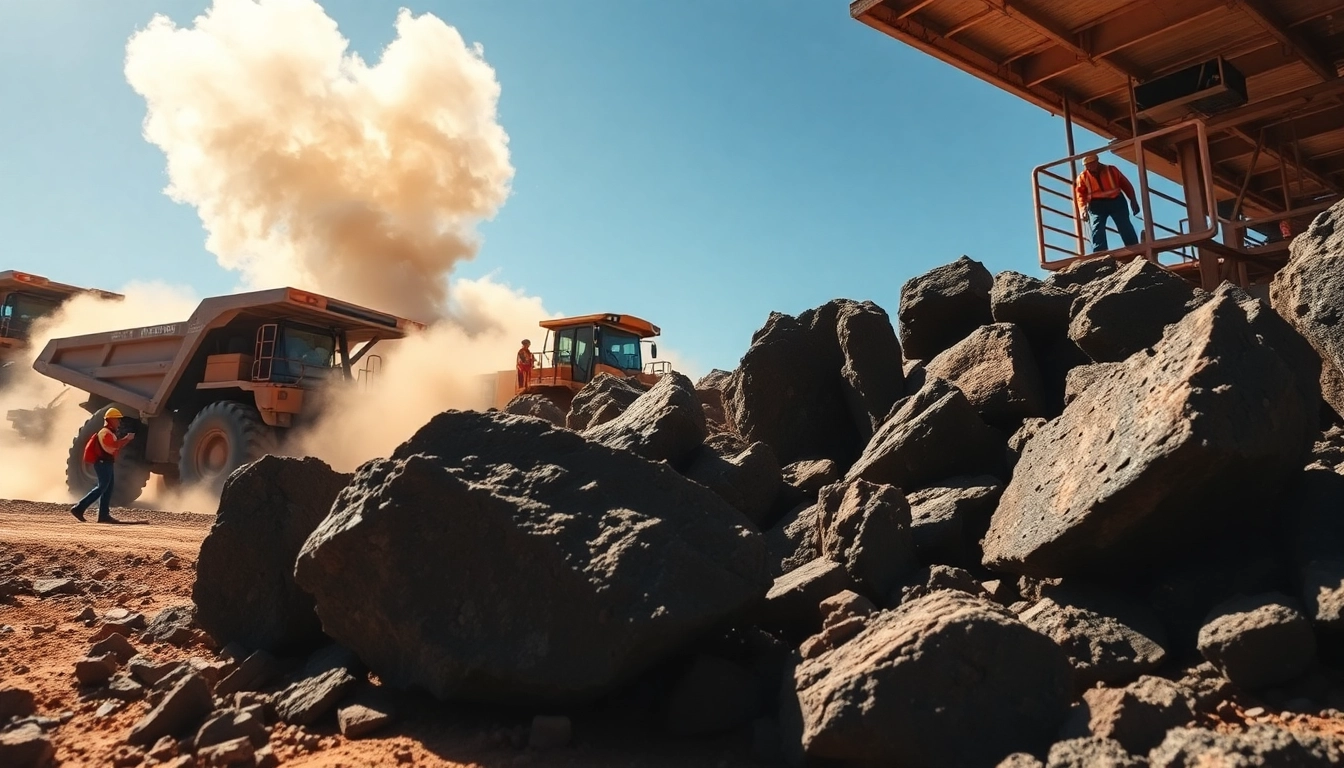
- Open-pit mining: Most common for large deposits, this method involves removing earth and rock overlying the ore to access it.
- Underground mining: Employed when ore deposits are too deep for surface mining, this technique involves tunneling to reach deposits.
- Backfilling: A sustainable mining practice where mined areas are filled with waste material, minimizing land disturbance.
Processing Steps to Extract Metal
The process of transforming iron ore into iron involves several stages: crushing, grinding, concentration, and smelting. Initially, the ore is crushed into smaller pieces, followed by grinding to liberate iron minerals. Concentration methods, like magnetic or flotation separation, are employed to remove impurities, while smelting is carried out in blast furnaces to produce pig iron, which can then be refined into steel.
Technological Advances in Iron Ore Processing
Technological innovations are continually improving the efficiency and environmental sustainability of iron ore processing. Techniques such as dry processing reduce water usage, while advancements in digital technologies allow for real-time monitoring and optimization in extraction and processing. Automation and robotics are becoming more prevalent in mining operations, increasing safety and productivity.
FAQs About Iron Ore
What is the current price of iron ore?
The price varies daily based on market trends; as of late, market reports indicate fluctuations typically falling between $100 to $120 per ton.
What countries have the largest reserves of iron ore?
Australia leads the world in iron ore reserves, followed by Brazil, Russia, and China, with diverse deposit types in each region.
How is iron ore extracted and processed?
Iron ore is extracted using surface or underground mining techniques and processed through crushing, grinding, and separation to yield metallic iron.
What are the environmental impacts of iron ore mining?
Mining can lead to habitat destruction, soil erosion, and pollution. Sustainable practices are essential to mitigate these impacts.
What are the different types of iron ore?
Key types include hematite, magnetite, limonite, and siderite, each with unique characteristics and varying iron content.