Iron Ore Pricing Explained: How to Secure Competitive Market Rates
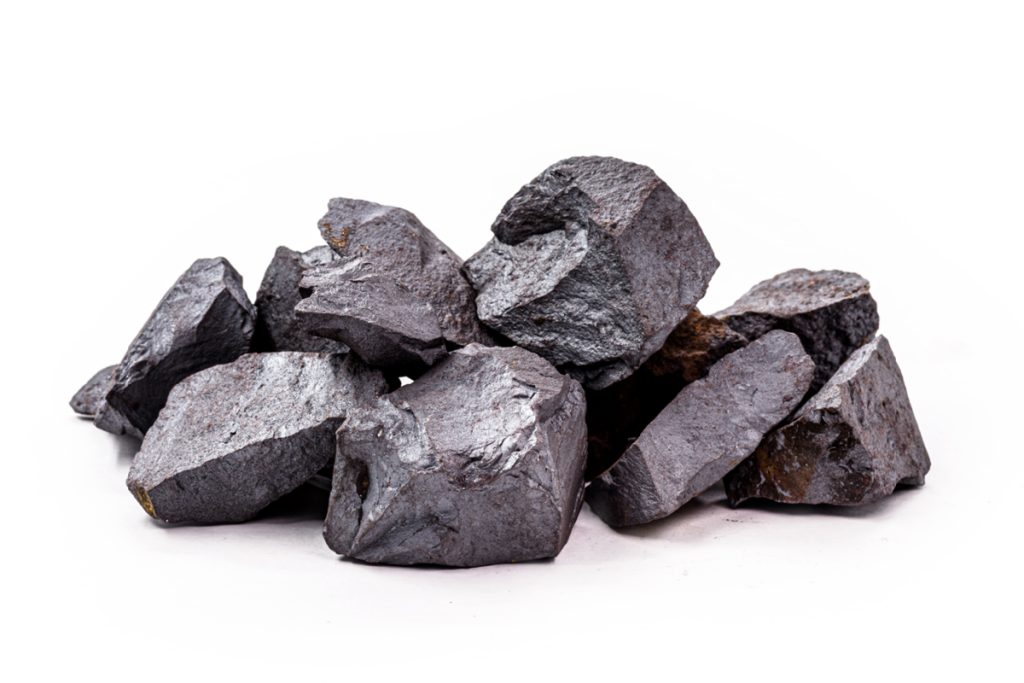
Understanding how Iron Ore pricing works is essential for any global buyer looking to secure reliable supply at competitive rates. With shifting market conditions, evolving production trends, and increasing demand from industrial sectors, pricing can fluctuate rapidly. To stay ahead, buyers must understand not just the numbers—but the factors behind them. Crossover 5 helps international clients navigate these complexities while securing dependable Iron ore at fair, market-aligned prices.
How Global Iron Ore Pricing Is Determined
Benchmark Indexes That Influence Rates
Most Iron Ore transactions reference major benchmark indexes set by leading commodity price agencies. These indexes track global supply, demand, shipment data, and market sentiment. When buyers understand how these benchmarks operate, they are better equipped to negotiate transparent pricing structures.
Market Sentiment and Real-Time Trends
Prices are also shaped by global steel production, energy costs, freight changes, and geopolitical conditions. Because Iron Ore is essential to steelmaking, any shift in steel output directly affects how prices move. Crossover 5 monitors these trends closely to support buyers with accurate and timely insights.
Key Factors That Affect Iron Ore Prices
Supply and Production Levels
When major mining countries increase or decrease production, the impact on Iron Ore pricing is immediate. Weather events, operational disruptions, and export regulations all influence global supply availability.
Demand from Steel Manufacturers
As construction, automotive production, and heavy industries expand, demand for Iron Ore rises. Buyers must track these sectors to anticipate when prices may climb or stabilize.
Grade and Quality Differences
Higher Fe-grade Iron Ore often commands premium pricing due to improved efficiency for steel producers. Impurities like silica and alumina also influence costs. Understanding grade variations helps buyers secure the right material at the right price.
Freight, Shipping, and Logistics
Transportation is a significant part of total cost. Shipping routes, fuel prices, and port congestion all play a role in determining the final price of Iron Ore delivered to a buyer’s destination.
How Buyers Can Secure Competitive Iron Ore Rates
Conduct Thorough Market Research
Staying informed is vital. Buyers who understand global Iron Ore trends can negotiate more confidently. Crossover 5 provides market updates that help clients anticipate price shifts and make strategic purchasing decisions.
Work With a Trusted Brokerage
Instead of dealing directly with uncertain sellers, partnering with a reputable brokerage ensures access to verified sources. Crossover 5 maintains relationships with trustworthy producers who offer consistent quantities of Iron Ore at reliable rates.
Leverage Long-Term Agreements
Long-term supply contracts help buyers secure stable Iron Ore prices even during volatile periods. These contracts protect against sudden market spikes and ensure uninterrupted supply.
Compare Supplier Offers
Not all offers are equal. Factors such as grade, freight cost, and origin affect pricing. Crossover 5 assists buyers in evaluating multiple Iron Ore offers to identify the most competitive and credible options.
The Role of Verification in Fair Pricing
Ensuring Authentic Documentation
Authentic documents—including quality reports, export licenses, and past shipment records—are essential for fair pricing. Verified Iron Ore suppliers are transparent with paperwork, enabling buyers to accurately assess value.
Avoiding Inflated Middlemen Margins
Unverified intermediaries often inflate prices or misrepresent supply availability. Crossover 5 eliminates this risk by connecting buyers directly with verified Iron Ore sources, reducing unnecessary layers and hidden markups.
Negotiation Strategies for Better Iron Ore Deals
Understanding Cost Components
Breaking down the price—mine cost, processing, freight, inspection, and port fees—helps buyers identify where negotiation is possible. A well-informed buyer can secure more favorable Iron Ore pricing terms.
Using Market Timing
Prices fluctuate daily. Crossover 5 advises buyers on ideal times to engage based on current market conditions, helping them lock in advantageous deals.
Building Long-Term Relationships
Suppliers often offer better pricing to committed, recurring buyers. Establishing consistent purchases helps secure more competitive Iron Ore rates over time.
How Crossover 5 Supports Price Optimization
Access to Real-Time Market Intelligence
Crossover 5 monitors global indicators—production updates, freight changes, demand shifts—to guide buyers toward favorable Iron Ore purchase windows.
Verified Supplier Network
Every supplier in the Crossover 5 network has been vetted for authenticity, documentation accuracy, and product consistency. This ensures buyers receive credible Iron Ore offers at realistic prices.
Transparent Negotiation Support
With industry knowledge and experience, Crossover 5 assists buyers in negotiating pricing structures that reflect true market value rather than inflated intermediary margins.
End-to-End Procurement Assistance
From offer comparison to contract drafting, Crossover 5 ensures every buyer secures high-quality Iron Ore at competitive rates without unnecessary delays or confusion.
Conclusion
Achieving competitive Iron Ore pricing requires an understanding of market forces, supplier credibility, and smart negotiation strategies. With Crossover 5’s verified network, real-time insights, and pricing expertise, buyers gain the advantage of securing stable, high-quality Iron Ore at fair and transparent rates. For businesses seeking dependable supply and smarter procurement decisions, partnering with a trusted brokerage makes all the difference.
About the Author