Understanding Vinyl Siding
What Is Vinyl Siding?
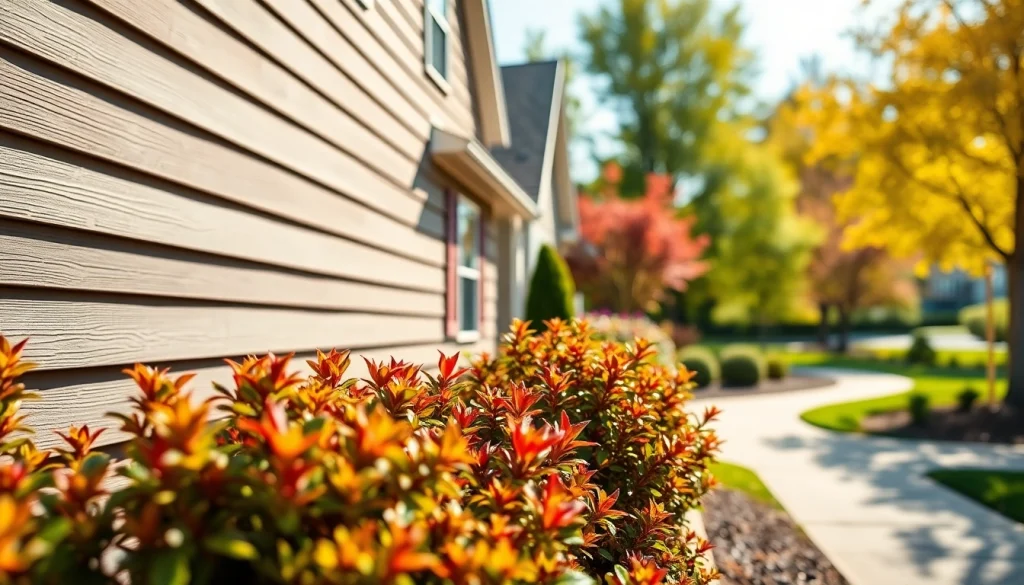
Vinyl siding is a plastic exterior cladding for homes and small buildings, designed primarily for the purpose of enhancement through decorative finishes and weatherproofing. Initially introduced in the 1960s as an alternative to wood siding, it imitates the richness of traditional materials while promising easier maintenance and longevity. Vinyl siding is engineered for durability, resisting elements that cause peeling, chipping, and fading. Its vibrant colors and textures have made it a popular choice in residential construction.
Benefits of Vinyl Siding
Homeowners increasingly favor vinyl siding due to a range of compelling benefits:
- Low Maintenance: Unlike wood, vinyl does not require painting or staining. Instead, it only needs occasional washing to keep it clean.
- Durability: Vinyl siding is resistant to warping, rotting, and insect damage, providing longer lifespan compared to other materials.
- Energy Efficiency: Insulated vinyl siding improves energy efficiency by reducing heat transfer within the home.
- Variety of Styles: Available in different textures, colors, and styles, it offers flexibility in meeting design preferences.
- Cost-Effectiveness: Compared to wood or fiber-cement siding, it typically costs less to purchase and install.
Common Misconceptions
Despite its popularity, various misconceptions about vinyl siding still circulate:
- It’s Cheap-Looking: Many believe that vinyl siding is synonymous with poor aesthetics, but advancements in manufacturing have led to high-quality, attractive products.
- It Warps Easily: Quality vinyl siding can withstand extreme climate changes without warping or cracking.
- It’s Not Eco-Friendly: While the production of vinyl does have environmental impacts, there are recycling programs in place that reduce waste significantly.
Types of Vinyl Siding
Lap Vinyl Siding
Lap vinyl siding consists of long, horizontal panels that overlap each other. This traditional style is popular for its classic appeal and ease of installation. The panels create a natural look reminiscent of wood clapboard while being durable. Available in various widths, homeowners can choose the appearance that best suits their home’s architecture.
Vertical Vinyl Siding
Vertical vinyl siding, as the name suggests, installs vertically rather than horizontally. This style offers a unique look that can make homes appear taller and more striking. Vertical siding is particularly popular for contemporary designs and can accentuate architectural features such as gables.
Shake and Shingle Styles
Shake and shingle vinyl siding emulates the look of traditional wood shakes, providing a rustic and charming aesthetic. Available in various profiles, this type of vinyl siding adds texture and depth to a home’s exterior. It’s an excellent choice for homeowners desiring a vintage or cottage-like appearance while enjoying the benefits of modern materials.
Cost Factors for Vinyl Siding
Material Costs
The cost of vinyl siding varies based on the quality, thickness, and style chosen. On average, materials can range from $2 to $8 per square foot. Higher-end options, such as insulated vinyl siding or premium finishes, can elevate costs further but also offer enhanced energy efficiency and durability.
Installation Costs
Installation is another critical factor affecting the total expenditure. Professional installation can range from $4 to $7 per square foot, depending on the region and contractor expertise. DIY installation can save on labor costs, but it’s essential to understand that improper installation can compromise the material’s performance and lifespan.
Maintenance and Longevity
Finally, the longevity of vinyl siding also impacts overall costs. With proper maintenance—including periodic cleaning with water and non-abrasive cleaners—quality vinyl can last over 25 to 30 years. This extended lifespan minimizes the need for replacements and repair, thereby ensuring long-term value.
Vinyl Siding Installation Process
Preparation and Planning
Before installation, thorough planning is essential. Homeowners should measure the area to be covered accurately, accounting for windows, doors, and architectural features. It’s advisable to consult with professionals or resources to outline the precise quantity of materials needed to avoid wastage. Additionally, checking local building codes and regulations can ensure compliance.
Steps for Successful Installation
The installation process typically involves several key steps:
- Remove Old Siding: If replacing existing siding, safely remove it to ensure the best adhesion for the new panels.
- Prepare the Surface: Repair any damage to the underlying walls, ensuring a solid base for new installation.
- Install Flashing: Add flashing around windows and doors to prevent water intrusion.
- Hang Starter Strips: Install starter strips at the bottom of the walls to support the first row of siding panels.
- Attach Panels: Follow a staggered pattern for overlapping panels, ensuring clips and locks engage correctly for weather resistance.
- Finish Up: The final touches should include trim work around windows and doors for a polished look.
Common Installation Challenges
Installation may present various challenges, especially for inexperienced homeowners:
- Uneven Walls: Use a level and shims to ensure siding is installed evenly on uneven surfaces.
- Incorrect Measurements: Double-check measurements before cutting panels to prevent material waste.
- Temperature Considerations: Vinyl expands in high heat and contracts in cold; always leave expansion gaps during installation.
FAQs about Vinyl Siding
What is the average cost of vinyl siding?
The average cost of vinyl siding ranges from $3 to $12 per square foot, excluding installation. Costs can vary based on the style and quality of materials.
How long does vinyl siding last?
With proper maintenance, vinyl siding can last between 25 to 30 years, providing excellent durability compared to other materials.
Can vinyl siding be painted?
While it’s technically possible to paint vinyl siding, it is not recommended as it may void warranties and can lead to peeling and fading issues.
Is vinyl siding eco-friendly?
Vinyl siding has a lower environmental impact during its lifespan compared to traditional materials; however, recycling options exist for disposal.
How do I maintain vinyl siding?
To maintain vinyl siding, periodically wash it with water and a mild detergent. Avoid abrasive materials that may scratch or damage the surface.