
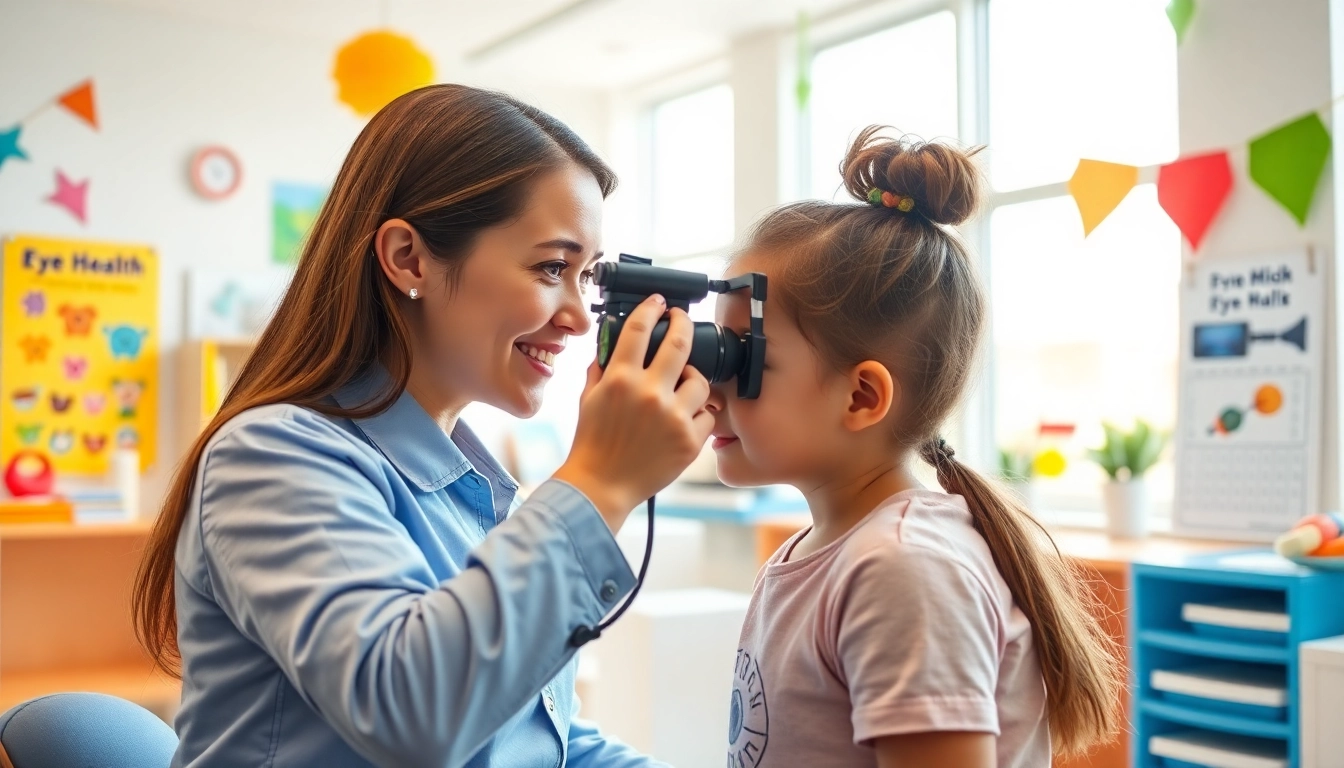
Understanding the Importance of Our Children’s Vision
The vision of a child plays an integral role in their overall development and learning. From recognizing faces and colors to navigating their environment and engaging in activities, having good vision significantly contributes to a child’s day-to-day experiences. Unfortunately, many children face vision-related problems that can hinder their development and academic performance. The initiative behind Our Children’s Vision emphasizes the importance of ensuring children have access to appropriate eye care and the necessary resources to maintain their visual health.
The Role of Vision in Child Development
Vision is not merely about seeing; it’s the foundation for a child’s engagement with the world. Good eyesight is essential for numerous developmental milestones, including cognitive development and motor skills. Children learn through observation, and their visual senses help them navigate and interpret experiences. Their ability to read facial expressions, interact socially, and acquire language skills is often anchored in their visual acuity. Without clear vision, children may become frustrated, which can lead to behavioral challenges and hinder their educational progress.
Common Vision Problems in Children
Several common vision issues can affect children, including:
- Myopia (Nearsightedness): A condition where nearby objects are seen clearly, while distant objects appear blurry.
- Hyperopia (Farsightedness): Here, distant objects are seen clearly, but close objects are challenging to focus on.
- Astigmatism: This results from an irregular curvature of the cornea or lens, causing blurry vision at all distances.
- Amblyopia (Lazy Eye): A condition where the brain favors one eye over the other, leading to decreased vision in the affected eye.
- Strabismus (Crossed Eyes): A misalignment of the eyes which can lead to difficulty in focusing on an object simultaneously.
Early detection and treatment of these issues can prevent long-term problems, highlighting the need for regular eye exams.
Why Regular Eye Check-Ups Matter
Regular eye check-ups are crucial for early detection of vision problems. They provide an opportunity for professionals to assess the child’s vision and recommend necessary interventions. Early testing can lead to timely treatment and often improves outcomes dramatically. Notably, many vision problems can exist without noticeable symptoms, making regular evaluations vital for a child’s visual health and overall educational success.
Signs Indicating Your Child Might Need an Eye Exam
Behavioral Indicators of Vision Issues
There are various behavioral indicators that may suggest a child is experiencing vision challenges. Parents should watch for signs such as:
- Squinting or closing one eye when looking at objects
- Frequent rubbing of the eyes
- Avoidance of activities that require close visual attention, like reading or drawing
- Difficulty following moving objects with their eyes
- Poor performance in school, which can sometimes relate back to unresolved vision issues
Physical Symptoms to Watch For
There are also specific physical symptoms that may indicate a vision problem. Parents should be alert to signs such as:
- Complaints about headaches, especially after reading or close work
- Frequent changes in behavior, including irritability or frustration during visual tasks
- Blurred or distorted vision when looking at objects
- Unusual sensitivity to light
- Excessive blinking or tired eyes
When to Schedule a Professional Evaluation
Children should have their first comprehensive eye examination at the age of one and again at age three, followed by routine check-ups before they enter school. However, if any of the previously mentioned signs or symptoms are observed, parents should schedule an evaluation regardless of the child’s age. Early intervention is key for successful treatment.
Best Practices for Maintaining Our Children’s Vision
Healthy Eye Habits for Kids
Fostering healthy eye habits in childhood is essential for maintaining good vision throughout life. Some effective strategies include:
- Encourage Outdoor Activities: Studies show that spending more time outdoors can help delay the onset of myopia in children.
- Frequent Breaks during Near Work: Follow the 20-20-20 rule: every 20 minutes, have your child look at something 20 feet away for 20 seconds.
- Proper Lighting: Ensure that the lighting is adequate when reading or engaging in visual work to reduce strain.
- Limit Eye Strain: Encourage children to use their devices responsibly and to take regular breaks from screens.
Nutrition for Optimal Eye Health
Nutrition plays a vital role in maintaining eye health. A balanced diet rich in vitamins and minerals can help safeguard vision. Important nutrients include:
- Vitamin A: Essential for good vision, found in carrots, sweet potatoes, and spinach.
- Omega-3 Fatty Acids: Beneficial for retinal health, available in fish and flaxseeds.
- Lutein and Zeaxanthin: Antioxidants that protect against harmful light, present in leafy greens and egg yolks.
- Vitamin C: Important for blood vessels within the eyes, found in oranges, strawberries, and bell peppers.
Screen Time Management Tips
Arguably, managing screen time has become a vital part of preserving children’s vision in a digital age. Here are a few tips for parents:
- Establish clear time limits on recreational screen use and stick to them.
- Encourage the use of larger screens over smaller devices, and choose educational content that encourages engagement.
- Lead by example—practice healthy screen habits as a family.
- Integrate visual breaks and alternative activities like outdoor play during screen time.
Resources for Parents: Supporting Our Children’s Vision
Finding the Right Pediatric Eye Specialist
Locating a qualified pediatric eye specialist is a crucial step for parents seeking to establish their child’s vision health. Consider seeking referrals from pediatricians, schools, or trusted community members. It’s important to look for an eye care professional who specializes in children’s eye health and understands developmental issues.
Educational Materials and Programs
Parents should take advantage of educational resources about eye health. Programs offered at schools often provide vision screenings and workshops aimed at educating families about the importance of eye care. Educational materials such as books and websites dedicated to pediatric eye care can enhance awareness and foster proactive management of visual health.
Community Support and Initiatives
Many communities have local programs offering support for children’s eye health. Initiatives include free eye exams, information sessions for parents, and resources for financial assistance for those in need. Parents are encouraged to engage with local health departments and non-profit organizations aimed at promoting children’s vision care.
Future Trends in Pediatric Eye Care
The Impact of Technology on Eye Exams
With advancements in technology, pediatric eye care is evolving rapidly. New diagnostic tools and imaging technology enhance the accuracy of eye exams, enabling faster detection of vision problems. Features like tele-optometry are making eye care more accessible, allowing pediatricians to conduct virtual assessments and follow-ups, particularly beneficial in times of limited mobility.
Innovations in Treatment Options
Innovations in treatment options are reshaping pediatric eye care. For instance, specialized contact lenses and orthokeratology methods are available for managing myopia, while digital applications provide vision therapy at home. Such tools can significantly improve a child’s visual health with minimal disruption to their daily routines.
Global Initiatives Promoting Eye Health
Numerous global initiatives work towards improving eye health for children worldwide. Programs aimed at spreading awareness of the importance of regular eye exams, along with the implementation of public health strategies, are becoming more prevalent. Collaborations between governments, non-profit organizations, and private sectors are crucial in driving these efforts to ensure every child has access to quality eye care.