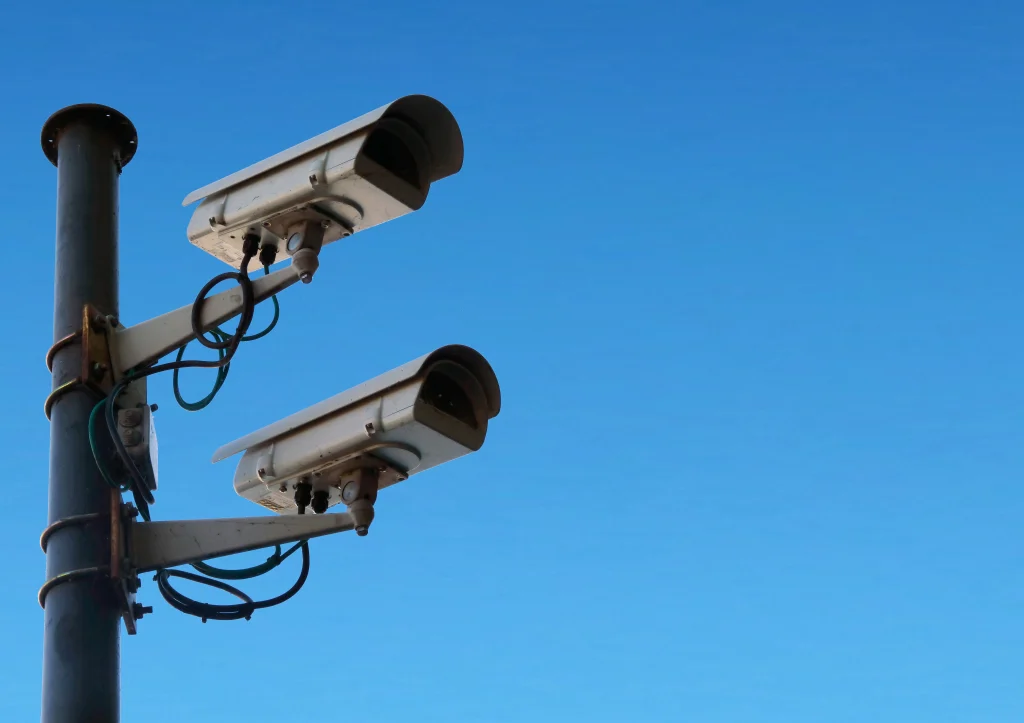
Understanding Video Analytics
In an era where security threats are on the rise, and the need for efficient surveillance solutions has never been greater, video analytics stands at the forefront of this technological evolution. Video analytics enhances monitoring capabilities, allowing for the automatic identification of people, vehicles, and suspicious movements in real-time, thereby transforming traditional security systems into intelligent oversight tools. By employing advanced algorithms and artificial intelligence, https://videoanalytics.co.uk/ delivers powerful insights and actionable intelligence crucial for modern security systems.
What is Video Analytics?
Video analytics refers to the use of algorithms and artificial intelligence to analyze video data automatically. This technology processes footage from various camera setups, identifying and categorizing objects or events, enhancing traditional surveillance methodologies. With video analytics, videos can be sifted through to highlight key activities, allowing security personnel to focus on critical occurrences rather than monitoring live feeds constantly.
Key Technologies Behind Video Analysis
Several technologies converge to empower video analytics, including:
- Machine Learning (ML): This branch of artificial intelligence enables systems to learn from data, improving their accuracy over time as they are exposed to more varied scenarios.
- Computer Vision: A field that deals with how computers can be made to gain understanding from digital images or videos, allowing for the recognition of faces, vehicles, and behaviors.
- Deep Learning: A subset of machine learning that uses neural networks with many layers (deep networks) to analyze data with a structure similar to how the human brain processes information.
- Edge Computing: Processing video data on-site rather than sending it to centralized servers, reducing latency and bandwidth use, enhancing real-time analysis capabilities.
The Importance of Real-Time Monitoring
Real-time monitoring is essential in settings like perimeter security, traffic management, and public safety, where instant responses can prevent threats or accidents. Video analytics facilitates immediate alerts and notifications when unusual activities are detected, allowing for quicker decision-making and responses by security teams. For instance, a sudden group formation in a restricted area can trigger an alert, prompting security personnel to investigate immediately, potentially averting significant issues.
Benefits of Implementing Video Analytics
Organizations across various sectors can benefit immensely from implementing video analytics solutions. The key advantages include enhanced security, reduced false alarms, and better data-driven decision-making.
Enhanced Security and Surveillance
Through sophisticated detection capabilities, video analytics improves the overall security posture. By continuously analyzing video feeds, it can identify suspicious individuals or behaviors that may indicate criminal activity, such as loitering or unauthorized access. This proactive surveillance is not only about reactionary measures but also significantly detours potential threats when intruders realize they’re being monitored by advanced technology.
Reduced False Alarms
One common issue with traditional security systems is the occurrence of false alarms, often triggered by non-threatening activities. Video analytics utilizes advanced filtering mechanisms that significantly reduce these false alarms through refined object discrimination and behavior analysis. By ensuring that only genuine alerts reach operators, organizations can save valuable time and resources, allowing them to focus on real threats rather than false positives.
Data-Driven Decision Making
Video analytics not only focuses on real-time monitoring but also compiles historical data to provide insights into trends and patterns over time. This data can be invaluable for understanding occupancy levels in a building or analyzing traffic congestion patterns. Organizations can use this information for strategic planning, optimizing resource allocation, and improving overall operations.
Common Challenges in Video Analytics
While the advantages are compelling, implementing video analytics is not without challenges. Awareness of these challenges and understanding how to address them is crucial for organizations looking to integrate these systems effectively.
Data Privacy Concerns
With increased surveillance comes increased scrutiny over privacy. Organizations must be aware of regulations governing data privacy, particularly in jurisdictions with strict privacy laws. A clear privacy policy and transparent practices regarding how data is collected, stored, and utilized are essential to gain public trust and ensure compliance.
Integration with Existing Systems
Organizations often face hurdles when trying to integrate new video analytics systems with their current infrastructure. Compatibility issues can arise, requiring significant time and resources to resolve. A well-planned strategy for integration, involving the assessment of existing infrastructure and clear specifications for new systems, can mitigate these challenges.
Technical Complexity
Implementing advanced technology like video analytics can be technically complex and requires specialized knowledge. Organizations may require additional training for their staff to proficiently operate and manage these systems. Developing a structured training program that covers both the technical aspects and the analytical capabilities of the technology can help alleviate this complexity.
Best Practices for Effective Video Monitoring
To fully leverage video analytics technology, organizations should follow best practices that ensure robust monitoring and analysis.
Choosing the Right Equipment
High-quality cameras paired with advanced video analytics systems are essential. Organizations should invest in hardware capable of capturing clear, high-resolution footage, as ambiguous images can hinder the effectiveness of video analysis algorithms. Consultations with experts can ensure the selection of suitable camera types and placements for optimal coverage.
Training Staff on Data Interpretation
Even the best technology can fall short without trained personnel to interpret data correctly. Comprehensive training programs should educate staff not just on operational procedures but also on the importance of analyzing collected data effectively for informed decision-making. Continuous training refreshers can help maintain skill levels, adapting to new technologies as they emerge.
Continuous System Evaluation
Regular system evaluations ensure that video analytics solutions remain effective over time. Organizations should establish routines for reviewing system performance, assessing whether the analytics continue to meet organizational requirements and identifying areas for improvement. This proactive approach allows for adjustments based on technological advancements or changing organizational needs.
Measuring Success with Video Analytics
To quantify the impact of video analytics, organizations must establish clear metrics for success. This includes identifying key performance indicators (KPIs) that align with security objectives.
Identifying Key Performance Indicators (KPIs)
KPIs such as the reduction in response times to incidents, the accuracy of threat detection, and the frequency of false alarms can provide valuable insights into the effectiveness of the video analytics system. Setting specific, measurable targets for these indicators will help gauge success and direct future improvements.
Feedback Loop for Improvement
Creating a feedback loop where staff can report on the effectiveness and challenges of video analytics used in real scenarios will enable continuous improvement. This collaborative approach ensures that user experiences inform system upgrades and enhancements, creating a more efficient security solution.
Case Studies of Success
Analyzing case studies where organizations successfully implemented video analytics can provide learnings for others. These success stories often highlight specific challenges faced and the strategies employed to overcome them, offering valuable insights into practical applications of video analytics in diverse contexts.
Frequently Asked Questions
What is the primary function of video analytics?
The primary function of video analytics is to automatically analyze video footage and identify specific events, enhancing surveillance systems by providing real-time alerts and insights based on detected activities or anomalies.
How does video analytics improve security?
Video analytics improve security by automating threat detection, reducing response times, and minimizing false alarms, allowing security personnel to focus on genuine threats while ensuring more efficient monitoring practices.
What are common applications of video analytics?
Common applications of video analytics include monitoring for unauthorized access, crowd management, traffic monitoring, detecting unusual behavior, and ensuring compliance with safety regulations in various environments.
How can organizations ensure data privacy?
Organizations can ensure data privacy by implementing clear policies on data collection and storage, adhering to relevant regulations, and educating staff on privacy practices to safeguard sensitive information.
What technical skills are necessary for operating video analytics systems?
Essential technical skills for operating video analytics systems include basic IT knowledge, understanding of cybersecurity principles, familiarity with video management software, and analytical skills to interpret data insights effectively.