
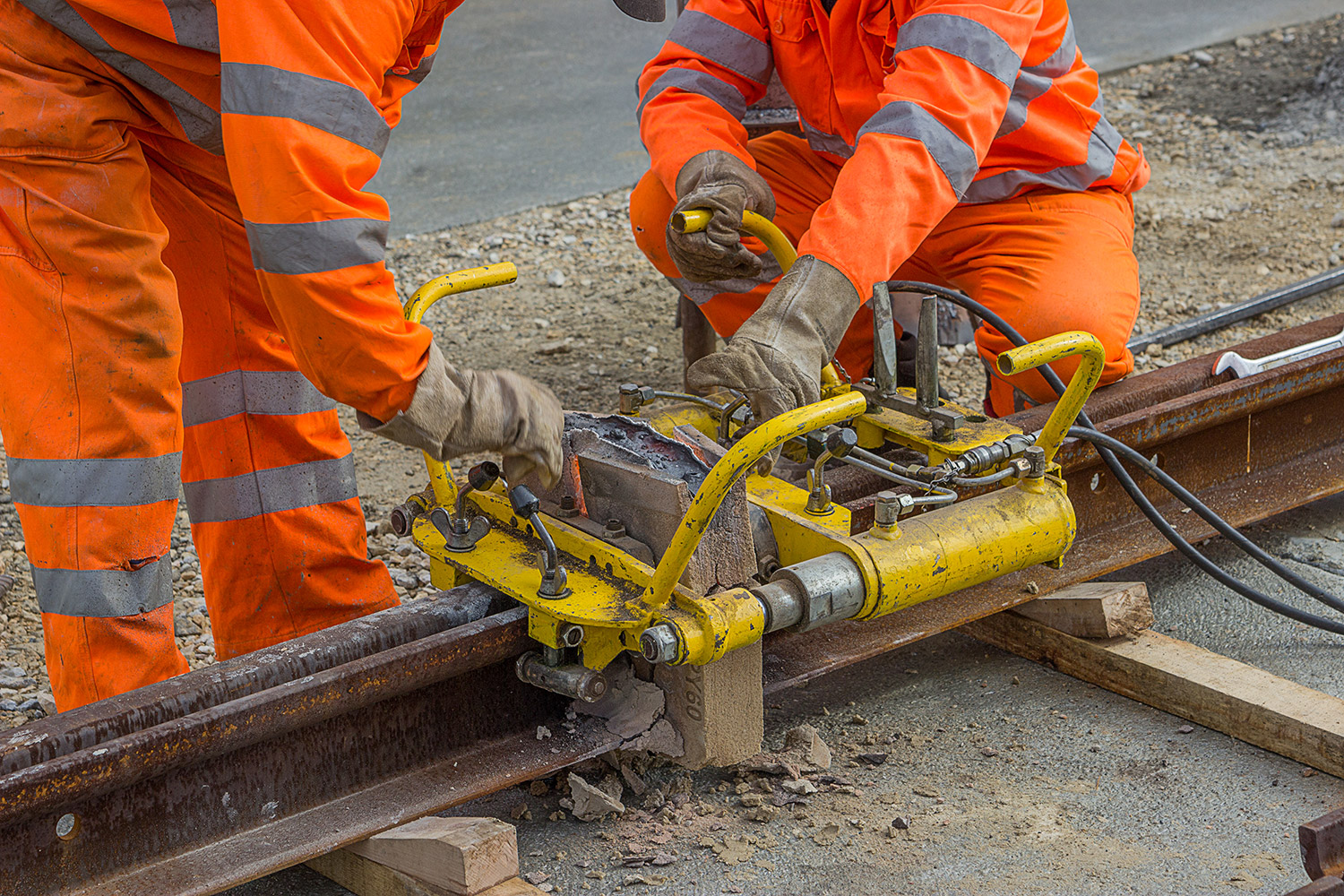
Rail transport is a critical component of modern infrastructure, ensuring the efficient movement of goods and people. The professionals on the forefront of these operations are the Railroad Contractors, who play an essential role in maintaining safe and efficient rail systems. This article will delve into the multifaceted responsibilities of railroad contractors, the variety of services they offer, the challenges they face, best practices for collaboration, and emerging trends in the industry.
Understanding the Roles of Railroad Contractors
What do Railroad Contractors Do?
Railroad contractors are specialized professionals who engage in numerous activities associated with the construction, maintenance, and operations of railway systems. Their tasks include designing rail lines, building tracks, managing the installation of signaling systems, and conducting regular inspections and repairs to ensure safety and compliance with regulations.
In essence, railroad contractors are integral to maintaining the infrastructure that protects the safety of rail transport, managing everything from routine maintenance to emergency repairs, and adapting the system to evolving technological demands.
Key Skills Required for Successful Work
The multifaceted nature of railroad contracting necessitates a diverse skill set. Key skills include:
- Technical Expertise: Knowledge of engineering principles, track construction, and signaling systems is critical.
- Safety Management: Understanding of safety protocols, equipment operation, and regulatory compliance.
- Project Management: Skills to oversee timelines, budgets, and team coordination.
- Problem Solving: Ability to quickly address issues that arise during construction and maintenance.
- Communication: Proficiency in articulating complex concepts to stakeholders, including governmental entities and private organizations.
The Importance of Safety in Railroad Operations
Safety is paramount in the realm of transportation, particularly when it comes to railroad operations. Railroad contractors must adhere to rigorous safety standards and regulations to minimize risks to both workers and the public. This includes thorough training in the use of heavy machinery, adherence to safe work practices, and regular audits and assessments of equipment and procedures.
Moreover, safety protocols need to encompass emergency preparedness, ensuring that all personnel are equipped to respond effectively in the event of accidents or malfunctions. Developing a robust safety culture is not only a regulatory requirement but also essential for the sustainable operation of rail services.
Types of Services Offered by Railroad Contractors
Track Installation and Maintenance Explained
Track installation is one of the primary services provided by railroad contractors. This process entails careful planning, precise engineering, and expert execution. Contractors assess the terrain, design the layout of tracks, and utilize advanced machinery to ensure the installation is completed with minimal disruption and maximum efficiency.
Maintenance modes, including track inspection and repair, play an equally vital role. Regular maintenance helps identify wear and tear before they escalate into major issues, thereby prolonging the lifespan of rail systems and enhancing safety. This can involve everything from replacing worn-out rails to adjusting alignment and ensuring ballast stability.
Earthwork and Drainage Solutions
Effective earthwork and drainage are fundamental to a robust railroad infrastructure. Contractors must perform extensive soil analysis and site preparation before laying tracks. Earthwork may include excavation, grading, and compaction, all designed to create a solid foundation for railway tracks.
Moreover, proper drainage systems are critical to ward off flooding and erosion, which can severely damage railway tracks. Railroad contractors design and implement drainage solutions tailored to the specific environmental conditions of each project, ultimately safeguarding against natural elements that can compromise safety and reliability.
Signal Systems and Technology in Railroads
As technology continues to advance, the integration of sophisticated signaling systems becomes vital. Railroad contractors are responsible for the installation and maintenance of these complex systems, which control train movements and ensure safety on the tracks. Modern signal technology incorporates sensors, automated alerts, and electronic controls to enhance operational efficiency.
The implementation of smart technologies allows for real-time data collection and monitoring, leading to improved decision-making and a reduction in the risk of accidents. As such, contractors must stay abreast of emerging technologies and continuously upgrade their skills and systems to maintain railroad safety and efficiency.
Challenges Facing Railroad Contractors Today
Managing Labor and Workforce Issues
The railroad industry faces ongoing challenges with labor shortages and the dynamics of workforce management. Finding skilled labor can be difficult due to the specialized knowledge required in rail construction and maintenance. Additionally, the industry must compete with other sectors for talent.
To overcome these challenges, many contractors are investing in workforce training programs and collaborating with local educational institutions to create pathways for careers in the railroad industry. This proactive approach helps foster a skilled workforce ready to address the demands of modern rail operations.
Adapting to Regulatory Changes in the Industry
The railroad industry is subject to stringent regulations that can change frequently, impacting how operations are conducted. Railroad contractors must remain informed about local, state, and federal regulations to ensure compliance and avoid penalties.
This often requires an investment in research and development to understand new requirements and adjust operations accordingly. Staying adaptable is crucial for contractors to effectively navigate the regulatory landscape and maintain their reputations and operational licenses.
Environmental Considerations and Sustainability
As environmental awareness continues to grow, railroad contractors face pressure to adopt sustainable practices. This includes reducing the carbon footprint of operations, using eco-friendly materials, and implementing strategies to minimize disturbance to local ecosystems during construction.
Many contractors are embracing sustainable techniques such as recycling materials, using solar energy for signaling systems, and developing innovative waste management processes. This not only meets regulatory requirements but also resonates with environmentally-conscious clients and stakeholders.
Best Practices for Working with Railroad Contractors
How to Choose the Right Contractor for Your Needs
Selecting the right contractor is critical to the success of any rail project. Key factors to consider include the contractor’s experience, reputation, and demonstrated capabilities in handling projects similar to yours. Be sure to review past projects and client testimonials to understand their track record.
Additionally, engaging in open discussions about safety protocols, timelines, and budget management can help ensure alignment in project expectations. A collaborative spirit fosters a beneficial partnership and helps mitigate potential issues before they arise.
Communicating Project Goals Effectively
Effective communication between stakeholders and contractors establishes a clear understanding of project goals. Employing collaborative tools and platforms ensures everyone is on the same page regarding timelines, responsibilities, and expectations.
Regular meetings, updates, and transparent discussions will help build trust and facilitate problem-solving throughout the project lifecycle. Encouraging feedback and open dialogue can lead to improved efficiency and project outcomes.
Budgeting and Financial Management Tips
Maintaining a clear financial plan is essential for any railroad project. Begin with a comprehensive budget that encompasses all costs, including labor, materials, and contingencies for unforeseen circumstances. Keeping track of expenses and regularly updating projections can help avoid budget overruns.
Moreover, consider establishing a dedicated financial oversight team that can manage and report progress, ensuring the project stays on track financially throughout its duration. Effective budgeting supports overall project health and stakeholder satisfaction.
Future Trends Shaping the Railroad Contractors Industry
Innovations in Railroad Technology
The railroad industry is rapidly evolving with innovations in technology, including the deployment of artificial intelligence, automation, and advanced data analytics. These technologies enhance operational efficiency, reduce costs, and improve safety standards.
Contractors will need to invest in ongoing training and development to keep pace with emerging technologies and integrate these advancements into their operations. Embracing innovation can result in a competitive advantage in a challenging market.
The Impact of Infrastructure Investments
Government investments in infrastructure will continue to play a vital role in the railroad industry. Initiatives targeted at improving rail infrastructure will create opportunities for contractors to engage in various projects, including upgrading existing lines, expanding capacity, and enhancing safety features.
These investments will not only provide financial opportunities but also underscore the critical need for modernized transportation systems that meet the demands of today and the future.
Predictions for Workforce Development and Hiring
As the demand for rail transport increases, so does the need for a skilled workforce. Future projections signal likely growth in rail-related job opportunities, underscoring the importance of recruitment and training efforts within the industry.
Workers will need to become adept at using new technologies and exhibit flexibility to adapt to changing job requirements. Collaboration between contractors, educational institutions, and industry organizations will be essential to develop training programs that meet future needs.
Frequently Asked Questions
What does a railroad contractor do?
Railroad contractors work on constructing, maintaining, and improving railway systems. Tasks range from track installation to signal system management, ensuring safety and compliance across the network.
What skills are necessary to be successful as a railroad contractor?
Key skills for railroad contractors include technical expertise, safety management, project management, problem-solving, and strong communication abilities.
Why is safety important in railroad operations?
Safety is critical in railroad operations to protect workers and the public. It involves strict adherence to safety protocols and regular inspections to mitigate risks.
What challenges do railroad contractors face today?
Contractors face challenges such as labor shortages, regulatory changes, and environmental pressures. Adapting to these challenges is crucial for successful operations.
What future trends will impact railroad contractors?
Future trends include advancements in technology, increased investments in infrastructure, and a growing need for skilled labor, all shaping the industry’s landscape.