Understanding AI Employee: Definition and Capabilities
What is an AI Employee?
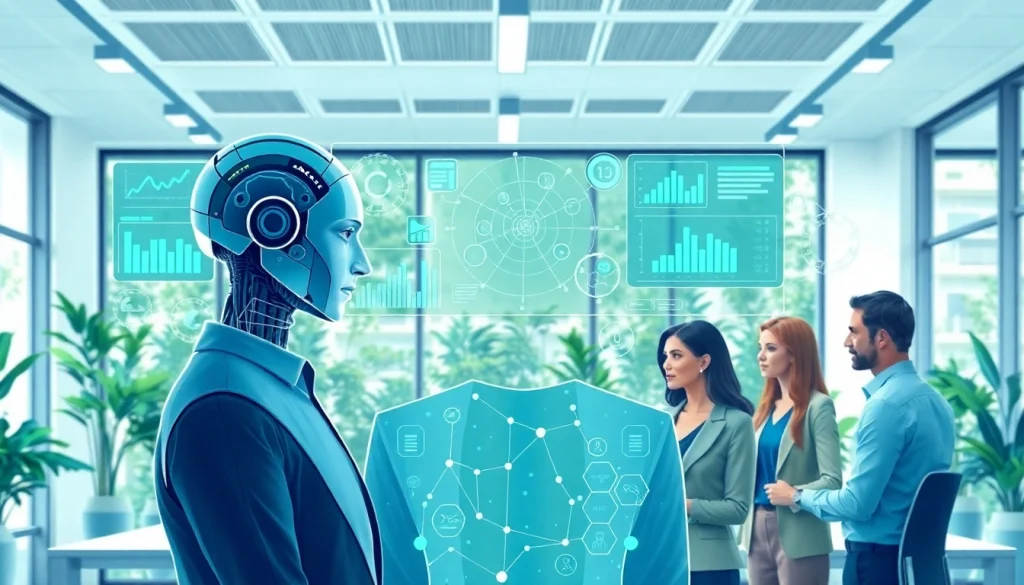
An AI Employee is a sophisticated application of artificial intelligence aimed at automating tasks traditionally performed by human workers. Unlike conventional software, which requires explicit instructions for every operation, AI Employees leverage advanced machine learning, natural language processing, and data analysis to execute decisions and perform tasks autonomously. This innovation eliminates tedious processes for businesses, allowing them to leverage AI’s ability to process vast amounts of information quickly and accurately.
Core Capabilities of an AI Employee
The capabilities of an AI Employee vary widely depending on its design and purpose. Below are some core functionalities:
- Data Processing: AI Employees can analyze large datasets, identifying trends and generating reports much faster than human counterparts.
- Task Automation: They can automate repetitive tasks such as scheduling, customer inquiries, and data entry, freeing up human employees for more strategic work.
- Machine Learning: Many AI Employees can learn from interactions and improve over time, refining their processes and outputs based on new data.
- NLP Capabilities: With advanced natural language processing, they can comprehend and interact with human language, making them effective virtual assistants and chatbots.
Understanding AI Employment in Various Industries
The application of AI Employees spans across various industries, transforming traditional workflows. In the customer service sector, for instance, AI chatbots handle initial inquiries, resolving common issues and routing complex cases to human agents. In healthcare, AI Employees assist with patient data management and analysis, facilitating better diagnostic support. In finance, AI systems are employed for risk assessment, fraud detection, and algorithmic trading. This technology enhances efficiency across sectors by streamlining operations and improving decision-making processes.
Benefits of Implementing AI Employee in Your Business
Enhanced Efficiency and Productivity
Integrating an AI Employee into business processes significantly boosts efficiency and productivity. By automating routine tasks, organizations can allocate resources more effectively. Employees can focus on higher-order functions such as strategic planning and creative problem-solving. Furthermore, AI Employees work relentlessly, offering continuous productivity without the fatigue or limitations associated with human workers.
Cost Reduction Through Automation
One of the major financial benefits of incorporating AI Employees is cost reduction. Businesses can save on labor costs by automating processes that would otherwise require numerous human employees. For example, deploying AI for customer service functions can substantially lower operational expenses. In many cases, the implementation of AI solutions leads to rapid returns on investment as companies notice improved efficiency and lower error rates.
Improved Employee Satisfaction and Engagement
AI Employees can enhance overall job satisfaction for human workers. By relieving employees of mundane tasks, they can focus on more meaningful and creative activities. This shift not only increases employee morale but also fosters an environment where innovation and teamwork thrive. Moreover, AI technologies can facilitate skill development by taking over basic functions, allowing workers to engage in more complex and rewarding roles.
Challenges in Adopting AI Employee Solutions
Resistance to Change Among Staff
One of the most prevalent challenges in implementing AI Employees is the resistance to change among staff. Employees may fear job displacement or feel uneasy about adapting to new technologies. Effective communication and change management strategies are essential for addressing these concerns. Organizations can offer training programs to empower employees to embrace AI systems, emphasizing their role as collaborators rather than replacements.
Data Privacy and Security Concerns
The deployment of AI Employees raises legitimate concerns regarding data privacy and security. As these systems often handle sensitive information, organizations must prioritize robust data protection strategies. Compliance with regulations such as GDPR and regular security audits become essential. Transparency in how AI systems handle data also contributes to building trust within the organization and with customers.
Maintaining Human-Technology Balance
Finding the right balance between human oversight and AI autonomy is crucial. AI Employees should complement human efforts rather than operate independently of them. Establishing clear guidelines on the tasks assigned to AI systems can help maintain this balance. Regular monitoring and assessment of AI performance ensure that humans remain in control of critical decision-making processes.
Best Practices for Integrating AI Employee
Identifying Suitable Tasks for AI Deployment
Not all tasks are suitable for AI automation. Organizations should begin by identifying repetitive and time-consuming processes, such as data entry, customer inquiries, or scheduling. By examining workflow inefficiencies, companies can pinpoint opportunities for AI deployment that will yield the highest return on investment. A pilot program can be used to test the AI’s efficacy before full-scale implementation.
Establishing Clear Guidelines and Training
Developing a framework for AI integration is essential. This includes defining the roles and responsibilities of both AI Employees and human counterparts. Additionally, training programs should be offered to equip employees with the necessary skills to work effectively alongside AI systems. Regular updates and refreshers will help cultivate a culture of continuous learning within the organization.
Measuring Performance and Outcomes
To ensure the successful implementation of AI Employees, organizations should establish performance metrics. This can include KPIs related to productivity, error rates, and job satisfaction. Continuous monitoring and evaluation of AI systems help businesses adapt and optimize processes over time. Utilizing analytics tools can provide insights into how AI impacts overall operational efficiency.
Future Trends in AI Employee Development
Advancements in AI Technologies
As AI technology continues to advance, the capabilities of AI Employees will expand significantly. Developments in machine learning will enable AI to handle increasingly complex tasks autonomously. Natural language processing will become even more sophisticated, allowing for more nuanced interactions between AI systems and users. Organizations can expect AI Employees that not only automate processes but also learn and adapt to new situations with little human intervention.
The Role of AI Employee in Remote Work
The rise of remote work has influenced the integration of AI Employees. With teams dispersed across different locations, AI technologies can facilitate communication and collaboration via virtual assistants that coordinate schedules and manage tasks. AI-enabled tools can support productivity by optimizing workflows, monitoring project progress, and maintaining virtual team interactions.
Potential Impacts on Job Market Dynamics
The increased utilization of AI Employees will undoubtedly transform job market dynamics. While some jobs may become obsolete, new roles will emerge that require oversight of AI systems, data analysis, and technology management. Organizations should prepare their workforce for this shift by investing in training and reskilling programs. Emphasizing the augmentation of, rather than replacement of, human expertise will be essential in navigating the changing landscape of employment.
Frequently Asked Questions
What is an AI Employee?
An AI Employee is a system designed to automate tasks using artificial intelligence, enhancing productivity across various sectors.
What are the benefits of having AI Employees?
AI Employees improve efficiency, reduce costs, and enhance employee satisfaction through task automation and streamlined workflows.
Can AI Employees work alongside human teams?
Yes, AI Employees are designed to complement human efforts, taking on repetitive tasks and allowing humans to focus on strategic responsibilities.
What challenges might businesses face with AI Employees?
Challenges include staff resistance, data security issues, and ensuring a balance between technology and human oversight.
What future developments can we expect in AI Employee technology?
Future advancements may include enhanced capabilities, better integration with existing systems, and increased support for remote work environments.