
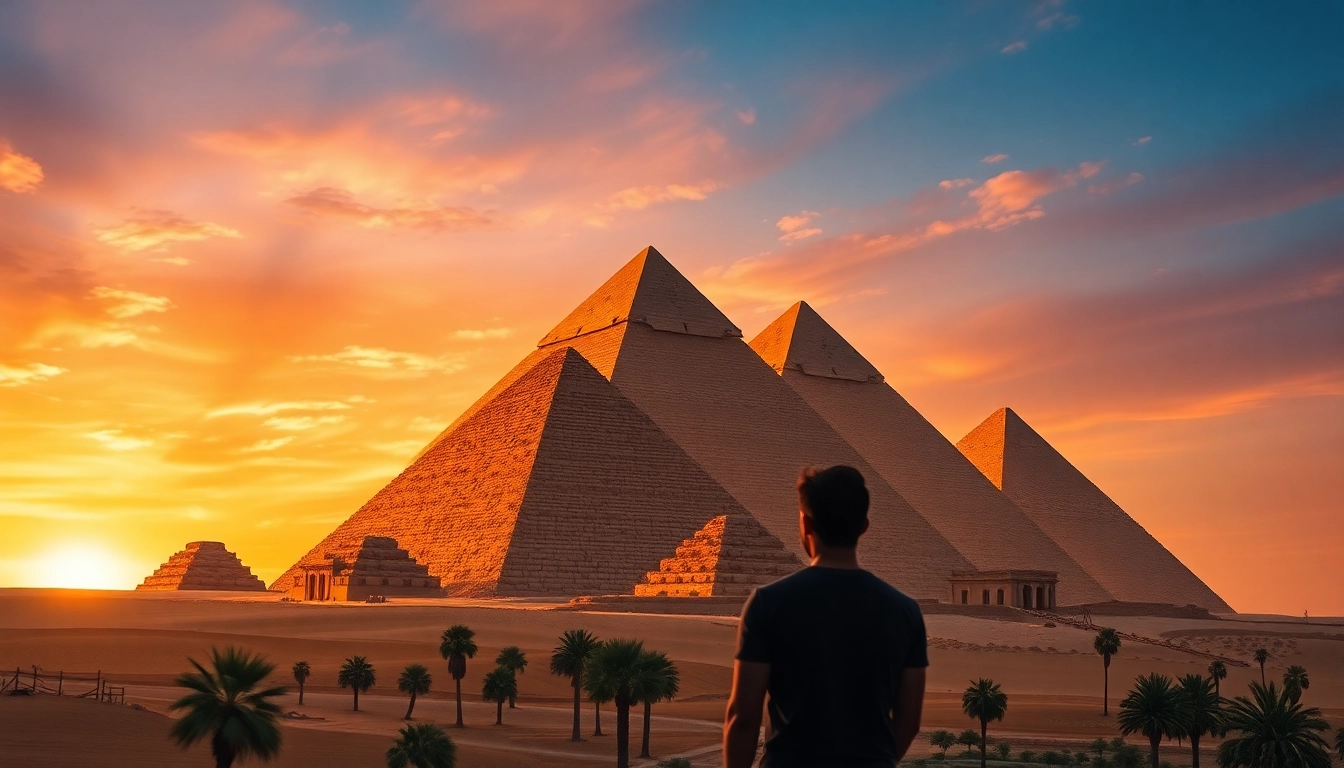
The Historical Context of Pyraminds
The concept of pyramids has captivated people’s imaginations for centuries. These monumental structures, primarily associated with ancient Egypt, symbolize both incredible architectural prowess and deep cultural significance. The piraminds represent a blend of spiritual aspirations and practical engineering, reflecting the values and beliefs of the societies that built them.
The Origins of Pyraminds
The origins of pyramids can be traced back to early tombs in Egypt known as mastabas. These flat-roofed, rectangular structures served as the first burial sites for the elite, evolved over millennia into the stepped structures that would lead to the smooth-sided pyramids we think of today. This evolution was not merely cosmetic; it was imbued with rich symbolism, connecting the deceased to the divine in a quest for immortality.
The Evolution of Pyramid Construction
As civilization advanced, so did their architectural techniques. The transition from mastabas to pyramids reflected a significant leap in engineering and design. The Step Pyramid of Djoser, constructed around 2630 BC, is considered the first monumental stone structure, laying the groundwork for future elaboration and refinement of pyramid design. The transition to true pyramids—characterized by their smooth sides—was finalized during the Fourth Dynasty, exemplified by the iconic Pyramids of Giza.
Key Figures in Pyramid History
Several notable rulers and architects played pivotal roles in the construction of pyramids. Pharaoh Khufu, or Cheops, is perhaps the most famous, credited with the construction of the Great Pyramid at Giza, which remains one of the Seven Wonders of the Ancient World. His successors, Khafre and Menkaure, also constructed the following pyramids within the Giza complex, showcasing their determination to be remembered through monumental architecture.
Structure and Design of Pyraminds
The structure of pyramids is as fascinating as their history, exhibiting both complexity and engineering brilliance. Each pyramid was meticulously designed not only for aesthetics but also for functionality within the context of ancient Egyptian beliefs and practices.
Main Architectural Features of Pyraminds
Pyramids were not solitary structures; rather, they comprised complex architectural plans that included mortuary temples, causeways, and small pyramids for queens. The iconic shape symbolized the sun’s rays, suggesting a pathway for the pharaoh’s soul to ascend to the afterlife. The precise alignment of these structures with cardinal points demonstrated the Egyptians’ sophisticated understanding of astronomy.
The Functionality of Pyramids in Ancient Egypt
Pyramids served multiple purposes beyond that of mere burial places. They acted as religious structures where rituals and ceremonies took place, helping to ensure a safe passage into the afterlife for the pharaohs. The elaborate design included hidden chambers and passageways, reflecting complex burial practices intended to protect the body and its belongings from tomb robbers.
The Symbolism Behind Pyramid Shapes
The shape of pyramids holds profound symbolic meaning. The triangular form, reaching towards the heavens, was thought to symbolize a stairway for the dead to ascend into the sky, merging earth with the divine. This design philosophy underlies many ancient cultures’ architectural endeavors, merging form and spirituality in a striking manner.
Cultural Importance of Pyraminds
Pyramids are not merely historical artifacts; they are vital cultural icons that encapsulate ancient Egyptian mythology, spirituality, and art. Their enduring nature contributes to their role as symbols of endurance and legacy.
Pyramids in Egyptian Mythology
Pyramids are entrenched in Egyptian mythology, particularly connected to the god Osiris, the deity associated with the afterlife. The structures were believed to facilitate the deceased’s journey into the afterlife, where they would reunite with Osiris. This connection underscores the pyramids’ role in the religious landscape of ancient Egypt, embodying the desire for eternal life.
Religious Significance of Pyramids
In ancient Egypt, the pyramids were sacred spaces, steeped in rituals and offerings. They served as focal points of worship and as symbols of the pharaohs’ divine right to rule. This religious importance is evident in the elaborate burial goods placed within the pyramids, intended to accompany the pharaoh into the afterlife and ensure his continued power and presence among the living.
Pyramids as Cultural Heritage
The pyramids have evolved into enduring symbols of ancient civilization, revered as part of the global cultural heritage. Their architectural innovation and historical significance inspire awe and respect, making them not just national treasures of Egypt but universal icons of human ingenuity and cultural achievement.
The Modern Perspective on Pyraminds
Today, pyramids are subjects of intensive study and analysis, reflecting both historical reverence and modern curiosity. Their status has transitioned from royal tombs to archaeological marvels, drawing millions of visitors annually.
Current Research on Pyraminds
Contemporary research employs advanced technology such as ground-penetrating radar to explore the internal structure of these ancient edifices. Recent discoveries, including hidden chambers and lost passages, continue to shed light on pyramid construction techniques and the lifestyles of their builders. This ongoing inquiry serves to deepen our understanding of the complexity of ancient Egyptian civilization.
Tourism Impact on Pyramids
Tourism significantly impacts the preservation and economic status of pyramids, attracting millions of visitors who contribute to local economies. However, such popularity poses challenges, including wear from foot traffic and environmental effects. Maintaining the balance between tourism and preservation is crucial for ensuring these structures endure for future generations.
Preservation Efforts for Pyramids
Preservation efforts are essential to protect these ancient monuments from the ravages of time, pollution, and tourism. Organizations, both governmental and non-governmental, are actively engaged in restoring and maintaining the integrity of these sites, utilizing both traditional techniques and modern technology in their efforts. This global cooperative effort underscores the universal significance of the pyramids as a cultural heritage for humanity.
Frequently Asked Questions about Pyraminds
What are the pyramids primarily built for?
Pyramids were built as tombs for pharaohs, reflecting their beliefs in the afterlife, acting as gateways to spiritual ascension and immortality.
How were the pyramids constructed?
Pyramid construction involved advanced engineering techniques and the labor of thousands of workers, utilizing simple tools and immense organization.
What is the largest pyramid in Egypt?
The Great Pyramid of Giza, built for Pharaoh Khufu, is the largest pyramid in Egypt, showcasing remarkable engineering and alignment.
Are there pyramids located outside of Egypt?
Yes, pyramids exist elsewhere, including the Nubian pyramids in Sudan and Mesoamerican pyramids, showcasing diverse architectural traditions.
Why do pyramids hold historical significance?
Pyramids symbolize the architectural skill and spiritual beliefs of ancient Egyptians, representing human aspiration and permanence across millennia.