
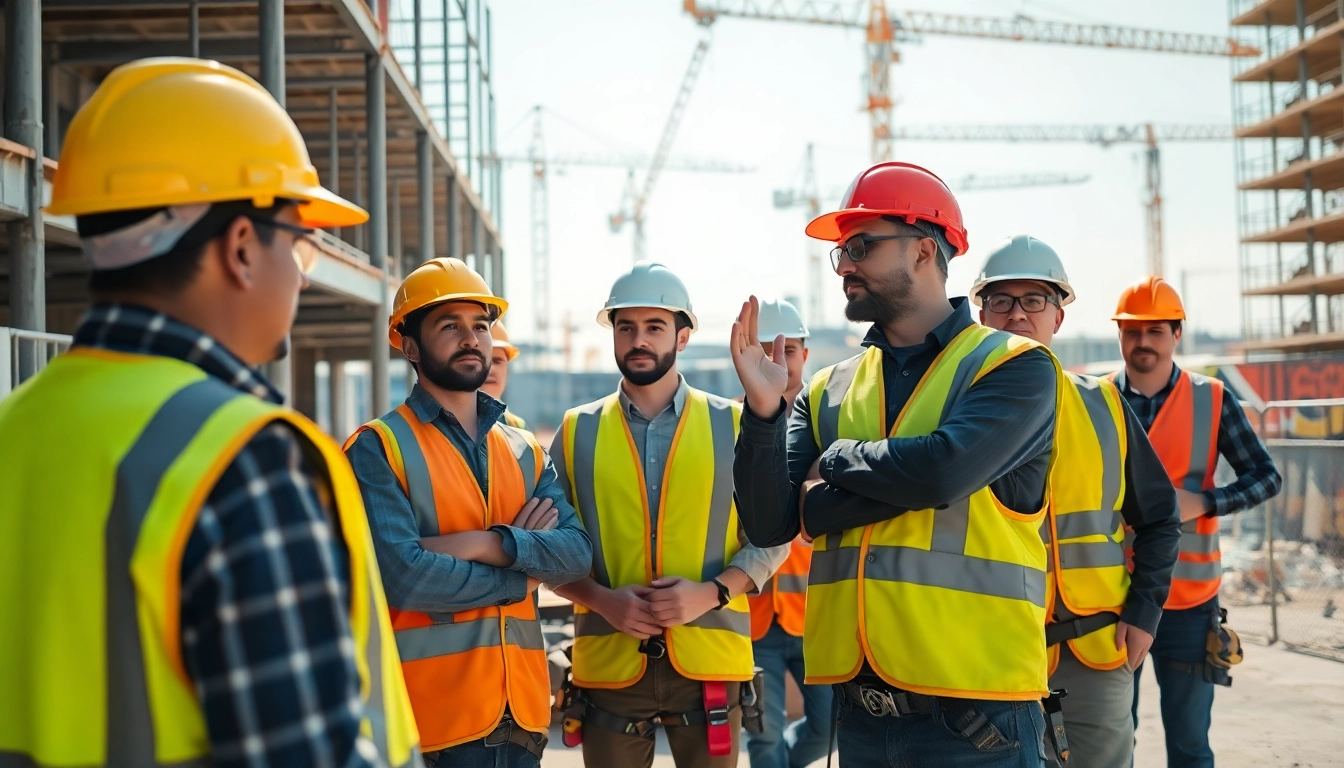
Understanding the Importance of Construction Site Safety
Construction sites represent some of the most dynamic and hazardous work environments, making construction site safety a critical consideration for all stakeholders involved. As industries evolve, so too do the challenges associated with maintaining a safe workplace. It is essential to recognize the fundamental importance of safety not just for compliance but for the overall productivity and well-being of workers and managers alike.
Defining Construction Site Safety Best Practices
Best practices in construction site safety encompass a wide array of protocols, procedures, and cultural norms designed to minimize risk. These include clearly defined roles and responsibilities for all personnel, ongoing training and education, proactive risk assessments, and effective communication channels among team members. Key best practices also involve regular site inspections, use of personal protective equipment (PPE), and a commitment to fostering a safety-first culture among the workforce.
Analyzing Risks in Construction Environments
To ensure adequate safety measures, it is imperative to identify potential hazards on construction sites. Risks can range from environmental hazards, such as weather conditions, to operational hazards, including the use of heavy machinery. A thorough analysis involves evaluating site plans, machinery specifications, and worker interactions. By conducting a comprehensive risk assessment, construction teams can build a proactive strategy to mitigate identified risks effectively.
Legal Requirements for Construction Site Safety
Understanding legal requirements related to construction site safety is vital. Various local, state, and federal regulations govern construction activities, aiming to protect workers from injuries and accidents. The Occupational Safety and Health Administration (OSHA) sets forth standards that must be adhered to, covering areas such as fall protection, electrical safety, and scaffolding. Regular audits and compliance checks ensure that construction sites meet these legal standards, safeguarding workers and limiting liabilities.
Key Elements of a Construction Site Safety Plan
Conducting Risk Assessments and Safety Audits
At the heart of an effective safety plan lies the conducting of thorough risk assessments and safety audits. Risk assessments help identify potential dangers, while safety audits evaluate the effectiveness of current safety measures. Implementing a systematic approach to these processes enables construction managers to prioritize actions, allocate resources wisely, and ensure that safety requirements are continuously met.
Implementing Safety Training Programs
Training programs are essential in promoting construction site safety. These programs should cover a wide range of topics, including equipment operation, hazard identification, emergency response, and PPE usage. Incorporating hands-on training, simulations, and refresher courses ensures that workers remain competent in safety practices. Additionally, construction companies should foster an environment where employees feel comfortable reporting safety concerns without fear of repercussions.
Establishing Emergency Response Procedures
Even with comprehensive safety measures in place, emergencies can still arise. Therefore, establishing clear emergency response procedures is crucial. These procedures should be well-documented, readily accessible, and regularly practiced through drills. Key elements to include are evacuation routes, communication protocols, and designated roles for workers during an emergency. Awareness of these procedures helps ensure a prompt and effective response to any crisis that may occur on-site.
Common Hazards in Construction and Safety Measures
Falls and Falling Object Incidents
Falls are among the leading causes of injuries and fatalities in construction. Adequate fall protection measures, such as guardrails, harnesses, and safety nets, should be implemented. Regular training on how to use these safety devices properly, along with site assessments to identify fall risks, can significantly reduce the incidence of such accidents.
Electrical Hazards and Safety Protocols
Electrical hazards are prevalent in construction sites where temporary power systems are often in use. Adhering to safety protocols, such as using ground-fault circuit interrupters (GFCIs), maintaining dry work environments, and ensuring proper training on electrical safety can mitigate these risks. Regular inspections of equipment and adherence to electrical codes is also essential for maintaining a safe work environment.
Tool Safety and Equipment Operation
The use of power tools and heavy equipment creates inherent risks. Mandatory safety training on tool operation, routine maintenance checks, and employing lockout/tagout procedures are key measures that help prevent accidents. Providing ergonomic tools and encouraging breaks can reduce the physical strain on workers, further contributing to a safer construction environment.
Innovations in Construction Site Safety Technology
Wearable Safety Devices and Monitoring
The rise of wearable technology has implications for enhancing construction site safety. Devices such as smart helmets equipped with sensors can monitor a worker’s vitals and detect dangerous exposure levels to substances. Additionally, real-time data can be transmitted to supervisors, allowing them to respond promptly if a worker’s safety is compromised.
Safety Management Software Solutions
Safety management software simplifies the process of monitoring safety compliance and organizing training and audits. Customizable dashboards and documentation tools allow construction managers to keep track of safety reports efficiently, ensuring all stakeholders are informed about any issues that may arise. This technology contributes to streamlining communication and fostering a culture of safety across the workforce.
Drones for Site Inspection and Risk Management
Drones are revolutionizing site inspections by providing aerial views and data collection on hard-to-reach areas. Their ability to quickly assess site conditions from various angles improves risk management significantly. By identifying safety hazards early, drones enhance the overall safety efforts implemented on construction sites.
Measuring the Effectiveness of Construction Site Safety Practices
Tracking Incident Reports and Safety Metrics
Measuring the effectiveness of safety practices requires diligent tracking of incident reports and safety metrics. Establishing KPIs, such as the number of incidents, near misses, and compliance rates, can provide invaluable insights into the efficacy of safety protocols. These metrics allow for the identification of trends, facilitating data-driven decision-making to improve safety strategies.
Continuous Improvement and Learning
Construction site safety is an ongoing process that requires continuous improvement and learning. Regularly reviewing past incidents, conducting feedback sessions, and updating safety protocols based on new findings can lead to significant advancements in practices. Encouraging a learning culture amongst workers fosters engagement and ensures that safety remains a priority.
Engaging Workforce in Safety Culture
A successful safety culture hinges on the active engagement of the workforce. Encouraging open communication about safety concerns, recognizing safe behaviors, and involving workers in safety planning initiatives can create a collaborative environment. By allowing workers to participate in the development of safety practices, construction companies can foster ownership and enhance compliance efforts.
FAQs About Construction Site Safety
What are the most common hazards on construction sites?
The most common hazards include falls, electrical hazards, falling objects, and tool-related injuries. Identifying these risks is essential for implementing effective safety measures.
How often should safety training be conducted?
Safety training should be an ongoing process, typically conducted during onboarding and followed by regular refreshers at least annually. This ensures all workers stay up-to-date on safety protocols.
What is a safety audit?
A safety audit is a comprehensive evaluation of safety practices and protocols at a construction site. It helps identify areas of improvement and ensures compliance with regulations.
Why is emergency response planning important?
Emergency response planning prepares workers for unexpected situations, providing clear procedures to follow. This minimizes confusion and improves the effectiveness of crisis response.
How can technology enhance construction site safety?
Technology like wearables, drones, and safety management software improves transparency, enables real-time monitoring, and enhances risk management efforts on construction sites.