Understanding Commercial Roofing Services
What are Commercial Roofing Services?
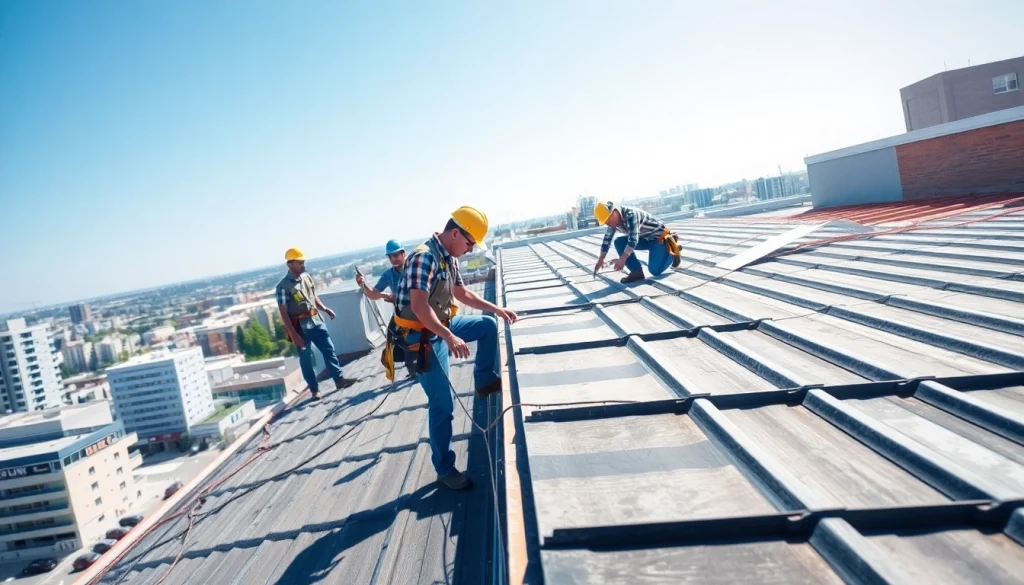
Commercial roofing services encompass a wide range of roofing solutions designed to meet the unique requirements of businesses, industrial facilities, and commercial properties. Unlike residential roofing, which often focuses on aesthetic appeal and straightforward designs, commercial roofing prioritizes functionality, durability, and adherence to specific regulations. This includes installation, repair, and maintenance of roofing systems made from materials such as metal, TPO (thermoplastic polyolefin), EPDM (ethylene propylene diene terpolymer), and built-up roofs that are specifically engineered to withstand the rigors of commercial environments.
The Importance of Quality Roofing for Businesses
A quality roof is a pivotal aspect of any commercial property. It protects the building’s interior from the elements, safeguards assets, and creates a safe environment for employees and customers. The repercussions of neglecting roofing maintenance can be severe, resulting in water damage, mold growth, and even structural failures. Moreover, a well-maintained roof can enhance the business’s overall appearance, boosting client confidence and potentially increasing property value. Investing in commercial roofing services ensures that businesses minimize long-term costs while maximizing the efficiency of their operations.
Common Types of Commercial Roofing Systems
When considering commercial roofing, various systems are available that cater to different building styles, climates, and budgets. Here are some of the most common types:
- Single-Ply Roofing: This includes materials like TPO and EPDM, which are highly durable and efficient in waterproofing. They are commonly chosen for flat or low-slope roofs.
- Metal Roofing: Offering strength and longevity, metal roofing systems are made from a variety of materials including steel and aluminum. They can significantly reduce energy costs due to their reflective properties.
- Built-Up Roofing (BUR): This traditional option consists of multiple layers of roofing felts, asphalt, and gravel. It’s an excellent choice for flat roofs that require increased moisture protection.
- Modified Bitumen: A form of asphalt roofing, modified bitumen systems offer increased flexibility and are often installed with a hot or cold adhesive.
- Green Roofing: Also referred to as living roofs, these systems incorporate vegetation into the roofing structure, promoting environmental sustainability and improving insulation.
Key Benefits of Commercial Roofing Services
Durability and Longevity of Commercial Roofs
One of the pivotal benefits of investing in commercial roofing services is the durability and lifespan of modern roofing materials. Many commercial roofing systems are designed to withstand extreme weather conditions, such as heavy rain, snow, ice, and high winds. For instance, metal roofs can last for decades with minimal maintenance, often exceeding the lifespans of traditional asphalt shingles. Additionally, advanced materials like TPO and EPDM offer robust resistance to UV rays and ozone, contributing to their durability and overall effectiveness in protecting your business.
Cost-Effectiveness of Regular Maintenance
Regular maintenance is crucial to prolonging the life of a commercial roof. Engaging in periodic inspections and maintenance can identify potential issues before they escalate into costly repairs or, worse, total replacements. A proactive approach not only saves money but also enhances safety. Many service providers offer comprehensive maintenance plans that can integrate inspections, cleaning, and minor repairs, allowing businesses to budget effectively and avoid unexpected expenses.
Energy Efficiency and Sustainability Measures
In today’s business climate, energy efficiency and sustainability are paramount. A well-insulated and reflective roof can significantly reduce energy consumption, leading to substantial savings on utility bills. Commercial roofing systems that meet energy-efficient standards contribute to a lower carbon footprint and may qualify businesses for green certifications or incentives. As sustainability becomes a priority for companies striving to improve their brand image, investing in eco-friendly roofing solutions can position businesses favorably within their industries.
Choosing the Right Commercial Roofing Contractor
What to Look for in a Roofing Contractor
Choosing the right commercial roofing contractor is crucial for the success of any roofing project. Businesses should look for contractors with a solid reputation, proven experience in commercial roofing, and appropriate licensing and insurance. Verified customer reviews and case studies can offer insight into the contractor’s reliability and quality of work. Additionally, inquire about their experience with different roofing materials and their ability to handle various project sizes.
Questions to Ask During the Hiring Process
When vetting potential roofing contractors, consider asking the following questions:
- What warranties do you offer for your materials and labor?
- Can you provide references from past clients with similar projects?
- What is your estimated timeline for the project, and how do you handle delays?
- How do you ensure safety for your crew and my property during the roofing process?
- What payment options and financing plans do you offer?
Understanding Project Timelines and Expectations
Clear communication about project timelines is essential for managing expectations. A professional contractor should provide a detailed proposal outlining every phase of the roofing project, from initial consultation and material selection to installation and final inspection. Establishing expectations on both sides can facilitate a smooth working relationship and prevent misunderstandings that could impact project completion.
Common Challenges in Commercial Roofing Services
Identifying Leaks and Damage Early
One of the primary challenges in commercial roofing is detecting leaks and damage early. Small issues, when ignored, can lead to major problems such as water damage, mold growth, and compromised structural integrity. Regular inspections and the use of advanced technologies, such as infrared cameras or moisture detection systems, can help assess roof conditions and spot leaks early, allowing for timely interventions.
Weather Impacts on Roofing Projects
Weather can significantly influence roofing projects. Adverse conditions, such as heavy rain, high winds, or extreme temperatures, can delay installations and affect material performance. Experienced contractors anticipate weather challenges, planning accordingly. They may schedule work during more favorable conditions and ensure materials are adequately prepared to withstand transient weather variations.
Managing Costs and Budget Constraints
Budget constraints are a common challenge faced by businesses, especially those with limited resources. To manage costs effectively, companies should work with their contractors to set realistic budgets and explore financing options or tiered services. An in-depth quote outlining materials, labor, and potential extra costs will help provide clarity on expected expenditures, allowing businesses to strategize their investments better.
Future Trends in Commercial Roofing Services
Innovations in Roofing Materials and Techniques
The commercial roofing industry is evolving rapidly with innovations in materials and techniques that improve durability, efficiency, and sustainability. New synthetic materials offer superior performance, while advancements in installation technology, such as prefabricated components, streamline the building process, reducing labor costs and time.
Smart Roofing Technologies and Monitoring Systems
As the integration of technology into every aspect of business continues, smart roofing technologies are gaining traction. These systems may include IoT (Internet of Things) sensors that monitor roof conditions in real time, allowing for predictive maintenance based on actual data rather than scheduled inspections. Such innovations can reduce downtime and extend the lifespan of the roofing systems considerably.
The Shift Towards Green and Sustainable Practices
Environmental sustainability is shaping the future of commercial roofing. There is a growing preference for eco-friendly materials and systems that provide insulation and reduce energy consumption. Green roofs and energy-efficient installations not only serve environmental purposes but can also grant businesses tax incentives and enhance their public image, making them more appealing to eco-conscious consumers.