
Understanding the Basics of Mirror and LED Lights
Mirrors have long been a staple in home décor, providing not only functionality but also a sense of style and elegance. When combined with mirror and led lights, they offer an innovative solution for illuminating spaces efficiently while enhancing aesthetics. This article will delve deep into the world of LED mirrors, exploring various types, benefits, energy efficiency, and practical tips for installation and maintenance.
What Are LED Mirrors?
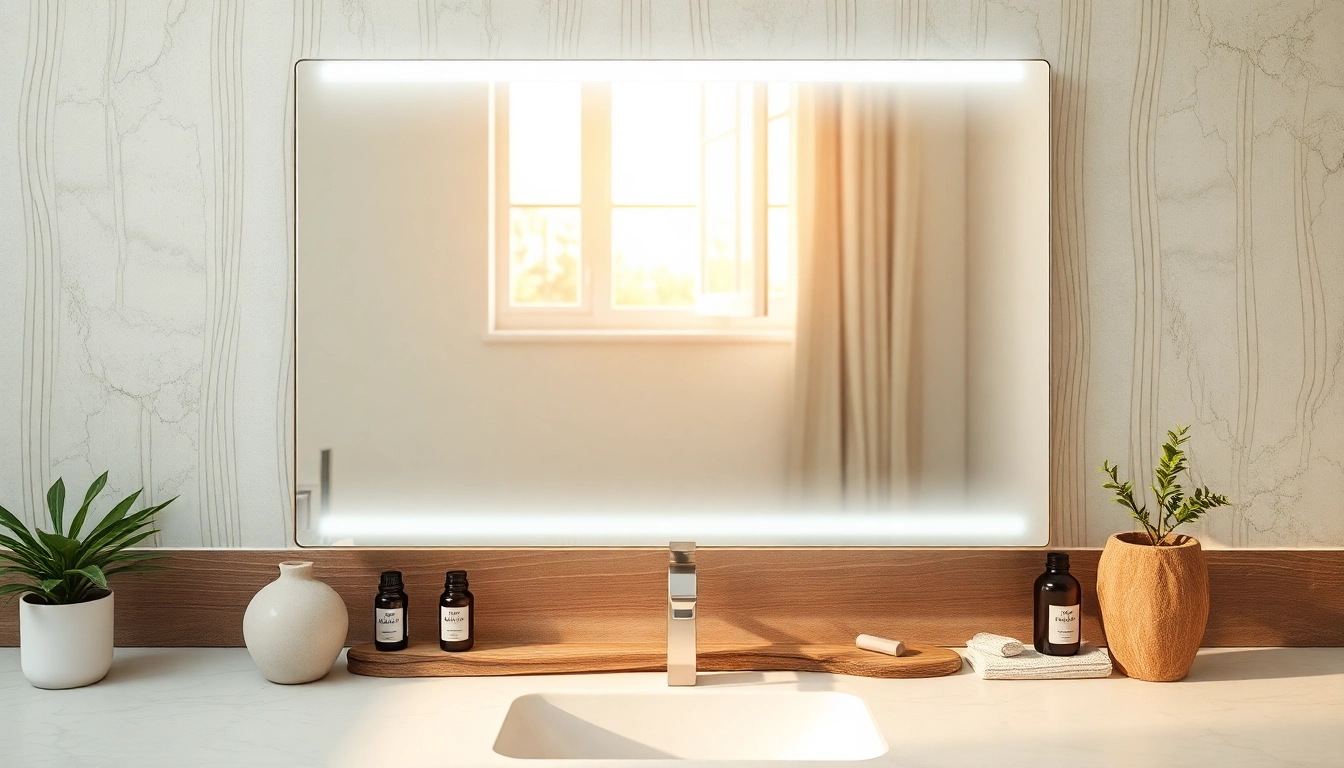
LED mirrors are enhanced reflective surfaces integrated with light-emitting diodes (LEDs) that provide backlighting or halo effects. These mirrors are not just conventional mirrors; they come equipped with advanced features such as dimming options, color temperature settings, and sometimes even smart technology that can connect to your home automation systems. Their design enables ambient lighting that is both functional and stylish, making them perfect for modern interiors.
Benefits of Using Mirrors with LED Lights
- Enhanced Visibility: LED mirrors provide bright, even lighting that improves visibility, essential for personal grooming tasks.
- Energy Efficiency: LED technology is more energy-efficient than traditional lighting, leading to reduced electricity bills.
- Design Versatility: Available in numerous styles and designs, LED mirrors can complement various décor themes.
- Space Enhancement: They can create an illusion of space, making smaller rooms appear larger and brighter.
- Chromotherapy Options: Some LED mirrors offer adjustable color temperatures to influence mood and ambiance.
Types of LED Mirrors Available
LED mirrors come in a variety of styles tailored to different preferences and requirements. Some popular types include:
- Backlit Mirrors: LED lights are positioned behind the mirror, providing a soft glow that adds depth.
- Front-lit Mirrors: These have LEDs on the front or sides, creating a more even distribution of light directly in front.
- Smart Mirrors: Equipped with digital features such as time display, weather updates, and Bluetooth connectivity.
- Magnifying Mirrors: Ideal for detailed tasks, these mirrors often feature adjustable LED lighting for close-up clarity.
Choosing the Right Mirror and LED Lights for Your Home
Factors to Consider Before Buying
When selecting mirrors with LED lights, several crucial factors should be considered:
- Size: Ensure the mirror’s dimensions are appropriate for the space where it will be installed.
- Light Brightness: Look for options that offer adjustable brightness to cater to different lighting needs.
- Installation Method: Determine whether you prefer wall-mounted, freestanding, or integrated options.
- Power Source: Check if the mirror is battery-operated or needs to be wired into your home’s electrical system.
Matching Styles with Décor Themes
Choosing the right LED mirror also requires attention to existing décor themes. Here are some suggestions:
- Modern Style: Opt for sleek, frameless mirrors with clean lines.
- Traditional Style: Choose mirrors with ornate frames that fit into classic interiors.
- Industrial Style: Use mirrors with metal frames and exposed bulbs to enhance the raw aesthetic.
- Minimalist Style: Select simple, functional mirrors that prioritize utility and simplicity.
Energy Efficiency in LED Lighting
One of the leading advantages of LED technology is its energy efficiency compared to traditional incandescent bulbs. LED lights consume significantly less power—up to 80% less—and have a longer lifespan of approximately 25,000 to 50,000 hours. This longevity translates to fewer replacements and lower maintenance costs. When selecting LED mirrors, look for those certified by energy standards to ensure maximum efficiency and sustainability.
Installation and Maintenance Tips
How to Install an LED Mirror Safely
Installing an LED mirror requires careful consideration to ensure safety and functionality:
- Read the Instructions: Always begin by reviewing the manufacturer’s guidelines for specific installation steps.
- Use the Correct Tools: Gather necessary tools such as a drill, level, and screwdrivers for wall-mounted models.
- Power Connection: If electrical work is needed, ensure the power source is turned off and consider hiring a professional electrician.
- Secure Fastening: Always use the correct anchors and screws for your wall type to ensure the mirror’s stability and safety.
Maintaining Your Mirror and LED Lights
Proper maintenance extends the life of your LED mirror and ensures optimal performance:
- Regular Cleaning: Use a soft, non-abrasive cloth to avoid scratching the mirror surface.
- Check Wiring: Periodically inspect electric connections for wear and tear or loose connections.
- LED Lifespan: While LED lights last long, monitor for any dimming, which could indicate that replacement is necessary.
Common Issues and Troubleshooting
If you encounter problems with your LED mirror, consider these troubleshooting tips:
- Flickering Lights: This often indicates a poor connection or outdated wiring.
- Uneven Lighting: Ensure the mirror’s installation is level, which can affect light distribution.
- Mirror Fogging: Utilize anti-fog coatings or keep the room well-ventilated to prevent condensation.
Creative Ways to Incorporate Mirror and LED Lights
Bathroom Ideas for LED Mirrors
LED mirrors significantly enhance bathroom aesthetics and functionality. Consider these ideas:
- Double Vanity Mirrors: Use two backlit mirrors in a double vanity for a modern look.
- Frameless Designs: Enhance minimalistic themes with frameless models that seamlessly blend into the wall.
- Color-Changing Options: Utilize smart mirrors that allow you to change the light color according to mood or time of day.
Using Mirrors and LED Lights in Other Areas
Beyond bathrooms, LED mirrors can be creatively used in various spaces:
- Entryways: Incorporate a large mirror with LED lights to create a welcoming light-giving space as guests arrive.
- Living Areas: A decorative LED mirror can act as a statement piece, adding both dimension and style.
- Closets: Install LED mirrors in closets for enhanced visibility while dressing and organizing.
DIY Projects for Unique Installations
For the creatively inclined, DIY projects can lead to stunning LED mirror installations:
- Framed Mirrors: Create a custom frame with added shelving to hold your makeup and accessories.
- Decorative LED Strips: Customize an existing mirror using LED strip lights to create unique light designs.
- Magnetic Fixtures: Build a magnetic light system that lets you reposition lights as needed.
FAQs about Mirror and LED Lights
What features should I look for in LED mirrors?
Look for adjustable brightness, temperature control, energy efficiency ratings, built-in anti-fog features, and smart connectivity options.
Can LED lights really impact the look of my space?
Absolutely! LED lights enhance the aesthetic appeal, improve visibility, and create an inviting atmosphere in any room.
How energy-efficient are LED mirrors?
LED mirrors are highly efficient, using up to 80% less energy than traditional lighting, which translates to lower electricity bills and reduced environmental impact.
Are LED mirrors difficult to install?
Installation can be straightforward with proper tools; however, if electrical work is involved, hiring a professional is advised for safety.
Do LED mirrors require special maintenance?
They require similar maintenance as standard mirrors—regular cleaning and periodic checking of electrical components to ensure longevity and performance.