
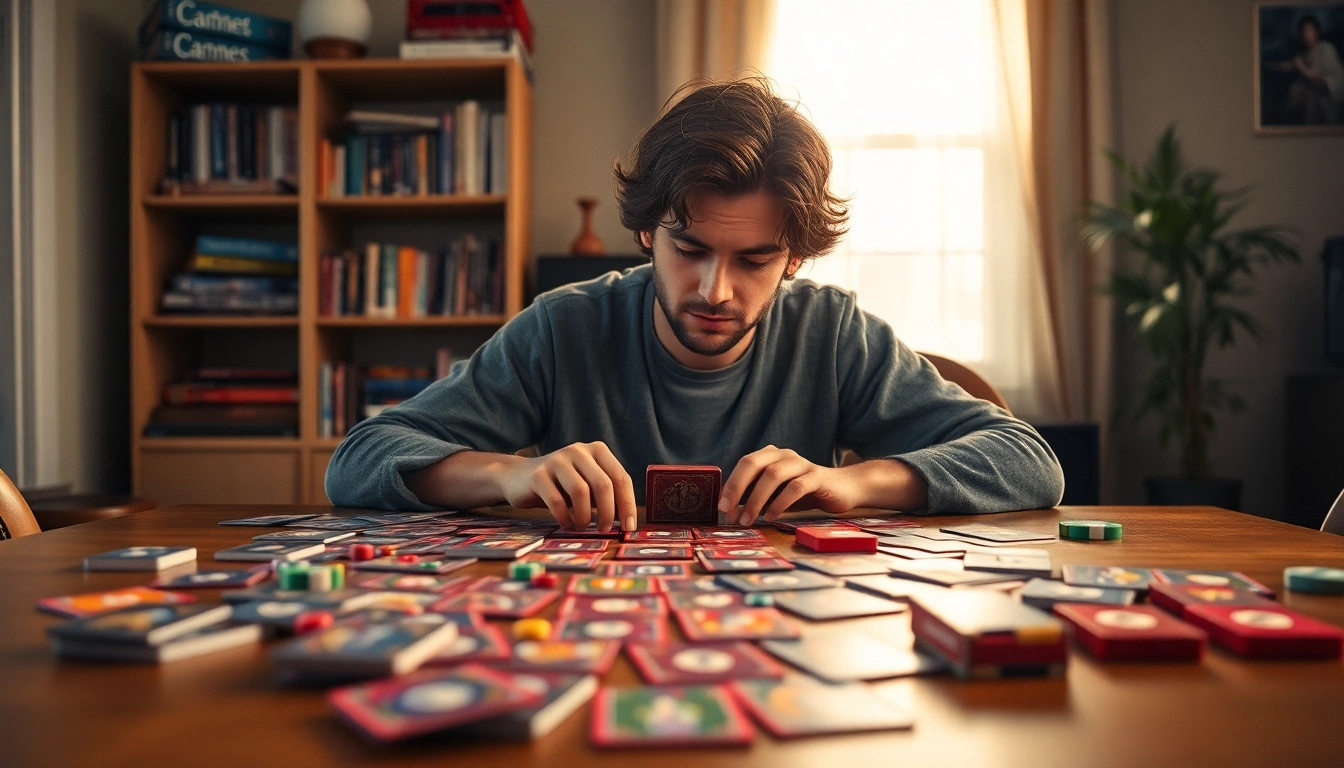
Introduction to Games to Play by Yourself
In a world where connection often means crowded spaces, embracing solitude through immersion in Games to play by yourself can be an enriching experience. These games provide an opportunity to engage your mind, explore creativity, and enjoy personal time without the need for group dynamics. The shift towards solitary gaming has gained momentum as more individuals recognize its therapeutic benefits and cognitive enhancements.
The Joy of Solitary Play
Solitary play has a unique charm that captivates both young and old. It allows for unfiltered creativity and introspection. Whether it’s a complex strategy board game or a simple card game, the joy derived from solitary play is rooted in complete autonomy. Players define the rules of engagement; they set their pace, take risks, and celebrate personal victories. This aspect of solitary gaming fosters a deep sense of satisfaction and accomplishment.
Why Choose Games for Individual Play?
Games for individual play cater to a wide range of interests and preferences. They offer a perfect escape from daily routines, providing a much-needed break from screen time or social obligations. Individuals may also choose these games for the chance to improve skills like problem-solving, critical thinking, and creativity. Moreover, solitary games allow for flexibility in time management, making it easy to enjoy a quick session or a longer immersive experience, depending on one’s schedule.
Overview of Game Categories
To understand the vast world of games to play by yourself, it’s essential to categorize them into several distinct forms:
- Card Games: From classic solitaire to inventive solo card challenges, these games have stood the test of time.
- Puzzles: Puzzles come in various formats, including jigsaw, crosswords, and logic puzzles, catering to each individual’s interests.
- Single-Player Board Games: Many popular board games now offer solo modes, allowing one person to enjoy what was once group-focused gameplay.
- Video Games: The realm of gaming encompasses a wide range of solo video games that encourage adventure, strategy, and storytelling.
- Creative DIY Games: These include journaling exercises, craft-based games, or even self-created challenges that harness personal creativity.
Popular Solo Games to Explore
Card Games for One
Card games are often viewed as social experiences, but they can also provide hours of entertainment when played solo. Classic card games like Solitaire and FreeCell invite players to use strategic planning and logical reasoning to clear the board. Additionally, games like Clock Patience present a unique twist on traditional card formats, enhancing both challenge and enjoyment.
Puzzles and Brain Teasers
Engaging in puzzles is not just a leisurely pastime; it’s a workout for the brain. Jigsaw puzzles remain a popular choice, offering aesthetic satisfaction once completed, while brain teasers and logic puzzles test and enhance cognitive capabilities. Mobile puzzle apps like Sudoku or crossword puzzles allow for on-the-go engagement, ensuring that individuals can challenge themselves anytime, anywhere.
Imaginative Role-Playing Options
Role-playing games (RPGs) are typically associated with multi-player formats, but countless solitary RPGs exist that allow players to embark on grand adventures alone. These games emphasize storytelling and player choice, leading to unique experiences that change with every decision made. Tabletop role-playing games provide supplementary materials for solo play, inviting players to construct their narratives in limitless worlds.
Strategies for Maximizing Enjoyment
Setting Up an Inviting Game Space
Creating an inviting game space is essential to enhance the solitary gaming experience. Find a quiet area, free from distractions, and personalize it to reflect individual tastes. Comfortable seating, sufficient lighting, and organized gaming materials contribute significantly to a player’s comfort. Enhancements like calming background music or aromatic candles can further elevate the play environment, making every session enjoyable.
Balancing Challenge and Fun
Finding the right balance between challenge and enjoyment is key to a fulfilling gaming experience. Too easy a game may lead to boredom, while an overly challenging one can result in frustration. Therefore, understanding personal capabilities and gradually increasing difficulty can help maintain engagement. Utilizing various game modes or difficulty settings can ensure players stay challenged while still having fun.
Incorporating Creativity into Play
Incorporating creativity into games not only enhances enjoyment but also fosters personal growth. Players can modify existing games by creating house rules or developing their unique versions. Alternatively, integrating storytelling elements or alternative settings into gameplay can make familiar games feel fresh. Collaboration with other solitary gamers through forums can also encourage new ideas and inspire innovative gameplay methods.
Benefits of Playing Games Alone
Enhancing Problem-Solving Skills
Playing games independently develops critical problem-solving skills. Players are faced with challenges that require strategic thinking, pattern recognition, and logic. For instance, games like chess or complex card games engage the mind, enhancing analytical skills that can be applied in daily life. As players navigate through obstacles alone, they gain confidence in their ability to think critically under pressure.
Stress Relief and Self-Reflection
One of the most significant benefits of solitary gaming is its potential for stress relief. Engaging with games provides a welcomed distraction from life’s pressures. The immersive nature of many games encourages mindfulness, enabling players to redirect focus away from anxiety. Moreover, solitary play captures opportunities for self-reflection, allowing individuals to explore thoughts and emotions during gameplay.
Building Self-Discipline Through Games
Self-discipline is a vital skill nurtured through solo gaming. Setting targets and striving to achieve them instills a sense of accountability. Whether it’s completing a challenging puzzle or mastering a card game, players develop the persistence needed to overcome obstacles. Achievements in solitary play cultivate a growth mindset, empowering players to believe in their capabilities both in games and real life.
FAQs About Games to Play by Yourself
What are the best games to play alone?
Some of the best include solitaire card games, jigsaw puzzles, and solo board games. Each offers unique challenges for individual play.
How can I enjoy games more by myself?
Create a comfortable gaming environment, set personal goals, and immerse yourself in the story or challenge of the game.
Are there online games designed for solo play?
Yes, many websites and apps offer engaging solo games, including strategy games, trivia, and interactive storytelling experiences.
Can playing games alone improve my skills?
Absolutely! Solo games often enhance skills like critical thinking, decision-making, and creativity.
What supplies do I need for solo gaming?
Supplies may vary, but generally, you’ll need the game itself and a quiet, comfortable space. Snacks and drinks can enhance the experience!