
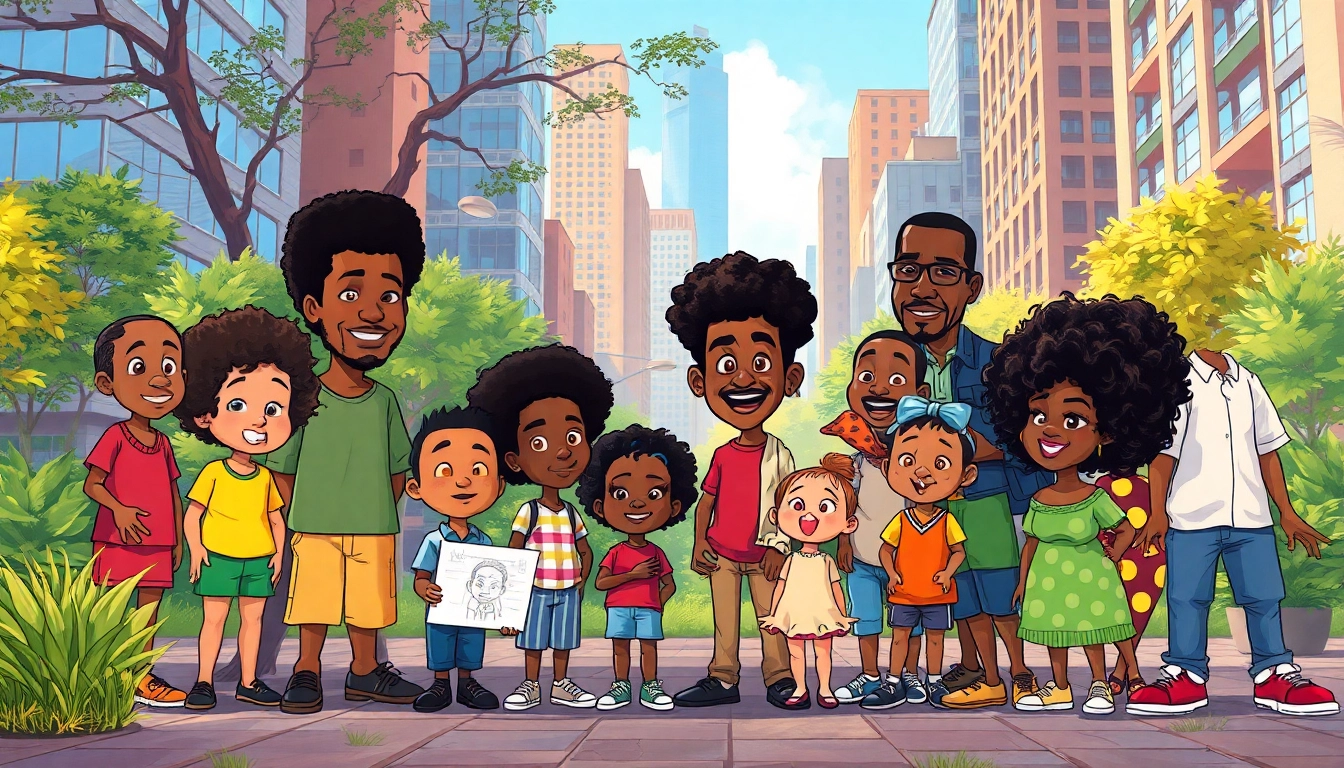
Understanding African American Cartoons
African American cartoons have carved a unique niche within the animation industry, serving not just as entertainment, but also as platforms for cultural expression and representation. This genre encompasses a rich tapestry of narratives, characters, and artistic styles that reflect the diverse experiences of African Americans. With their roots deeply embedded in the historical context of both animation and civil rights movements, these cartoons have played a vital role in shaping societal perceptions and fostering inclusivity.
As audiences continue to seek out authentic portrayals of Black culture in media, African American Cartoons have become increasingly relevant and prevalent. From classic animations that defined previous generations to innovative modern series, this genre showcases the evolution of storytelling and cultural representation in animation.
The Historical Context of African American Animation
The journey of African American cartoons began long before the first Black character appeared on screen. From the oppressive caricatures of the early 20th century to the emergence of more nuanced representations in the late 20th century, the animation industry has had a complicated relationship with race. Shows like “Fat Albert and the Cosby Kids,” created by Bill Cosby in the 1970s, aimed to present relatable, culturally rich stories that resonated with African American audiences. This shift marked a vital turning point in how animated narratives could address social issues while entertaining viewers.
Key Characteristics of African American Cartoons
African American cartoons often feature distinctive stylistic elements and themes that celebrate Black culture. These include:
- Cultural Authenticity: Stories reflect the lived experiences and traditions of African Americans, often incorporating elements of folklore, history, and daily life.
- Diverse Character Representations: A wide range of characters, from everyday heroes to mythical figures, resonate with viewers of all ages and backgrounds.
- Social Commentary: Many series use humor and satire to tackle serious issues such as racism, identity, and socio-economic challenges, making them relevant and thought-provoking.
The Impact on Culture and Representation
The impact of African American cartoons extends beyond entertainment. They serve as powerful tools for cultural education and identity formation, especially among children. By showcasing characters that look and sound like them, these cartoons empower young viewers and foster a sense of belonging. Shows like “The Proud Family” and “Doc McStuffins” have been praised for their emphasis on family values, self-acceptance, and the importance of friendship, while also highlighting the richness of African American culture.
Top African American Cartoons to Watch in 2026
As we move into 2026, the landscape of African American cartoons continues to evolve. Here’s a look at some must-watch series that highlight the diverse narratives emerging in this genre.
Classic Cartoons that Shaped Generations
Several classic shows have left an indelible mark on animation and pop culture:
- Fat Albert and the Cosby Kids: A pioneering series that tackled serious themes through the lens of humor, teaching valuable life lessons.
- The Boondocks: Known for its sharp wit and social criticism, this animated series explores themes of race and identity through complex characters.
- The Proud Family: Celebrated for its focus on family dynamics and cultural heritage, it paved the way for more diverse storytelling.
Modern Favorites for Today’s Audience
In recent years, a host of modern cartoons have emerged, captivating both young and mature audiences:
- Craig of the Creek: This series embraces the spirit of adventure and friendship while showcasing African American kids in a relatable and positive light.
- Big Mouth: Tackling adolescent issues with humor and sensitivity, it features characters from various backgrounds.
- Harriet the Spy: A contemporary adaptation that highlights the importance of curiosity and understanding in a multi-cultural society.
Upcoming Releases to Look Forward To
The next few years promise to bring exciting new content in African American animation:
- Young Love: A spinoff of “Hair Love,” this series will explore the dynamics of a young Black family navigating life’s challenges.
- Boondocks Season 5: Fans are eagerly waiting for the return of this beloved series, which promises to tackle contemporary issues with its signature satire.
- The Proud Family: Louder and Prouder: This revival continues the stories of Penny Proud and her family, emphasizing friendship and cultural connections.
The Importance of Representation in Animation
Representation in animation matters significantly as it shapes perceptions and influences identities. African American cartoons have played a crucial role in this regard.
How African American Cartoons Influence Identity
Animation serves as a mirror reflecting society. For African American children, seeing characters that look like them can enhance self-esteem and foster positive identity development. These cartoons often encourage pride in one’s heritage and challenge negative stereotypes, contributing to a healthier self-image.
Breaking Stereotypes through Storytelling
By breaking away from traditional stereotypes, African American cartoons offer fresh perspectives on Black life. Series like “The Boondocks” and “The Proud Family” showcase multidimensional characters whose stories defy the monolithic portrayals often found in mainstream media.
Lessons from Iconic Characters
Iconic characters from African American cartoons have become role models for children and adults alike. Figures like Huey Freeman from “The Boondocks” embody intelligence and critical thinking, while Penny Proud demonstrates resilience and compassion. These characters teach invaluable lessons about empathy, courage, and social consciousness.
Creating Your Own African American Cartoons
The animation landscape is continuously evolving, and many individuals are inspired to create their own African American stories. Here are some essential steps to consider:
Steps to Develop Original Animated Characters
Creating compelling characters involves several crucial steps:
- Identify your message: What do you want to convey through your character? Think about their motivations, goals, and challenges.
- Research and draw inspiration: Look into African American history, culture, and folklore to create authentic narratives.
- Design your character: Visual representation is key. Make sure your character’s design reflects their personality and background.
Tools and Resources for Aspiring Animators
A variety of tools can help bring your cartoon ideas to life:
- Animation software: Programs like Adobe Animate and Toon Boom are popular choices for animators.
- Online courses: Websites like Coursera and Udemy offer courses in animation techniques and storytelling.
- Community groups: Joining forums or social media groups focused on animation can provide valuable feedback and support.
Collaboration within the Community
Collaboration is essential in animation. Partner with writers, artists, and other creators who share your vision to enhance your project’s quality. Networking within the African American animation community can lead to partnerships that enrich storytelling and creativity.
Future Trends in Animation Featuring African American Stories
The future of African American cartoons appears bright, with several trends shaping the landscape:
The Rise of Diverse Narratives in Mainstream Media
As audience demand for diverse narratives grows, more mainstream platforms are investing in African American stories. This shift will lead to greater representation across all genres, allowing for richer storytelling possibilities.
Technological Innovations Shaping Animation
Advancements in animation technology, including 3D animation and virtual reality, will expand storytelling techniques. Creators can explore new formats and methods to engage audiences in innovative ways, keeping stories fresh and exciting.
Predictions for African American Cartoons Beyond 2026
Looking to the future, we can anticipate a continuous evolution in the themes and narratives explored in African American cartoons. With more creators entering the field and audiences increasingly seeking diverse content, we may see:
- Increased experimentation: Expect new formats, such as interactive storytelling, that encourage viewer participation.
- Broader distribution: Streaming services and digital platforms will continue to champion African American stories, reaching global audiences.
- Heightened focus on mental health and social issues: As discussions surrounding mental health become more prevalent, expect to see these themes reflected in animated content.