Understanding the Importance of Children’s Vision
The health of a child’s vision plays a critical role in their overall development. As children grow, their ability to see clearly and understand the world around them is fundamental not only for their learning processes but also for their social interactions and emotional well-being. In fact, Our Children’s Vision is advocating for initiatives that aim to ensure that every child has access to the eye care they need to thrive.
The Link Between Vision and Learning
Vision is intrinsically tied to learning. Studies show that an estimated 80% of what children learn comes through their eyes. Consequently, any impairment in a child’s eyesight can significantly hinder their educational success. For instance, a child who struggles to see the blackboard or read a book may fall behind in school. Furthermore, the inability to see clearly can lead to frustration and a lack of engagement in classroom activities.
Teachers and parents should be aware of this connection and understand the importance of regular eye examinations. Identifying vision problems early can help address difficulties in learning, thus improving a child’s academic and social experience.
Common Eye Conditions in Children
Several common eye conditions can affect children, including:
- Amblyopia: Also known as “lazy eye,” amblyopia occurs when the brain favors one eye over the other, leading to reduced vision in the affected eye.
- Strabismus: This condition, often referred to as crossed eyes, occurs when the eyes are not properly aligned. It can affect depth perception and overall vision quality.
- Refractive Errors: Such errors include nearsightedness (myopia), farsightedness (hyperopia), and astigmatism. These conditions prevent light from focusing properly on the retina, requiring corrective lenses to rectify the vision.
- Congenital Eye Conditions: Some children may be born with eye conditions such as cataracts or glaucoma, which require early intervention.
Recognizing these conditions can help in taking timely action, ensuring that children receive the necessary treatments to correct their vision.
Long-Term Benefits of Healthy Vision
Prioritizing children’s eye health not only assists in their immediate learning challenges but also lays the foundation for a successful future. Children with healthy vision are more likely to excel academically, participate in sports and other activities, and develop better social skills. In addition, healthy vision reduces the likelihood of long-term health complications associated with untreated eye conditions, enhancing their quality of life as they grow into adulthood.
Our Children’s Vision: A Comprehensive Overview
The initiative, Our Children’s Vision, serves as a pivotal movement aimed at tackling the issue of uncorrected poor vision among children globally. This multi-faceted program focuses on collaboration among stakeholders, including healthcare providers, educators, and parents, to build a system of sustainable eye health for children.
Key Objectives and Goals
The primary goals of the Our Children’s Vision initiative include:
- Raising Awareness: Enhancing public knowledge regarding the impact of vision impairments on child development.
- Increasing Access: Ensuring that every child has access to necessary eye care and resources, regardless of socioeconomic status.
- Building Partnerships: Collaborating with organizations, governments, and communities to strengthen the healthcare infrastructure for children.
- Advocating for Policies: Influencing policy changes that promote child eye health at national and local levels.
By committing to these objectives, the initiative aims to create a world where all children have the opportunity to realize their full potential through healthy vision.
Strategies for Engaging Communities
Community engagement is crucial for the success of Our Children’s Vision. Various strategies include:
- Community Workshops: Organizing informational sessions where parents can learn about eye health and the importance of regular screenings.
- Collaborative Events: Partnering with local schools, health clinics, and community centers to host eye health fairs that provide free eye exams and educational resources.
- Social Media Campaigns: Utilizing social media to spread awareness about children’s vision issues and share success stories that inspire community action.
Bringing communities together creates grassroots support and raises awareness about the critical importance of addressing children’s vision health.
Partnerships with Health Organizations
Partnerships are vital to the implementation and expansion of effective eye health services. Collaborating with health organizations such as:
- Ophthalmology Associations: Offering expertise in eye care and providing resources for education and training.
- Non-profits focusing on child health: Aligning goals to provide comprehensive care beyond just vision health.
- Government Health Departments: Advocating for public policy changes that ensure funding and support for eye health initiatives.
Through these partnerships, Our Children’s Vision can leverage existing networks and enhance its reach and effectiveness in promoting children’s eye health.
Best Practices for Eye Care in Children
Implementing best practices in eye care for children is crucial for prevention and early detection of vision problems. Here are some key practices:
Regular Eye Exams: What to Expect
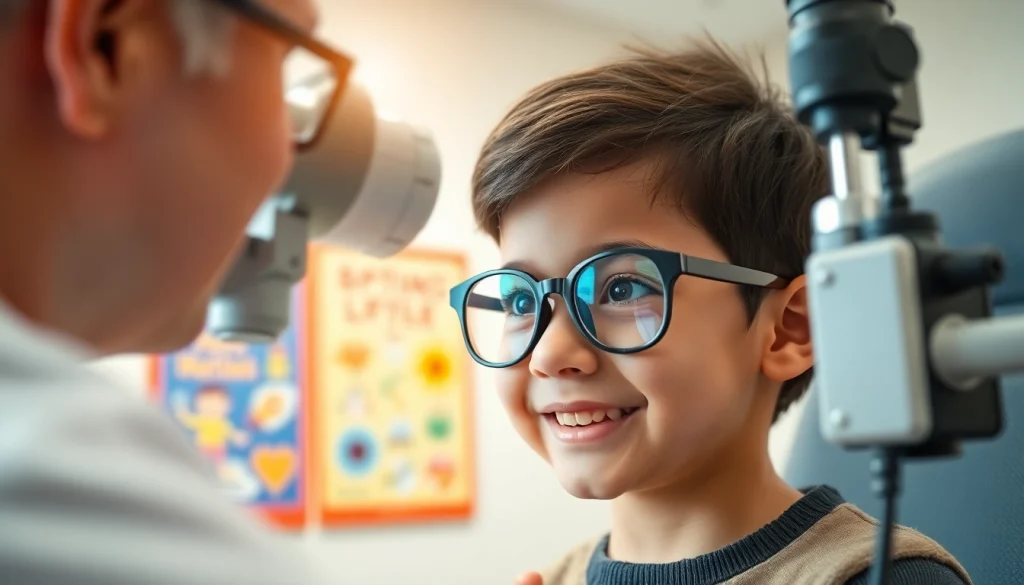
Regular eye exams are essential for maintaining children’s eye health. Parents should ensure that their children have comprehensive eye exams at least once every two years, or more frequently if recommended by an eye care professional. During an exam, eye care providers will assess vision, eye alignment, and overall eye health.
Parents can expect the following during an eye exam:
- Visual acuity tests to determine how well the child sees at various distances.
- Refraction tests to check for refractive errors.
- Eye health evaluations to detect any signs of disease or abnormalities.
Being proactive with eye exams can prevent serious issues that could affect growth and development.
Identifying Signs of Vision Problems
Parents and educators should be vigilant in identifying potential signs that may indicate a vision problem, such as:
- Squinting or tilting the head frequently while trying to focus.
- Complaining about headaches or eye strain after reading or doing homework.
- Difficulty seeing the board at school or activities that require distance vision.
- Frequent eye rubbing or fatigue.
Recognizing these signs early on can facilitate timely intervention, which is critical for child development.
Fostering Healthy Eye Habits
In addition to regular check-ups, cultivating healthy habits can also contribute to good eye health. Recommendations include:
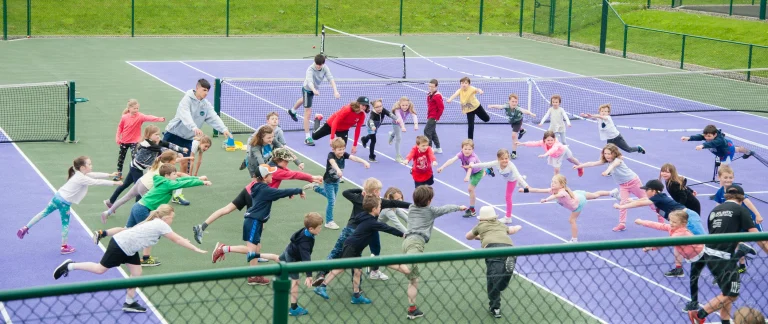
- Encouraging Outdoor Activities: Engaging in outdoor play has been shown to be beneficial in reducing the risk of myopia.
- Limiting Screen Time: Monitoring and limiting the amount of time spent on digital devices can help reduce eye strain.
- Teaching Protective Measures: Educating children on the importance of wearing sunglasses outdoors to protect against UV exposure.
Embedding these habits into daily life can promote better eye health among children and reduce the incidence of vision problems.
Community Outreach and Education
Outreach and educational programs are vital components of the Our Children’s Vision initiative. By informing and empowering communities, the program aims to reduce barriers to accessing eye care services.
Raising Awareness Through Campaigns
Awareness campaigns play a critical role in highlighting the importance of children’s eye health. These campaigns could be structured around:
- Informational brochures and materials distributed in schools and community centers.
- Public service announcements through local media to reach broader audiences.
- Interactive workshops and community events to educate families on eye health issues.
Raising awareness not only informs parents but also strengthens community support for children’s health initiatives.
School-Based Vision Screening Programs
Schools are an ideal place for screening programs due to their accessibility and the concentration of children. Implementing school-based vision screenings helps in:
- Identifying students who may need further eye evaluations quickly.
- Providing an opportunity for eye care professionals to educate students and parents about vision health.
- Creating a supportive environment where eye care becomes a community norm.
These programs can significantly impact the detection and treatment of vision issues at an early stage.
Empowering Parents and Caregivers
Parents and caregivers are the first line of defense in recognizing and addressing their children’s vision health. Empowerment through education involves:
- Providing resources and training so that parents can identify potential vision problems and understand when to seek help.
- Offering workshops on maintaining good vision habits and creating a supportive environment for children.
- Building a community of sharing experiences and advice regarding children’s eye health.
By empowering parents, the initiative aims to create a culture where children’s vision care is normalized and prioritized.
Measuring Impact: Success Stories of Our Children’s Vision
The impact of Our Children’s Vision can be measured through numerous avenues, including the number of children served, the reduction of vision problems, and success stories that highlight improvements in children’s quality of life.
Global Reach and Achievements
Our Children’s Vision has made significant strides in reaching millions of children worldwide. Through a combination of strategic partnerships and community involvement, the initiative has succeeded in:
- Providing access to eye care in underserved regions.
- Raising awareness globally about child eye health.
- Increasing the number of trained eye care professionals dedicated to pediatric care.
These accomplishments underline the initiative’s global influence and commitment to improving children’s vision health.
Case Studies of Improved Eye Health
Numerous case studies illustrate the success stories born out of the Our Children’s Vision initiative. For example, programs that provide eye screenings in schools have successfully identified and corrected vision problems for thousands of children. Overwhelming feedback from parents and teachers indicates that children who receive the appropriate vision care show remarkable improvements in academic performance, social interactions, and overall confidence.
Documenting these stories serves not only as motivation for continued efforts but also as valuable case studies that can be replicated in other regions.
Future Directions for Our Children’s Vision
The future of Our Children’s Vision looks promising as the initiative continues to grow and adapt to emerging challenges in child health. Key areas of focus include:
- Incorporating technology to facilitate remote screenings and consultations, particularly in areas lacking access to health care.
- Expanding educational campaigns to further engage communities and reduce stigma around vision impairment.
- Continuously evaluating and refining approaches based on data and feedback from the communities served.
By focusing on these future directions, Our Children’s Vision aims not just to address present challenges but also to foresee and mitigate future issues in child vision health.