
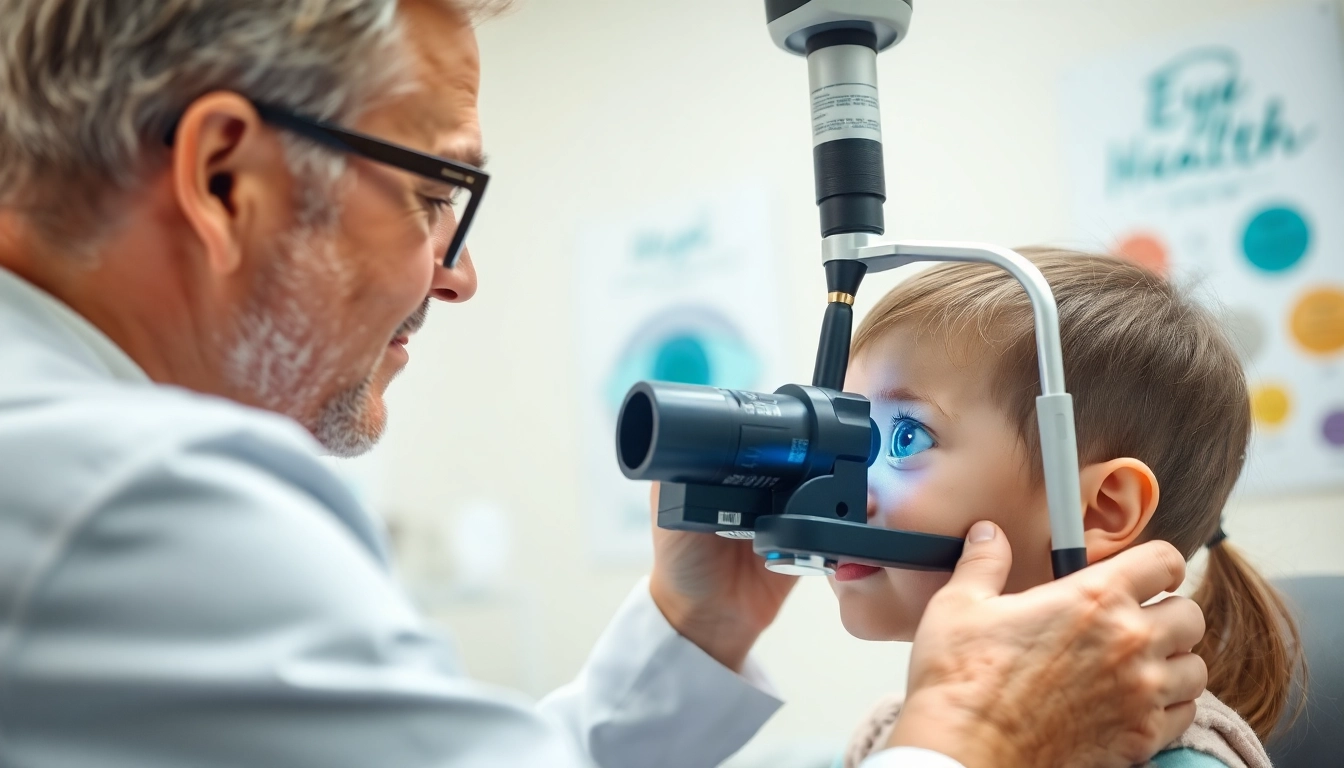
The Importance of Eye Care for Children
As the world continues to evolve, ensuring the health and well-being of our children remains a top priority. One of the most critical aspects of health that often goes overlooked is eye care. Proper vision is not just about seeing clearly; it influences every aspect of a child’s life, from learning in school to engaging in social activities and playing sports. The campaign, Our Children’s Vision, highlights the importance of advancing eye care practices to reach the millions of children globally who suffer from uncorrected vision impairments.
Understanding Vision Impairment in Children
Vision impairment in children can have profound effects on their development. It may manifest as difficulty reading the board in class, challenges in recognizing faces, or issues in engaging with peers. Globally, it is estimated that over 19 million children suffer from visual impairments. These conditions range from refractive errors, such as myopia and hyperopia, to more serious issues like amblyopia and strabismus.
The Role of Regular Eye Exams
Regular eye exams are critical in identifying and addressing vision problems early. The American Academy of Pediatrics recommends that children have their first comprehensive eye exam at 6 months of age, another at 3 years, and before starting school. This proactive approach enables the detection of serious conditions that can hinder a child’s ability to learn and interact effectively.
During these eye exams, trained professionals can assess visual acuity and screen for various eye conditions that might not be obvious to parents or guardians. Schools also play a vital role by providing vision screenings, which can serve as an initial check before a more comprehensive evaluation is needed.
Impact of Poor Vision on Development
Poor vision can lead to significant developmental delays. Children with vision impairments are at a higher risk for academic underachievement and can struggle with self-esteem issues. They might find it difficult to participate in sports and social activities, leading to increased isolation. This underscores the need for immediate intervention strategies, such as corrective lenses or surgery when necessary, to foster a more inclusive and supportive educational environment.
Common Vision Problems in Children
Understanding the common vision problems that children face can equip parents and caregivers with the knowledge to seek timely help. By being aware of the signs and symptoms, families can advocate for the necessary care their children need.
Identifying Symptoms Early On
Identifying vision problems early can make a significant difference in treatment and outcomes. Common symptoms to watch for include:
- Squinting or closing one eye to see better
- Frequent eye rubbing or irritation
- Difficulty focusing on distant objects
- Consistent complaints about headaches or eye strain
- Avoidance of close work or reading
Parents who notice these signs should consult an eye care professional promptly. Awareness of these symptoms can lead to interventions before the child encounters long-term challenges.
Types of Vision Disorders
Several types of vision disorders affect children, each requiring different management strategies:
- Myopia (nearsightedness): Common in school-aged children, myopia makes distant objects appear blurry while close objects remain clear.
- Hyperopia (farsightedness): This condition causes difficulty in seeing close objects clearly, often leading to eye strain and headaches.
- Amblyopia (lazy eye): This disorder occurs when one eye fails to develop proper vision, often due to misalignment or significant differences in prescription between the eyes.
- Strabismus (crossed eyes): A condition where the eyes do not properly align with each other, impacting binocular vision and depth perception.
Screening Recommendations
Regular screening is crucial to catch these issues early. The recommended schedule includes:
- At 6 months of age – Initial screening
- At age 3 – Comprehensive eye exam
- Before starting school – Thorough check for vision issues
- Throughout school years – Periodic screenings every 1-2 years, depending on the child’s needs
These recommendations help ensure that children receive the necessary attention and treatment, contributing to better health outcomes and enhancing their quality of life.
Best Practices for Eye Health
Promoting healthy vision among children requires balanced approaches. Simple changes in lifestyle can prevent many visual impairments and support overall eye health.
Nutrition and Eye Health
Nourishing a child’s body supports their eye health. A balanced diet rich in specific nutrients is vital for optimal eye function. Nutrients such as:
- Vitamin A: Essential for good vision and helps prevent night blindness.
- Omega-3 fatty acids: Important for eye development and may help prevent dry eyes.
- Leafy greens: High in lutein and zeaxanthin, antioxidants that protect the retina.
- Vitamin C: Supports overall eye health by preventing cataracts and age-related macular degeneration.
Incorporating these nutrients into children’s diets through fruits, vegetables, nuts, and whole grains can foster better health and vision.
Protective Measures and Screen Time
With the rise of screen usage in children’s daily lives, eye protection is more critical than ever. Some protective measures include:
- Encouraging regular breaks during screen time, following the 20-20-20 rule: Every 20 minutes, look at something 20 feet away for at least 20 seconds.
- Ensuring proper lighting in study areas to reduce strain.
- Utilizing blue light blocking glasses for prolonged screen exposure.
Parents should monitor and limit their children’s screen time to maintain a healthy balance between digital engagements and outdoor activities, promoting physical activity and social interactions.
Encouraging Healthy Habits
Instilling healthy habits can positively impact children’s eye health long-term. These habits may include:
- Encouraging children to play outside to support eye development.
- Instilling routine eye exams and promoting awareness about eye care.
- Teaching children about the importance of protecting their eyes during sports or in bright environments by wearing sunglasses or protective eyewear.
By fostering these healthy practices, families can contribute to better eye health in their children, laying the foundation for a brighter future.
Resources for Parents and Caregivers
Access to resources is vital for informed decision-making regarding children’s eye health. Various organizations and programs offer support, guidance, and assistance to families navigating the complexities of eye care.
Finding Qualified Eye Care Providers
Locating qualified eye care professionals can be a daunting task. However, several resources can aid parents:
- Consulting local health directories or websites dedicated to health services.
- Seeking referrals from pediatricians or family doctors.
- Exploring community health centers that may offer pediatric eye care services.
Finding the right care provider is crucial for ensuring that children receive proper eye exams and treatment in a supportive environment.
Financial Assistance and Programs
The cost of eye care can be a barrier for many families. Numerous programs exist to alleviate this burden, including:
- State-funded programs offering free or reduced-cost eye exams and glasses for those who qualify.
- Non-profit organizations focused on childhood vision health that may provide assistance or resources.
- Insurance plans that cover routine eye care as part of wellness benefits.
Exploring financial aid options enables families to prioritize their children’s visual health without financial strain.
Community Awareness Initiatives
Raising awareness about children’s eye health is necessary for community-wide change. Initiatives to consider include:
- Community outreach programs that host free vision screenings.
- Partnerships with schools to educate parents and children on the importance of regular eye care.
- Collaboration with local health departments to launch awareness campaigns focusing on childhood vision issues.
Engaging the community fosters collective efforts to improve access to eye care services and eliminate the barriers that keep children from receiving necessary treatments.
Future of Children’s Eye Health
The future of children’s eye health is bright, with innovations and research paving the way for improved care and prevention strategies. Staying informed and involved can significantly impact outcomes for children everywhere.
Innovative Solutions in Eye Care
The development of innovative solutions, such as telemedicine services, is transforming how eye care is delivered. These advancements can:
- Increase access to care, particularly in rural or underserved areas.
- Facilitate early detection of vision problems through digital screenings.
- Provide education through virtual platforms about eye health and preventive measures.
Such technology is redefining how families engage with eye care professionals, making necessary services more accessible.
Advancements in Pediatric Research
Ongoing research focused on childhood eye health continues to yield promising results, including:
- Studies exploring the genetics of vision disorders, leading to targeted treatments.
- Clinical trials assessing new therapies for conditions like amblyopia.
- Research on environmental factors affecting eye health, helping to identify actionable prevention measures.
As these advancements unfold, families can hope for better therapeutic options and improved understanding of childhood eye health issues.
How Parents Can Advocate for Better Care
Parents play a critical role in advocating for their children’s eye health. Actions can include:
- Engaging with local schools to ensure vision screenings are part of the routine health checks.
- Lobbying for policies that promote equitable access to eye care services for all children.
- Participating in local or national advocacy programs promoting children’s eye health awareness.
By taking a proactive stance, parents can influence positive changes within their communities that lead to better eye health outcomes for all children.