Understanding the Legacy of Alberto Vargas
Alberto Vargas is a name synonymous with the world of pin-up art. His iconic “Varga Girls” captured the essence of feminine beauty during a time when the world was embroiled in the throes of conflict and societal change. His artwork not only defined an era but also left an indelible mark on the culture of the 1940s and beyond. At the site https://www.esquirevargas.com, one can explore more about Vargas’s influence and contributions to the art world. From airbrushed centerfolds to watercolor illustrations, Vargas’s work was a reflection of a unique blend of artistic talent and cultural narrative.
The Rise of the Varga Girl in the 1940s
Alberto Vargas arrived in the United States in 1916, and his artistic journey was propelled when he started creating pin-up illustrations for Esquire magazine in 1940. The “Varga Girl” emerged during World War II, serving as a symbol of hope and beauty for troops and civilians alike. His depictions of women were sensuous yet tasteful, characterized by a sense of playfulness and glamour. These figures not only served as entertainment but were also a morale booster during hard times, making the Varga Girl an essential icon of the era. Vargas’s images often depicted women in alluring poses, yet they maintained an elegance and sophistication that distinguished them from the more explicit pin-up art of other artists.
Cultural Impact of Pin-up Art
The cultural significance of pin-up art is multifold. During World War II, pin-ups like those created by Vargas were seen plastered on the walls of barracks, ships, and planes, offering soldiers a reminder of home and the women they longed to return to. Vargas’s art played a part in shaping social attitudes towards femininity, portraying women not just as objects of desire but as figures of empowerment. Furthermore, pin-up art contributed to the burgeoning popularity of magazines like Esquire, which blended entertainment, fashion, and politics, reflecting broader societal changes in the perception of women’s roles.
Vargas’ Artistic Techniques and Style
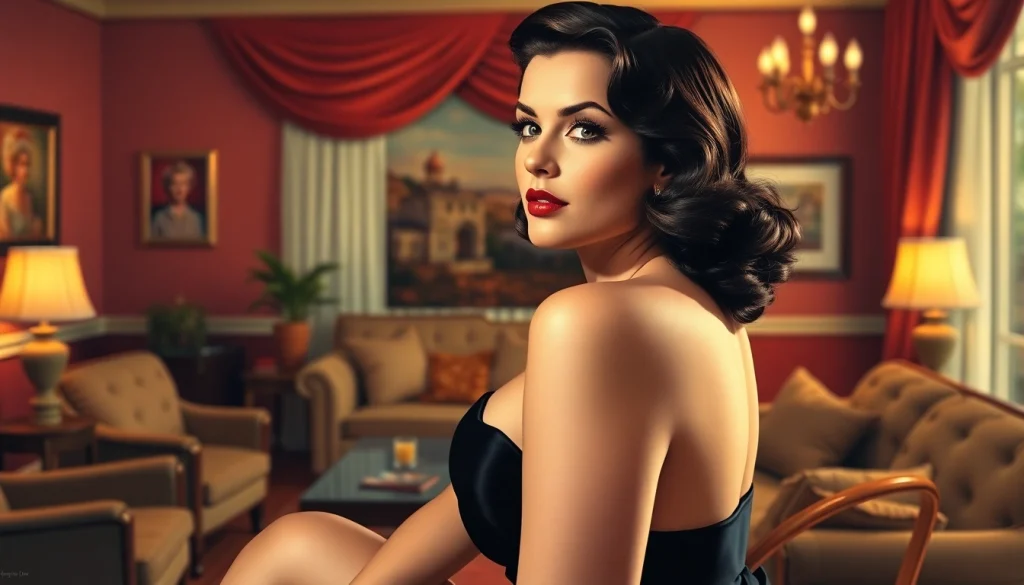
Vargas was a master of airbrush techniques, which he utilized to create smooth, detailed images that exuded a polished and ethereal quality. His use of vibrant colors and delicate detailing brought his subjects to life, embodying both glamour and realism. Vargas had a knack for depicting idealized features without losing the individuality of his models, and the fantasy he created resonated deeply with his audience. The incorporation of meticulous backgrounds in his pieces also added depth, creating a scene that complemented the subject rather than overwhelming it.
Exploring the Iconic Imagery and Style
Signature Elements of Vargas’ Work
Vargas’s signature style is identifiable by its combination of soft-focus effects and meticulous detailing. He often used lighting to create depth, rendering shadows that enhanced the three-dimensional form of his subjects. Additionally, his work typically features dynamic poses, often suggesting movement and a playful interaction with the viewer. The clothing, while often minimal, was chosen carefully to reflect the fashion trends of the day while still stressing the aesthetics of beauty and class.
Comparative Analysis with Other Pin-up Artists
When compared to peers such as Gil Elvgren and George Petty, Vargas’s approach stood out due to his emphasis on high fashion and painterly finesse. While Elvgren’s work leaned more towards humor and exaggerated scenarios, Vargas maintained a sense of sophistication and style that appealed to both men and women. This made his artworks timeless, as they often transcended the era to be appreciated long after their initial release.
Vargas’ Influence on Modern Art and Media
The legacy of Vargas continues to reverberate across contemporary art and media. Modern fashion photography often borrows from his techniques, utilizing similar framing, lighting, and posing to evoke an alluring atmosphere. Moreover, Vargas’s style has been a source of inspiration for graphic designers and illustrators seeking to capture the essence of classic femininity. Commercial art, album covers, and even motion pictures reflect Vargas’s influence, showing that his art remains relevant in today’s context of visual storytelling.
Collecting and Valuing Vargas Artworks
Market Trends for Vintage Pin-up Art
The collectibles market for pin-up art, particularly pieces by Alberto Vargas, has seen a dynamic resurgence in recent years. As demand for vintage aesthetics grows, collectors are becoming more active in seeking out authentic Vargas pieces. Online platforms and auctions are increasingly showcasing Vargas’s works, attracting a new generation of art enthusiasts who appreciate both the nostalgia and artistry of pin-ups. Trends indicate that well-preserved original pieces can command high prices, reflecting their value in both art historical and cultural contexts.
How to Identify Authentic Vargas Pieces
When it comes to collecting Vargas artworks, authenticity is crucial. Collectors should be familiar with Vargas’s profile, style, and common practices. Original works often have distinct features, including his signature, specific color palettes, and paper quality. Additionally, understanding the provenance of a piece, including gallery or auction histories, can provide authenticity assurance. There are also trusted experts and appraisers who specialize in vintage art who can assist collectors in identifying genuine Vargas artworks.
Displaying and Caring for Vintage Artwork
Proper care is essential for maintaining the integrity of vintage artworks. Collectors should ensure that Vargas pieces are framed under UV-protective glass to prevent fading and damage. Climate control is also critical; artworks should be kept in environments with consistent temperature and humidity levels. Regular maintenance, such as dusting with a soft cloth and avoiding direct sunlight, can prolong the life of pinned or framed pieces.
The Evolution of Pin-up Culture in Society
Changing Perceptions of Femininity
Pin-up culture has undergone significant transformation over the decades. The early depictions, largely influenced by artists like Vargas, celebrated a specific ideal of femininity rooted in glamour and sensuality. As society evolved, so did the representation of women in art. The rise of second-wave feminism led to increased scrutiny of how women were portrayed. Contemporary pin-up art often strives to be more inclusive and diverse, aiming to celebrate various body shapes, ethnicities, and styles, reflecting a broader spectrum of women’s experiences.
Pin-ups in Popular Culture Today
Today, pin-ups continue to capture the public’s imagination, evolving from mere aesthetic into icons of empowerment and confidence. Celebrations of pin-up culture can be seen at various events, from burlesque shows to retro-themed parties. Additionally, social media platforms have revived interest in vintage styles, leading to the emergence of modern ‘pin-up’ influencers who blend classic aesthetics with contemporary narratives about body positivity and self-empowerment. The influence of Vargas persists, inspiring artists and patrons alike.
Exploring the Fusion of Art and Media in Modern Contexts
The relationship between art and media has also evolved, with pin-up imagery increasingly appearing in various forms of advertising, film, and digital media. Artists now adapt classic pin-up concepts to modern settings and formats, merging traditional illustration techniques with digital artistry. This fusion creates innovative interpretations of the pin-up genre that resonate with modern audiences, showcasing Vargas’s enduring influence in an ever-changing landscape.
Resources for Further Exploration
Books and Publications on Alberto Vargas
For those seeking a deeper understanding of Vargas’s work and influence, there are numerous books and publications available. These texts delve into his artistic philosophy, cultural impact, and the historical context of his works. Comprehensive collections of Vargas’s art, along with critical essays from art historians, can provide invaluable insights for collectors and enthusiasts alike.
Online Communities and Forums for Collectors
Engaging with online communities dedicated to Vargas and vintage pin-up art can enhance one’s knowledge and appreciation. Various forums and social media groups exist where collectors share their findings, discuss trends, and sell or trade pieces. These communities offer a wealth of information and a connection with like-minded individuals who cherish the aesthetics and history of pin-up art.
Exhibitions and Events Highlighting Pin-up Art
Visiting exhibitions and events that focus on the pin-up genre can provide a hands-on experience of Vargas’s artistic legacy. Galleries often feature retrospectives of his work, providing context and highlighting how his art influenced contemporary genres. Attending conventions, art fairs, or themed exhibits can also serve as platforms for collectors to acquire new pieces and connect with experts in the field.