Understanding Yoga Mudras
What are Yoga Mudras?
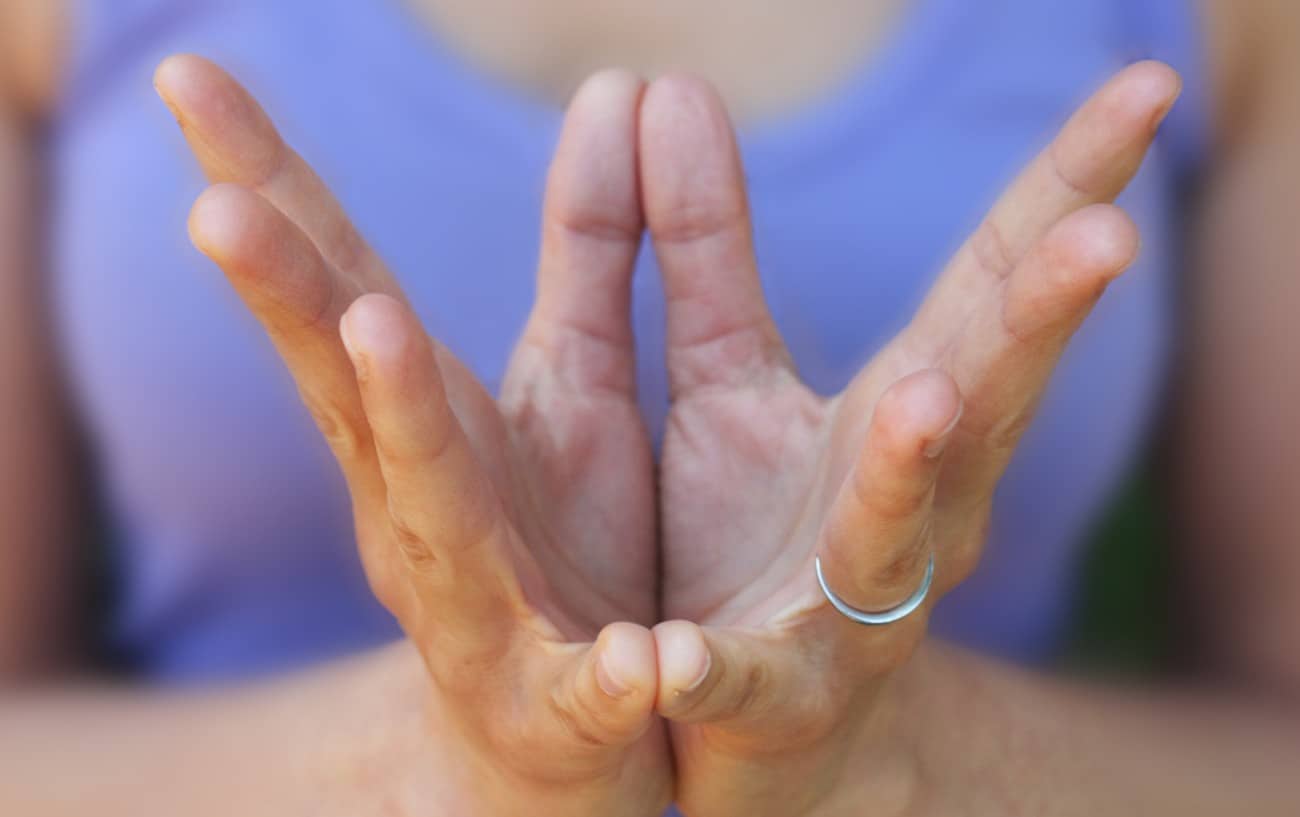
Yoga Mudras are symbolic gestures and hand positions that are integral to the practice of yoga and meditation. Originating from ancient spiritual traditions, these hand gestures are believed to channel the flow of energy in the body, enhancing physical, mental, and spiritual well-being. Each mudra corresponds to different elements and intentions, serving to unlock the benefits of yoga practice. For a detailed list of various Yoga Mudras, you can explore Yoga Mudras.
The Significance of Yoga Mudras in Practice
Yoga Mudras are more than mere hand positions; they symbolize deeper philosophical concepts and help practitioners align their physical bodies with their intentions. Practicing these gestures during meditation can facilitate the flow of prana (life energy), helping to achieve a state of balance and harmony within the body. The significance of mudras extends beyond physical representation, embodying holistic practices aimed at unifying the body, mind, and spirit.
Types of Yoga Mudras
Yoga Mudras can be classified into several categories based on their purpose and the areas of life they affect. Some primary categories include:
- Hasta Mudras: Hand gestures that direct energy flow.
- Shankh Mudra: Symbolizing the conch shell, used for communication.
- Prana Mudras: Associated with breath and vitality.
- Dhyaan Mudras: For enhancing concentration and meditation.
The Benefits of Practicing Yoga Mudras
Physical Benefits of Yoga Mudras
Practicing Yoga Mudras can result in a myriad of physical benefits. For instance, certain mudras can improve circulation, enhance digestive health, and even facilitate detoxification processes. By promoting harmony within the body's energy pathways, these gestures can alleviate physical ailments and increase overall vitality.
Mental and Emotional Benefits
The psychological impact of Yoga Mudras is profound. Mudras can help mitigate stress and anxiety, fostering emotional stability and resilience. By incorporating specific gestures into meditation, individuals can focus their intentions, leading to improved mental clarity and emotional regulation. This mental focus can pave the way for creativity and enhanced problem-solving skills.
Spiritual Aspects of Yoga Mudras
On a spiritual level, Yoga Mudras are believed to enhance one's connection with the divine and the universe. The practice fosters introspection, allows individuals to delve deeper into their spiritual selves, and promotes a sense of peace and grounding. Engaging with these mudras during meditation can facilitate a profound inner transformation, guiding practitioners towards enlightenment.
How to Integrate Yoga Mudras into Your Routine
Starting Your Yoga Mudra Practice
For beginners, incorporating Yoga Mudras into daily practice can begin simply. The recommended approach is to choose one or two mudras that resonate personally, and practice them regularly. It’s advisable to integrate mudras during seated meditation, aligning one's breath with the gesture to enhance effectiveness.
Combining Mudras with Breathing Exercises
Combining Yoga Mudras with pranayama (yogic breathing techniques) amplifies their effectiveness. For example, while practicing a specific mudra, engage in deep, rhythmic breathing to synchronize body and mind. This holistic approach not only boosts the efficacy of the mudra but also deepens the meditative experience.
Tips for Beginners
For those new to Yoga Mudras, consider the following tips:
- Start with simple mudras like Gyan Mudra or Chin Mudra.
- Be patient and observe your body's response as you practice.
- Maintain a regular practice schedule to build familiarity and comfort.
- Incorporate visualization techniques to enhance the power of each mudra.
Common Misconceptions About Yoga Mudras
Myths Surrounding Yoga Mudras
Many misconceptions surround Yoga Mudras, including the belief that they are solely for advanced practitioners. In truth, these gestures can be beneficial for anyone, regardless of skill level. Additionally, some may think that practicing mudras may replace physical exercise, but they are best used as a complementary technique.
Understanding the Science Behind Yoga Mudras
Recent studies into the science of Yoga Mudras reveal that these hand gestures can influence neurological activity and hormonal balance. The connection between physical gestures and brain function highlights the significance of mudras in promoting mental wellness and controlling stress responses.
Addressing Skepticism
It's common for skeptics to question the efficacy of Yoga Mudras. However, experiential evidence and anecdotal success stories underscore the transformative benefits of these practices. By approaching with an open mind and giving mudras a fair chance, individuals may discover profound personal benefits.
Frequently Asked Questions About Yoga Mudras
What is the best time to practice Yoga Mudras?
The ideal time to practice Yoga Mudras is during meditation or when you find quiet moments throughout the day, such as in the morning or before bedtime.
Can Yoga Mudras help with anxiety?
Yes, practicing specific Yoga Mudras can reduce anxiety and promote emotional stability by directing energy and focus within the mind and body.
Do I need to be a yoga expert to practice Yoga Mudras?
No, Yoga Mudras can be practiced by anyone, regardless of yoga experience. They are accessible and effective for beginners and advanced practitioners alike.
How long should I hold each Yoga Mudra?
It is recommended to hold each Yoga Mudra for 5 to 15 minutes, depending on comfort and intention. Focus on your breath during this time.
Are there any contraindications for Yoga Mudras?
While Yoga Mudras are safe for most individuals, those with specific medical conditions should consult a healthcare professional before starting any new practice.