Understanding Rail Systems
What are Rail Systems?
Rail systems are complex networks of tracks, trains, and supporting infrastructure designed to facilitate the efficient transport of passengers and goods across various distances. These systems utilize a combination of mechanical engineering, civil engineering, and advanced technology to ensure safer, faster, and more reliable transportation options. Linking cities and regions, rail systems play a critical role in the global economy, enhancing connectivity and promoting trade.
The Evolution of Rail Systems
The journey of rail systems began in the early 19th century, marked by the advent of steam locomotives, which revolutionized transportation. The innovations did not stop there; electric trains arrived in the late 19th century, followed by the introduction of high-speed rail in the latter part of the 20th century, greatly enhancing speed and efficiency. The evolution also includes the advent of modern signaling systems and automated technologies, culminating in today's sophisticated rail networks. Understanding this evolution is crucial for appreciating current and future developments in rail systems.
Importance of Rail Systems in Transportation
Rail systems are paramount in modern transportation due to their capability of moving large volumes of passengers and freight over extensive areas with remarkable efficiency. They offer several benefits: they reduce road congestion, minimize environmental impact, and provide reliable transport options during economic fluctuations. Moreover, rail transportation often appears as a sustainable alternative, contributing to broader mobility strategies that enable growth and urban development while maintaining ecological balance. Notably, integrating rail systems into regional transport solutions showcases their importance in improving overall transportation efficiency.
Components of Efficient Rail Systems
Track Infrastructure
Track infrastructure is the backbone of any rail system, consisting of rails, ties, and ballast that ensure stability and alignment. The choice of materials and design engineering plays a significant role in the longevity and durability of the tracks. Additionally, maintenance practices like regular inspections and timely repairs are critical to mitigating wear and tear, ensuring a safe and reliable transport option. Rail systems are increasingly incorporating technology into track maintenance—using sensors to detect potential faults and deploying drones for more efficient inspection methodologies.
Rolling Stock Essentials
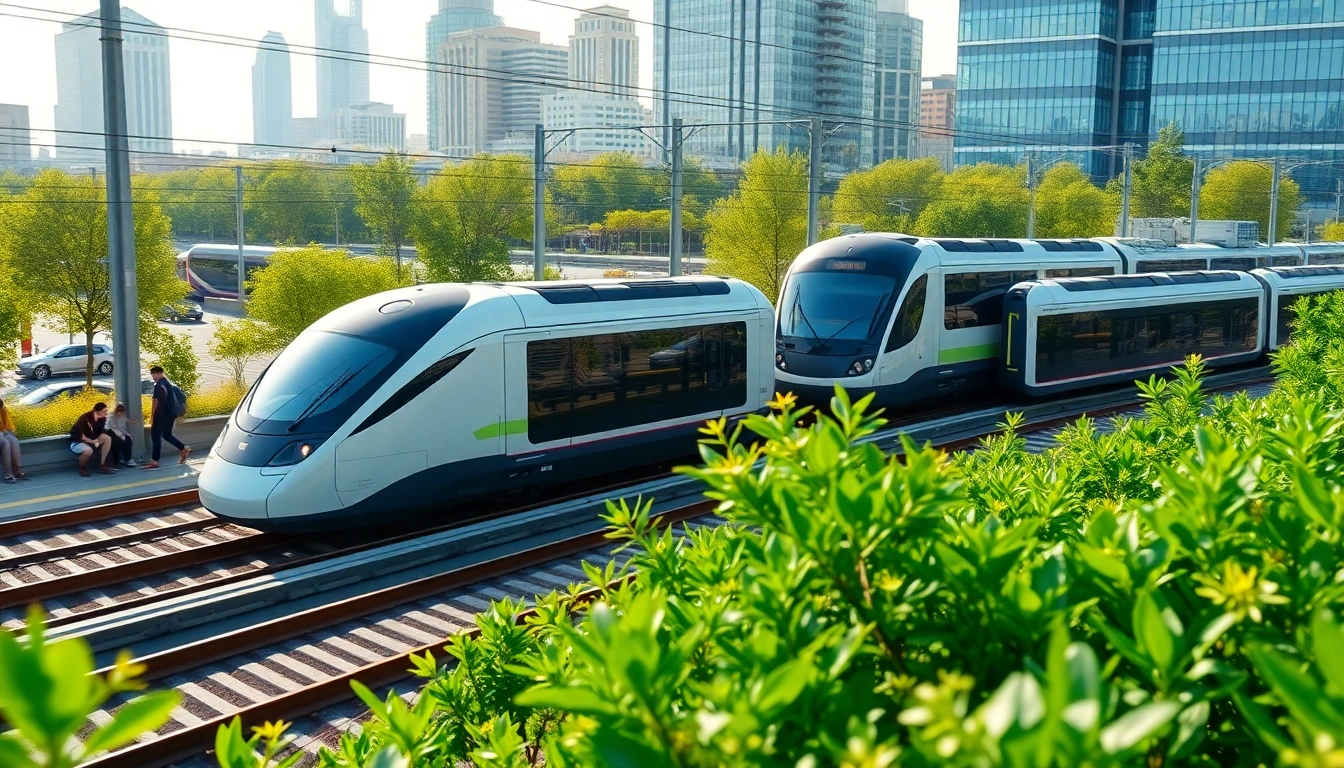
Rolling stock includes all the vehicles that move on the rail tracks, primarily trains and wagons. This component is essential as it directly affects capacity, speed, and safety. Trains today come in various forms, including passenger trains, freight trains, and high-speed trains, each designed for specific operational needs. Moreover, advances in technology have led to the development of lightweight materials and energy-efficient engines, optimizing performance and reducing operational costs. The efficiency and reliability of rolling stock are pivotal for an effective rail system.
Signaling and Communication Technologies
Signaling and communication systems are vital for the safe and effective operation of rail systems. Modern signaling technologies, such as the European Train Control System (ETCS) and Positive Train Control (PTC), enhance operational safety by providing real-time data to train operators. Communication technologies enable data exchange between trains and control centers, allowing for the timely relay of information regarding track conditions, delays, and passenger alerts. This systemic interconnectivity is crucial in ensuring a cohesive and responsive rail infrastructure.
Innovations and Trends in Rail Systems
Sustainable Practices in Rail Systems
Sustainability in rail systems has gained significant traction in recent years. Rail operators are increasingly adopting eco-friendly practices, such as electrification of train lines, utilization of renewable energy sources, and implementing energy-efficient designs in rolling stock. Additionally, sustainable practices also involve optimizing logistics through better route planning and load management, which reduces greenhouse gas emissions. These initiatives not only mitigate environmental impact but also lead to long-term cost savings for rail operators.
Technological Advancements
The rail sector is experiencing a wave of technological advancements that significantly enhance operational efficiency and passenger comfort. Artificial intelligence, machine learning, and data analytics are being integrated into operational practices, leading to improved decision-making processes. Enhancements in maintenance, driven by predictive analytics, allow for proactive measures to avoid breakdowns, thereby improving system reliability. Furthermore, mobile applications that offer ticketing, scheduling, and real-time updates are reshaping the passenger experience positively.
Passenger Experience Enhancements
Enhancing the passenger experience is a central focus for modern rail systems. Improvements such as onboard Wi-Fi, comfortable seating arrangements, and user-friendly ticketing systems are critical. Additionally, upgrades to stations—often referred to as transit hubs—are being made to include better amenities, including dining options, information kiosks, and waiting areas, making the journey more pleasant. The integration of feedback systems within these services allows operators to continually improve the passenger experience across various demographics.
Challenges Facing Rail Systems Today
Funding and Investment Issues
Despite the recognized importance of rail systems, funding remains a significant challenge. Many regions struggle to secure sufficient investment for maintenance and expansion projects, leading to service deficiencies. Creative financing solutions, public-private partnerships, and advocacy for government funding can be potential pathways to address these challenges. Developing a robust investment strategy is crucial for enhancing infrastructure resilience and sustainability.
Maintenance and Safety Concerns
Effective maintenance is crucial for ensuring safety in rail operations. Aging infrastructure presents a critical challenge, with many networks requiring substantial upgrades. Proactive maintenance programs, including advanced monitoring technologies and regular inspections, can mitigate risks. Safety concerns also extend to operational inefficiencies and accidents, which necessitate a continual assessment of safety protocols and training for personnel to reduce human errors and enhance overall system safety.
Adapting to Urbanization
Urbanization presents unique challenges for rail systems. As cities expand, demand for efficient public transportation systems rises, necessitating the adaptation of existing rail networks. The integration of rail systems into urban planning is essential; this includes developing transit-oriented projects, creating multimodal transportation hubs, and improving accessibility. Ensuring that rail solutions meet the urban population's needs effectively balances convenience with sustainability.
The Future Landscape of Rail Systems
Global Megatrends Affecting Rail Systems
Several global megatrends are shaping the future of rail systems. Climate change is driving the shift towards more sustainable transport options, pushing rail systems to become greener. Urbanization continues to accelerate, necessitating seamless integration between rail and other transport forms such as buses and bicycles. Additionally, demographic shifts, such as the aging population, compel rail systems to adapt their services to cater to all users, ensuring that mobility remains inclusive and accessible.
SmartRail Solutions: A Vision Ahead
The future of rail systems lies in adopting smart technologies. SmartRail solutions integrate IoT, big data, and artificial intelligence into operations, promising increased efficiency and safety. Real-time data analytics can streamline operations by predicting maintenance needs, optimizing scheduling, and managing resources. Moreover, smart ticketing systems can enhance user experience, catering to modern commuter preferences. These innovations represent a shift towards a more responsive and adaptable rail infrastructure.
Case Studies in Modern Rail Systems
Examining successful rail systems worldwide offers valuable insights. For example, systems in countries such as Japan and Germany exemplify efficiency, characterized by punctuality, cleanliness, and advanced technologies. The implementation of high-speed rail, such as the Shinkansen in Japan, showcases the advantages of fast and reliable rail services in fostering economic growth and regional connectivity. Learning from these case studies is critical for developing new rail systems that meet both current and future demands.
FAQs:
What defines modern rail systems?
Modern rail systems emphasize efficiency, safety, and sustainability through advanced technology and infrastructure.
How do rail systems contribute to urban transportation?
Rail systems provide reliable, high-capacity transport solutions, reducing road congestion and environmental impact.
What are the key components of rail systems?
Key components include tracks, rolling stock, signaling systems, and station facilities for passengers.
How is technology shaping the future of rail systems?
Innovations like automation, data analytics, and smart train technologies enhance operational efficiency and passenger experience.
What sustainability measures are rail systems adopting?
Rail systems are adopting green technologies, energy-efficient designs, and eco-friendly practices to minimize environmental footprints.