
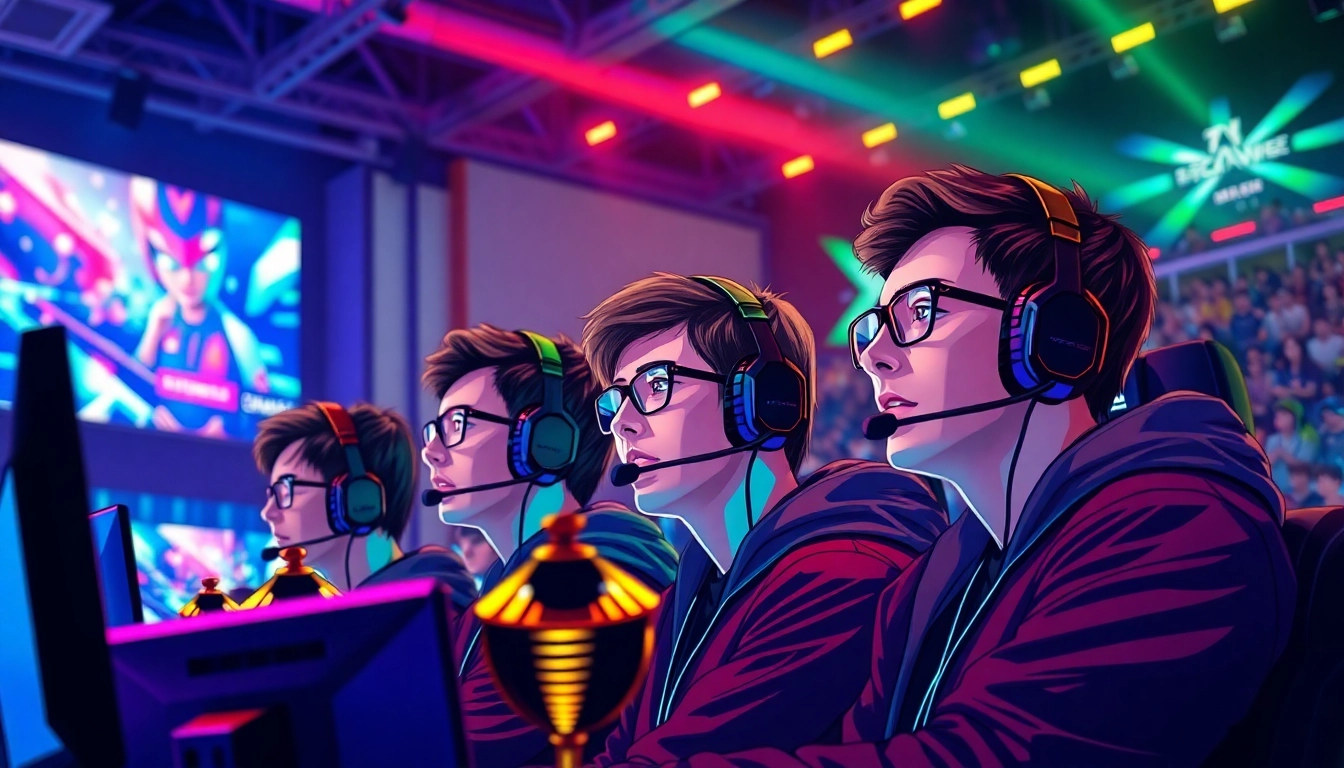
Understanding the Landscape of Esports
Esports has evolved from a niche hobby into a global phenomenon, captivating millions of fans and players worldwide. In this digital age, the virtual realm has transitioned from a place of casual enjoyment to a competitive battleground where skill, strategy, and passion merge. Platforms like https://gamelevate.com serve as essential resources for enthusiasts looking to stay informed on the latest developments in the esports arena.
Historical Overview of Esports Growth
The roots of esports can be traced back to the early arcade days of the 1970s and 1980s, where players gathered to compete for high scores on popular titles such as Space Invaders and Pac-Man. However, the true transformation of esports began in the late 1990s and early 2000s, with the advent of online multiplayer games. Titles like StarCraft and Counter-Strike paved the way for organized competitions and attracted substantial viewership.
As technology advanced, so too did the capabilities of broadcasting competitive gaming events. The introduction of streaming platforms, notably Twitch, brought esports into mainstream consciousness by allowing audiences to watch live tournaments and engage in community discussions. Today, professional leagues and tournaments attract sponsorships from major brands, leading to significant prize pools and global recognition for top players.
Key Players and Influencers in the Industry
Esports is shaped by a plethora of influential figures and organizations that drive its growth and popularity. Professional players, often referred to as 'pro gamers,' are the face of this industry. Icons like Faker in League of Legends and Dota 2's Dendi have amassed large followings and serve as role models for aspiring gamers.
Beyond players, organizations and teams play crucial roles, with entities like Cloud9, Team Liquid, and Fnatic carving out their reputations through performance and branding. Furthermore, game developers also influence the esports landscape by creating competitive ecosystems that support professional play, ensuring balanced gameplay, and investing in esports initiatives.
Popular Game Genres in Competitive Circles
The esports scene is diverse, with various game genres captivating audiences and competitors alike. First-person shooters (FPS) such as Counter-Strike: Global Offensive and Valorant dominate, requiring precision, teamwork, and strategy. Real-time strategy (RTS) games like StarCraft II also hold a prominent place, where players engage in tactical planning and resource management.
Multiplayer Online Battle Arenas (MOBAs) such as League of Legends and Dota 2 feature team-based gameplay, fostering competitive rivalries and strategic gameplay. Moreover, sports simulation games like FIFA and NBA 2K provide an avenue for fans to connect with their favorite sports in a digital format. With innovations continually emerging, the esports landscape is primed for ongoing growth and diversification.
Strategies to Succeed in Competitive Gaming
Success in competitive gaming demands more than just a passion for playing; it requires a well-rounded approach encompassing skill development, strategic thinking, and effective teamwork. Below are essential strategies that aspiring gamers can implement.
Essential Skills Every Gamer Should Master
Achieving proficiency in competitive gaming involves mastering various skills that enhance player performance. These can include mechanical skills, which encompass reflexes, hand-eye coordination, and proficiency with game mechanics. Understanding gameplay mechanics and mastering the controls of a game is critical for gaining an edge over opponents.
Additionally, cognitive skills such as critical reasoning, situational awareness, and strategic decision-making are paramount. Players must learn to analyze their surroundings quickly, anticipate opponents’ moves, and make split-second decisions that can impact the outcome of a match. Communication skills are also crucial, especially in team-based games where coordination among team members significantly influences success.
Building a Winning Team Dynamics
No player is an island in the world of esports; building a cohesive team is vital for sustained success. Team dynamics play a crucial role in achieving synchronization and leveraging the strengths of individual players. Selecting teammates that complement each other's play styles and personalities can lead to productive collaboration and improved performance.
Establishing effective communication protocols is essential to ensure that everyone is on the same page during matches. Regular practice sessions focused on team strategies and tactics can help develop synergy among players, fostering a winning mindset. It's also important to cultivate a positive atmosphere, promoting camaraderie and resilience, especially during challenging matches.
Analyzing Opponents: Tactics and Techniques
Successful gamers are not only adept at executing their strategies but also at analyzing the opponent's gameplay. This involves studying patterns, identifying weaknesses, and anticipating strategies employed by rival teams. Players can leverage tools such as replays and analytics software to dissect previous matches and enhance their understanding of their opponents' strategies.
Additionally, developing in-game tactics tailored to exploit specific vulnerabilities can provide a competitive advantage. Fostering adaptability ensures that players can modify their approaches mid-game, responding to unforeseen events and challenges effectively. Keeping a versatile play style also prevents opponents from predicting moves, ultimately leading to better outcomes during competition.
The Role of Streaming in Modern Gaming Culture
The rise of streaming has significantly transformed the gaming landscape, providing players an avenue to connect with audiences and build communities. Platforms like Twitch and YouTube have become essential tools in the esports ecosystem, shaping how fans engage with their favorite games and players.
How Platforms Influence Game Popularity
Streaming platforms act as catalysts for the popularity of games, influencing trends and shaping community engagement. When a game gains traction on these platforms, its audience and player base typically experience rapid growth. Engaging streams, high-quality gameplay production, and interactive chat features promote viewer investment and shared experiences.
Popular streamers serve as ambassadors for games, often bridging the gap between developers and the community. Game developers frequently collaborate with top streamers to promote new titles, updates, and events, leveraging their reach to attract potential players' interest.
Top Streamers to Follow for Insights
Keeping up with leading streamers offers aspiring gamers a wealth of insights into gameplay strategies, tactics, and community trends. These streamers not only display high-level gameplay but often share their thought processes, allowing viewers to learn and improve.
Following diverse streamers across various genres can enhance understanding of different play styles and approaches to competition. Many top streamers host educational segments or Q&A sessions, providing valuable opportunities for fans to gain knowledge directly from the pros.
Monetization Strategies for Aspiring Streamers
For those interested in turning streaming into a career, understanding monetization strategies is essential. Success on streaming platforms typically relies on creating a robust community and engaging with viewers. Streamers can monetize through avenues such as ad revenue, sponsorships, and viewer donations.
Building a clear brand and nurturing a loyal follower base allows streamers to attract sponsorship deals and collaborations with gaming-related companies. Additionally, diversifying income through merchandise sales or exclusive content subscriptions can create multiple revenue streams. Ultimately, establishing a solid presence on social media and maintaining consistent engagement with viewers is crucial in optimizing monetization efforts.
Upcoming Trends in Gaming Technology
As technology evolves, so does the gaming landscape, introducing exciting trends that impact gameplay and player experiences. Staying tuned into these trends can help gamers anticipate changes and evolve accordingly.
Impact of Augmented Reality in Esports
Augmented reality (AR) is gradually making its mark in the gaming world, blending the digital and physical realms to create immersive experiences. Games like Pokémon GO have showcased the potential of AR technology, combining real-world environments with virtual elements, which results in engaging gameplay.
In the competitive gaming landscape, AR could enhance player interactions and fan experiences. For instance, live tournaments might employ AR to provide spectators with additional information and visualization, enriching the overall viewing experience. The incorporation of AR technologies could also pave the way for innovative gameplay mechanics, pushing competitive boundaries further.
Machine Learning: The Future Companion for Gamers
Machine learning is revolutionizing various industries, and gaming is no exception. Advanced algorithms can analyze vast amounts of gameplay data, offering players tailored insights into performance metrics, game strategies, and opponent analysis.
Future advancements may include personalized coaching systems powered by AI, which can provide real-time feedback and suggestions during gameplay. This technology could lead to more effective training sessions for individual players, allowing them to refine their skills in a targeted manner. Furthermore, machine learning could enhance NPC (non-player character) behaviors, creating more dynamic and challenging gaming experiences.
New Hardware Innovations Enhancing Gameplay
The gaming hardware landscape is ever-evolving, with innovations continually enhancing player experiences. Modern gaming consoles and PCs offer unprecedented graphical fidelity, immersion, and performance, thanks to advancements in graphics processing units (GPUs), solid-state drives (SSDs), and high refresh rate monitors.
Emerging technologies such as VR (virtual reality) and haptic feedback devices are also reshaping gaming experiences. As hardware continues to evolve, gamers can expect even more interactive and engaging gameplay. These developments not only appeal to casual players but also attract competitive gamers looking for any edge they can gain in performance and environment.
Community Engagement and Fan Culture
The esports community thrives on engagement, fostering a culture of connections between fans, players, and content creators. This engagement amplifies the overall gaming experience and contributes to the ecosystem's growth.
Role of Social Media in Fostering Community
Social media platforms play a pivotal role in connecting gamers and organizing community events. They serve as a hub for discussions, sharing content, and promoting upcoming matches or tournaments. Esports-related hashtags on platforms like Twitter and Instagram foster community interaction, allowing fans to share their experiences and engage with one another.
Additionally, gaming forums and Discord channels facilitate deeper discussions, enabling players to share strategies, tips, and experiences beyond competitive matches. Building a sense of community enhances player engagement and loyalty, creating a supportive environment for growth.
Organizing and Participating in Local Tournaments
Local esports tournaments provide grassroots opportunities for players to showcase their skills and engage within the community. Organizing local events can foster camaraderie among players and create memorable experiences. These tournaments often attract a mix of amateurs and seasoned players, serving as a breeding ground for talent.
Participating in local tournaments promotes skill development and can lead to valuable connections within the gaming community. Players can gain insights into competitive play and get a feel for what it takes to compete at higher levels, motivating them to pursue their esports aspirations further.
The Future of Fan Interaction in Esports
As esports continues to grow and evolve, so too will the dynamics of fan interaction. The integration of interactive elements in live broadcasts, such as voting systems for in-game decisions or player interactions, can enhance viewer engagement. Moreover, exploring Virtual Reality streams could further immerse fans in the action, providing unique perspectives during live events.
Ultimately, the future of fan culture will hinge on fostering closer connections between players and supporters. Continuous engagement through innovative approaches will ensure that the esports community remains vibrant and inclusive, solidifying its place in the fabric of contemporary entertainment.