Understanding British Pond Plants
Creating a tranquil pond environment is an art that combines both aesthetic beauty and ecological balance. One of the most important aspects of pond creation is selecting the right flora. British Pond Plants are not only native to the UK, but they also bring numerous benefits, enriching both the aquatic atmosphere and the overall health of your pond ecosystem.
What Are British Pond Plants?
British pond plants refer to the diverse array of flora that naturally occurs in the ponds, lakes, and wetlands across the United Kingdom. These plants play a crucial role in maintaining the ecological balance of aquatic environments. They can be broadly categorized into three types: submerged, floating, and emergent plants. Each type offers unique advantages, from providing oxygen to the water to serving as habitats for various wildlife.
Benefits of Incorporating Pond Plants
- Water Quality Improvement: Pond plants absorb nutrients and filter pollutants, leading to cleaner water.
- Habitat Creation: They provide shelter and breeding grounds for aquatic fauna.
- Biodiversity Promotion: A variety of plants supports a diverse ecosystem, including beneficial bacteria and insects.
- Aesthetic Appeal: Attractive foliage and seasonal blooms can enhance the visual appeal of outdoor spaces.
Common Varieties Found in the UK
Some of the most commonly found British pond plants include:
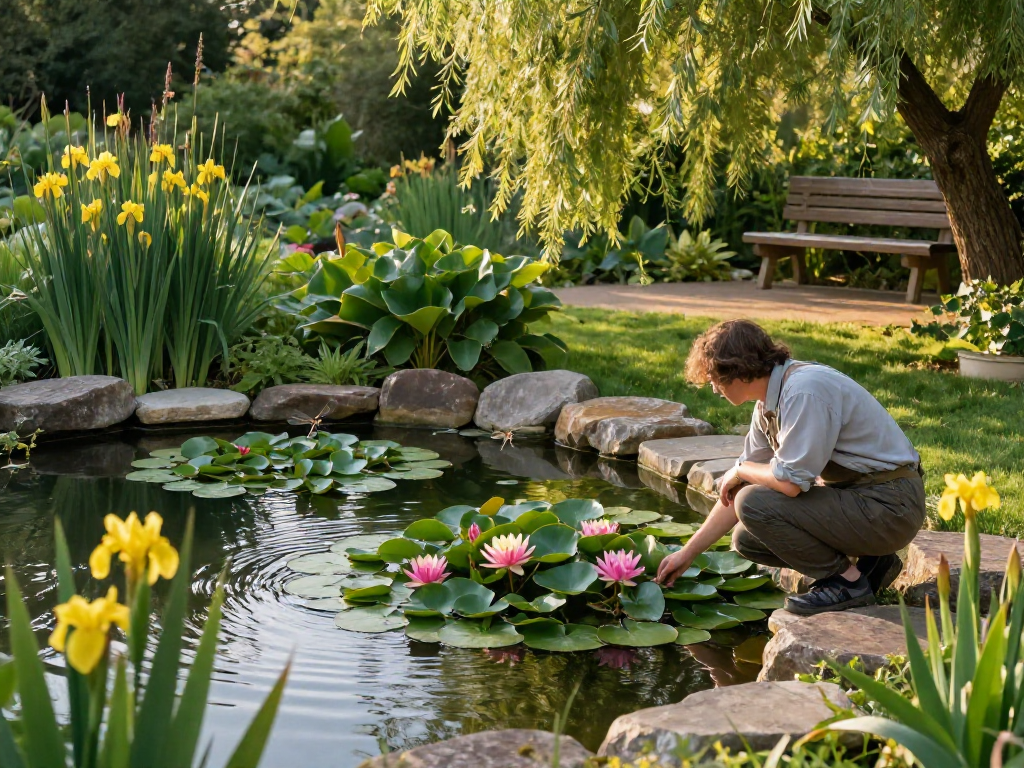
- Water Lily (Nymphaea): Known for their large, floating leaves and beautiful blooms, water lilies are staple features of many ponds.
- Reed (Phragmites australis): These tall grasses provide excellent habitats for wildlife and contribute to the pond’s filtration.
- Yellow Flag Iris (Iris pseudacorus): With their striking yellow flowers, these emergent plants thrive at the water's edge.
- Common Water Plantain (Alisma plantago-aquatica): This submerged plant offers a unique texture and helps with water quality.
Choosing the Right Plants for Your Pond
Selecting suitable plants for your pond involves understanding your specific environmental conditions and aesthetic goals. Several factors need to be considered to enhance both the pond's function and beauty.
Factors to Consider When Selecting Pond Plants
Before you begin to choose plants for your pond, take note of the following factors:
- Sunlight Exposure: Identify how much sun your pond gets throughout the day. Some plants thrive in full sun, while others prefer shaded areas.
- Water Depth: Different plants require varying water depths, so assess your pond's design and choose accordingly.
- Climate Considerations: Ensure that the plants you select can thrive in your local climate and soil conditions.
- Aesthetic Preferences: Consider how the plants’ colors, textures, and growing habits will contribute to the overall design of your pond garden.
Best British Pond Plants for Smaller Spaces
If your pond area is limited, opt for plants that offer maximum impact in minimal space:
- Miniature Water Lilies: These are smaller hybrids of traditional water lilies, perfect for compact ponds.
- Yellow Flag Iris: Their upright growth and vibrant color add visual interest without needing much room.
- Pond Watercress (Nasturtium officinale): Fast-growing and edible, watercress can be an excellent addition that doesn’t occupy much space.
Native vs. Non-Native Plant Options
When selecting pond plants, consider the benefits of using native species compared to non-native options. Native plants are adapted to local conditions, requiring less maintenance and support local wildlife. Non-native plants can provide exotic aesthetics but may pose risks, such as becoming invasive if not managed properly.
Caring for Your Pond Plants
Once you have selected your plants, the next step is ensuring their proper care. Healthy plants contribute significantly to the ecosystem of your pond.
Water Quality and Its Impact on Plant Health
Water quality is paramount for plant health. Regular testing for pH, ammonia levels, and nutrient content will help you maintain an optimal environment. Make sure to:
- Perform regular water changes to dilute any harmful substances.
- Incorporate filtration systems or plants that naturally filter and purify the water.
- Increase oxygen levels using aeration devices if necessary.
Seasonal Care Tips for Pond Plants
Seasonal changes demand different care strategies:
- Spring: As temperatures rise, assess and trim any dead vegetation to encourage new growth.
- Summer: Monitor water levels and add additional water as needed during hot spells.
- Autumn: Prepare for winter by removing decaying foliage and checking for any plant health issues.
- Winter: In colder climates, consider covering more delicate species or moving potted plants to a frost-free location.
Managing Pests and Diseases
Pond plants can be susceptible to various pests and diseases. Regular monitoring is crucial:
- Common Pests: Aphids, snails, and larvae can damage plant health. Implement natural pest control options such as introducing beneficial insects.
- Diseases: Fungal infections can be treated with fungicides or removed by hand if localized.
Designing Your Pond Garden
Designing a visually appealing pond garden involves strategic plant placement and thoughtful integration of hardscape elements.
Creating an Aesthetic Layout with Plants
When arranging your plants, consider varying heights and colors to create depth:
- Place taller plants, such as reeds and irises, at the back or sides.
- Use medium-sized plants like water lilies in the middle.
- Position lower-growing plants around the edges for a seamless transition between land and water.
Integrating Hardscape Elements with Pond Plants
Incorporate stones, rocks, and other hardscape materials to enhance the natural look of your pond:
- Use stones to create varying levels and platforms for planting.
- Incorporate paths or seating areas made of natural materials that complement the aquatic flora.
- Consider adding sculptures or ornamental features that draw the eye and create focal points amidst the greenery.
Seasonal Blooms and Year-Round Interest
To ensure your pond garden remains visually engaging throughout the year:
- Choose a variety of plants that bloom in different seasons.
- Incorporate evergreen species that provide structure and interest during the winter months.
- Plan for foliage changes by including plants with variegated or colorful leaves.
Future Trends in Pond Gardening
As we look toward 2026 and beyond, several trends are shaping the future of pond gardening.
Innovative Plant Varieties for 2026
Expect to see an increasing interest in hybrid varieties that are specifically bred for resilience against pests and climate change. Plants that require less water and maintain their appearance despite fluctuating temperatures will become popular.
Eco-Friendly Practices in Pond Maintenance
Sustainability is a growing concern among gardeners. Future trends will likely emphasize:
- The use of organic fertilizers and pest control methods.
- Water conservation techniques, such as rainwater collection and drought-resistant plants.
- Natural filtration systems that reduce reliance on chemicals.
Community and Online Resources for Pond Gardeners
As the community of pond gardeners expands, various resources such as social media groups, forums, and local gardening clubs are becoming invaluable. Engaging with fellow enthusiasts can provide insights into:
- New plant varieties and trends.
- Best practices for pond maintenance.
- Workshops and events that encourage community interaction.
What are the best British pond plants for beginners?
Beginner-friendly plants include options like water lilies, yellow flag iris, and marsh marigold, as they are relatively easy to establish and maintain.
How can I maintain water quality for my pond plants?
Regular testing, proper filtration, and bi-weekly water changes can help keep your pond water quality optimal, benefitting both aquatic plants and wildlife.
What seasonal care do British pond plants need?
Seasonal care varies: spring involves clearing debris, summer requires monitoring water levels, autumn is about preparing for winter, and winter may involve protective measures for vulnerable plants.
Are there any common pests that affect pond plants?
Pond plants are particularly vulnerable to pests such as aphids and snails, which can be managed through natural predators or targeted treatments.
How can I design a pond garden that attracts wildlife?
Incorporate a diverse selection of native plants, include shallow areas for easier access, and provide natural shelters to create an inviting environment for local wildlife.