Understanding Core Concepts in Construction
Overview of Construction Processes
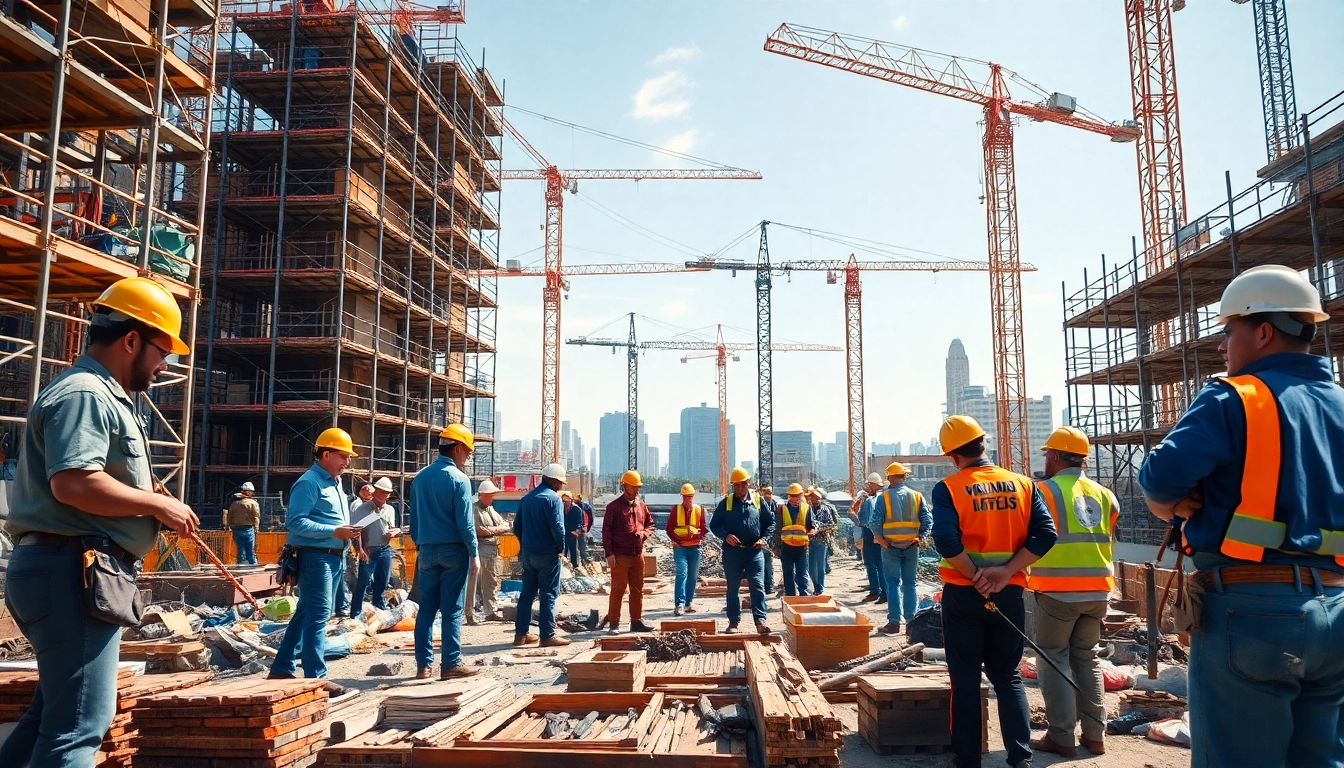
The world of construction is vast, encompassing various stages that transform plans and ideas into tangible structures. Each project begins with conceptualization, where architects and engineers map out design ideas. Following this, the detailed planning stage involves selecting materials, determining costs, and establishing project timelines. The construction itself follows, encompassing site preparation, building, and inspections. The final stage involves project closure, where all documentation is completed, and a handover occurs to the client.
Key Terminology in Construction
Understanding the language of construction is crucial for anyone involved in the industry. Key terms include:
- Blueprints: Detailed plans that outline the specifications of a structure.
- General Contractor: The primary person responsible for overseeing a construction project.
- Change Order: A formal document that modifies the original contract to incorporate changes.
- Scope of Work: A detailed description of the work to be performed on a project.
These terms form the foundation for effective communication and project success in the construction realm.
Types of Construction Projects
Construction projects can be segmented into several categories, each with unique requirements:
- Residential Construction: Involves the building of homes and apartments.
- Commercial Construction: Pertains to the construction of business facilities like offices and retail stores.
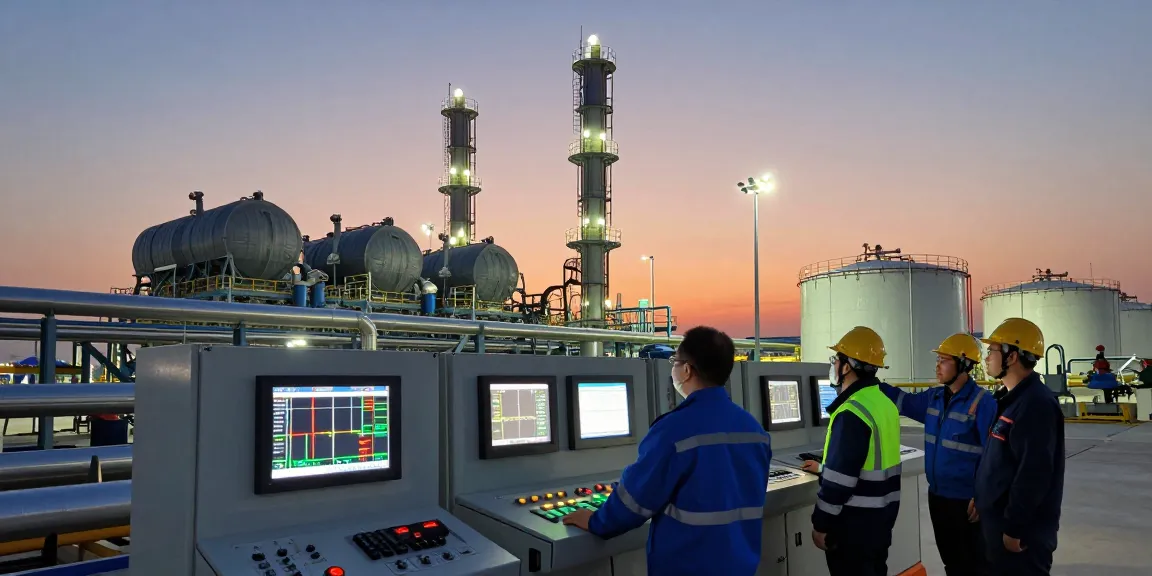
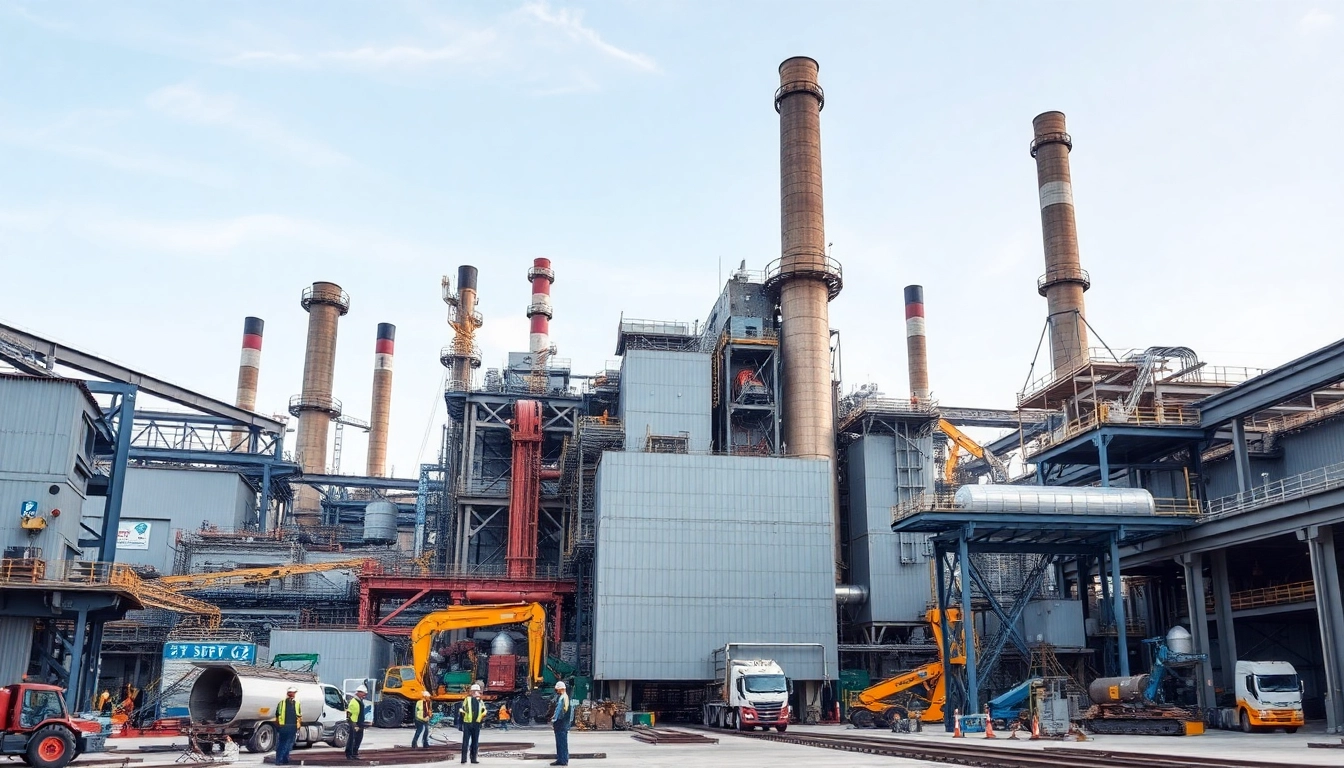
- Industrial Construction: Encompasses large-scale projects such as factories and power plants.
- Infrastructure Construction: Includes roads, bridges, and public utilities.
Each of these project types requires specific knowledge and skills, making it vital for professionals to understand the nuances involved.
Project Planning and Management Essentials
Crafting Effective Project Plans
Creating a solid project plan is the backbone of any successful construction endeavor. A project plan serves as a roadmap, outlining necessary activities, resources, and timelines. Essential elements include:
- Defining Objectives: Clearly state the goals of the project, ensuring all stakeholders are aligned.
- Stakeholder Identification: Identify all parties impacted by the project, including owners, contractors, and community members.
- Cost Estimation: Analyze and estimate costs associated with materials, labor, and overhead.
- Risk Assessment: Evaluate potential risks and formulate strategies to mitigate them.
Prioritizing these factors can significantly enhance project outcomes and stakeholder satisfaction.
Establishing Timelines and Milestones
Timelines are critical in ensuring that projects remain on schedule. Using software tools, managers can create visual representations of project timelines, detailing phases of work and identifying milestones. Milestones mark significant points in a project and can include:
- Completion of design.
- Securing permits.
- Completion of site preparation.
- Final walkthrough and inspections.
Tracking milestones enables teams to celebrate progress and motivates further achievement.
Resource Allocation Strategies
Efficient resource allocation ensures that the right resources are available at the right time, avoiding delays and additional costs. Key strategies involve:
- Resource Scheduling: Use scheduling tools to determine when resources will be needed and their availability.
- Budget Allocation: Distribute the budget across various areas, ensuring crucial aspects have sufficient funding.
- Team Management: Assign team members based on their skills and project demands.
Effective resource allocation directly correlates with successful project completion.
Safety Protocols in Construction
Creating a Safety Culture
Safety in construction cannot be overstated, as it is vital to protect the health and well-being of workers. Establishing a culture of safety involves:
- Training Programs: Provide comprehensive safety training that covers potential hazards and emergency procedures.
- Open Communication: Encourage workers to report unsafe conditions and offer feedback on safety practices.
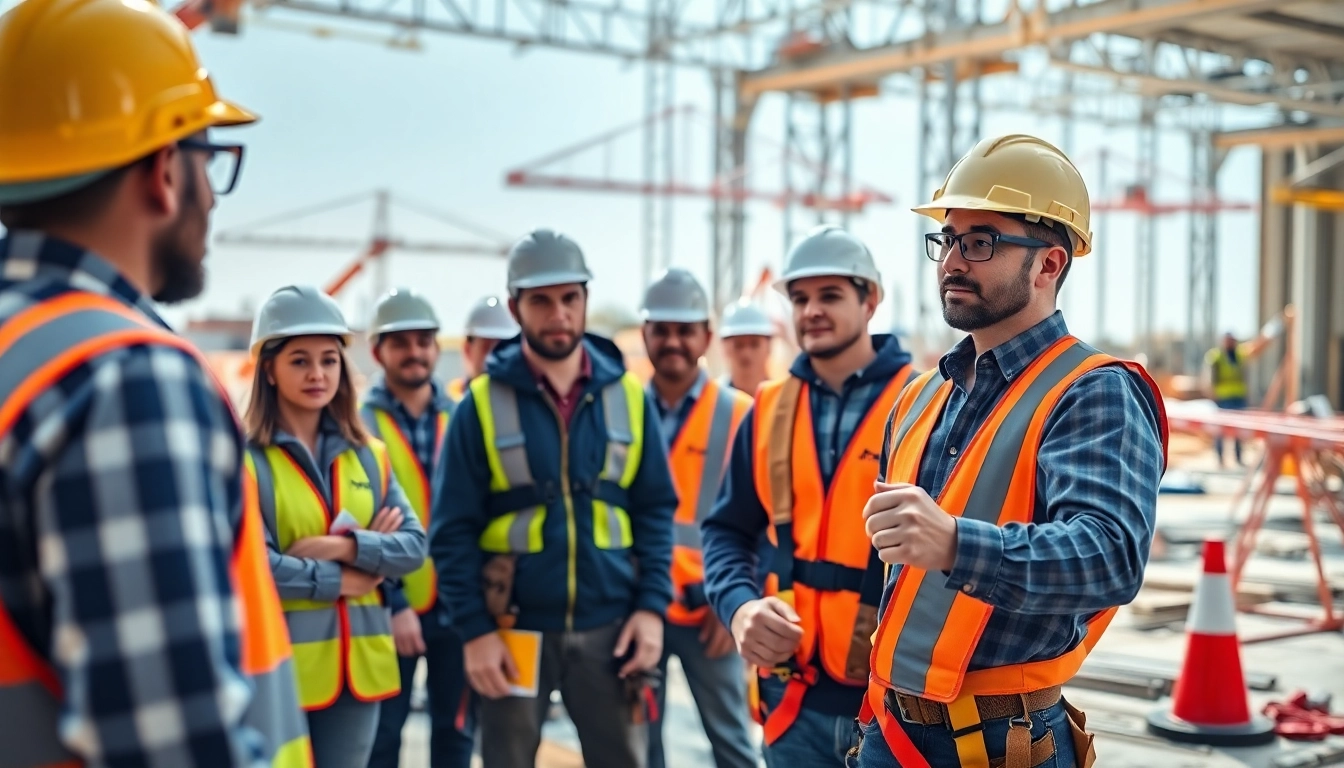
- Regular Safety Meetings: Hold periodic meetings to review safety protocols and address any concerning issues.
A proactive approach fosters a culture of safety, reducing the chance of accidents on-site.
Essential Safety Equipment
Investing in personal protective equipment (PPE) is crucial for construction workers. Essential gear includes:
- Hard Hats: Protect head from falling debris.
- Safety Goggles: Shield eyes from dust and hazardous materials.
- Steel-Toed Boots: Offer foot protection against heavy objects.
- High-Visibility Vests: Enhance visibility in low-light conditions.
Providing necessary equipment is not just a legal requirement, but also a moral obligation to safeguard employees.
Compliance with Safety Regulations
Adhering to local and national safety regulations is non-negotiable in construction. This includes following guidelines set forth by governmental bodies like OSHA. Regular audits and safety checks ensure compliance and help identify areas for improvement. Staying updated on regulations not only protects workers but also minimizes legal risks and potential fines.
Sustainability in Construction Practices
Benefits of Sustainable Building Materials
Incorporating sustainable materials in construction offers environmental and economic benefits. These materials, such as recycled steel and bamboo, have lower environmental impacts. Advantages include:
- Reduced Carbon Footprint: Sustainable materials often require less energy to produce.
- Longer Lifespan: Many sustainable materials are more durable, reducing the need for frequent replacements.
- Improved Indoor Air Quality: Non-toxic materials contribute to healthier living environments.
Opting for sustainability not only benefits the planet but also enhances the appeal of buildings.
Energy Efficiency Strategies
In striving for sustainability, adopting energy-efficient practices is vital. Strategies include:
- Green Building Design: Utilize designs that maximize natural light and ventilation.
- Energy-Efficient Systems: Install high-efficiency heating and cooling systems, as well as energy-saving appliances.
- Renewable Energy Sources: Incorporate solar panels or wind turbines to reduce dependency on fossil fuels.
Implementing these strategies leads to significant reductions in energy costs and environmental impact.
Waste Reduction Techniques
Construction generates considerable waste, making waste reduction techniques essential. Key practices include:
- Recycling Materials: Salvage and repurpose materials whenever possible.
- Efficient Waste Management: Implement clear waste sorting processes on-site to facilitate recycling.
- Minimizing Over Order: Accurately assess material needs to prevent excess materials from going to waste.
These techniques contribute to sustainability and reduce the overall environmental footprint of construction projects.
Measuring Success in Construction Projects
Key Performance Indicators to Monitor
Measuring project success goes beyond simply finishing on time. Key Performance Indicators (KPIs) include:
- On-time Delivery: Assess if the project met its scheduled milestones.
- Budget Adherence: Track overall spending against the initial budget.
- Quality of Work: Evaluate the quality and integrity of the completed tasks.
- Client Satisfaction: Gather feedback from clients regarding their experience and the end product.
Collecting these data points helps inform future projects and guides strategic decisions.
Evaluating Project Outcomes
Upon project completion, a comprehensive evaluation is necessary. This involves reviewing performance against established KPIs, gathering feedback from all stakeholders, and analyzing outcomes. Lessons learned during the process should be documented and shared for continuous improvement.
Continuous Improvement Strategies
The construction industry thrives on innovation. Key strategies for promoting continuous improvement include:
- Post-Project Reviews: Conduct thorough reviews to identify successes and areas for growth.
- Professional Development: Encourage ongoing education and training for employees to stay updated on industry standards and innovations.
- Feedback Loops: Create systems in which feedback is gathered regularly from team members and clients.
Adopting a mentality of continuous improvement fosters better practices and enhances project outcomes in the long run.
Frequently Asked Questions
What are the primary stages of a construction project?
A construction project generally includes conceptualization, planning, construction, and project closure. Each stage is crucial for ensuring project success.
How can sustainability be integrated into construction?
Sustainability can be integrated by using eco-friendly materials, implementing energy-efficient systems, and employing waste reduction techniques throughout the project.
What factors affect construction project costs?
Factors affecting costs include project scope, materials used, labor rates, and any unforeseen challenges or changes that arise during the project timeline.
Why is safety crucial in construction?
Safety is vital in construction to protect workers from harm, mitigate accidents, and comply with legal regulations. A safe work environment ensures productivity and morale.
How is project success measured in construction?
Project success in construction is measured using KPIs such as on-time delivery, budget adherence, quality of work, and client satisfaction through feedback.