
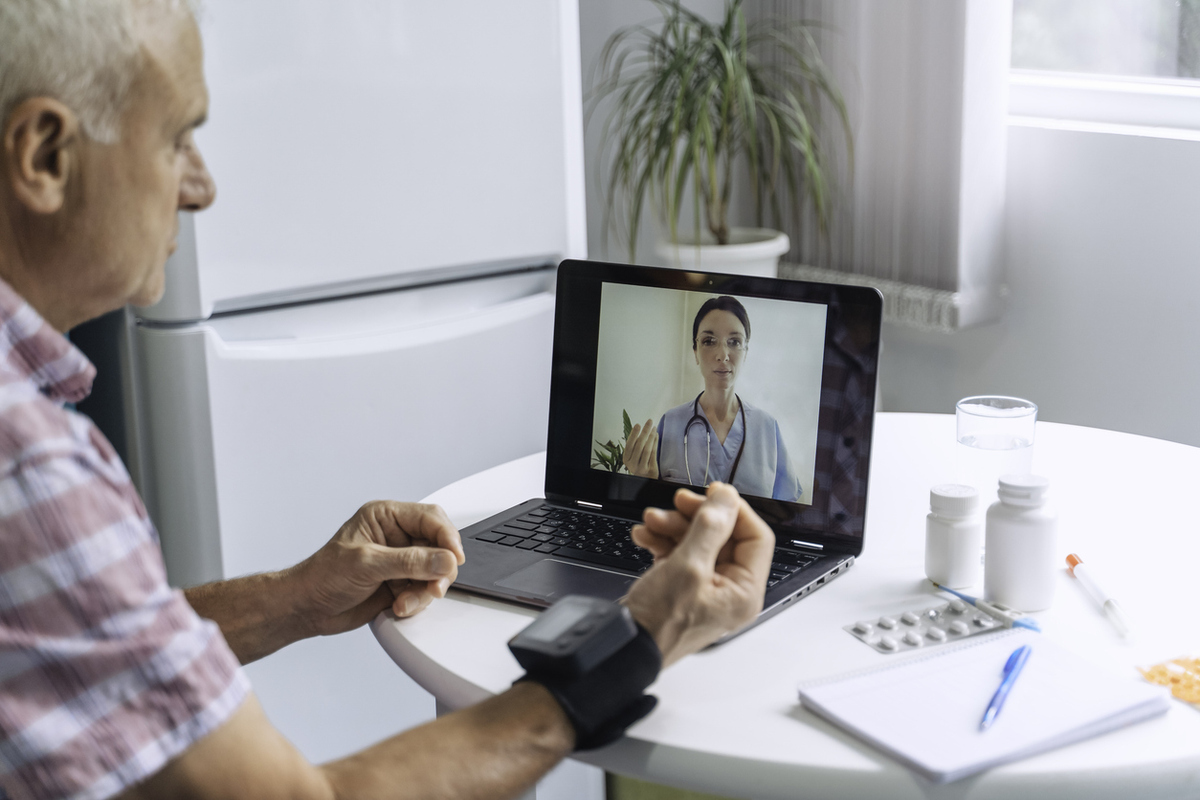
Chronic diseases such as diabetes, hypertension, asthma, COPD, heart disease, and obesity account for the majority of healthcare visits worldwide. As these conditions require ongoing monitoring and long-term care, healthcare systems are shifting toward models that prioritize continuity, accessibility, and personalization. This is where Chronic Disese Maangement (CDM) platforms designed for patient-centered care are transforming how providers support patients every day.
Modern CDM platforms combine telehealth, remote monitoring, AI-powered analytics, and patient engagement tools to create a fully connected ecosystem. Instead of fragmented care, patients receive a continuous, personalized, and proactive experience—right from their homes.
What Is Patient-Centered Chronic Disease Management?
Patient-centered care places the individual at the heart of every decision, emphasizing:
- Personal preferences
- Individual goals
- Daily lifestyle habits
- Cultural needs
- Understanding of their condition
In chronic disease management, this approach ensures patients feel empowered, informed, and supported—not overwhelmed or confused by medical processes.
A patient-centered platform must deliver:
- Easy-to-use tools
- Real-time communication
- Personalized health insights
- Seamless access to care teams
- Support for self-management
When designed correctly, these platforms significantly enhance adherence, outcomes, and quality of life.
Why Chronic Disease Management Platforms Are Essential Today
Traditional care models rely heavily on in-person visits. This limits:
- Follow-up frequency
- Early detection
- Real-time decision making
- Patient engagement
- Clinician visibility into daily health
Chronic diseases require constant monitoring—not occasional checkups.
CDM platforms fill this gap by offering continuous care through remote monitoring devices, patient portals, mobile apps, and integrated provider dashboards. The result is healthcare that shifts from reactive (treating problems after they happen) to proactive (preventing complications before they occur).
Core Features of Patient-Centered CDM Platforms
1. Remote Patient Monitoring (RPM)
Real-time device connectivity enables constant tracking of vitals like:
- Blood glucose
- Blood pressure
- Heart rate
- Oxygen levels
- Weight
- Physical activity
This gives providers a complete picture of a patient’s condition outside the clinic.
2. AI-Powered Health Analytics
AI enhances chronic care by:
- Predicting complications early
- Identifying abnormal trends
- Automating alerts
- Prioritizing high-risk patients
- Personalizing care plans
AI transforms raw data into actionable insights that drive better outcomes.
3. Patient Engagement Tools
To ensure active participation, CDM platforms provide:
- Educational content
- Medication reminders
- Lifestyle coaching
- Chat-based support
- Symptom checkers
- Goal tracking
Engaged patients have significantly better control over chronic diseases.
4. Integrated Telehealth Visits
Patients can connect with providers through:
- Video consultations
- Secure messaging
- E-visits
- Asynchronous communication
This removes barriers such as travel, time, and mobility limitations.
5. Care Team Collaboration
Care teams—including physicians, nurses, dietitians, health coaches, and specialists—can collaborate through a centralized platform, ensuring coordinated care.
6. Customizable, Modular Architecture
Platforms like GenieMD offer modular components, allowing organizations to select only the tools they need for their patient population.
How Patient-Centered Platforms Improve Chronic Disease Outcomes
1. Early Detection and Intervention
Continuous monitoring identifies issues before they escalate—preventing costly hospitalizations.
2. Personalized Care Plans
AI and real-time data tailor recommendations to each patient’s lifestyle, risk level, and goals.
3. Improved Medication Adherence
Automated reminders and progress tracking reduce missed doses.
4. Increased Patient Satisfaction
Patients feel supported, informed, and in control of their own care journey.
5. Lower Healthcare Costs
Preventing complications reduces ER visits, readmissions, and long-term care costs.
6. Enhanced Provider Efficiency
Automated data analysis reduces administrative burden and supports smarter decision-making.
The Role of Platforms Like GenieMD in Patient-Centered Chronic Care
Modern CDM platforms—such as GenieMD—are designed to enable flexible, customized, patient-first chronic disease programs by offering:
- Modular components for tailored deployment
- Remote monitoring integrations
- AI-driven insights
- White-label branding
- Telemedicine workflows
- Smart triage and automated alerts
- Patient engagement and education tools
This ensures healthcare organizations can implement comprehensive chronic care programs without overwhelming their teams or patients.
GenieMD’s approach ensures providers deliver high-quality, continuous, personalized care—the foundation of patient-centered chronic disease management.
Future of Patient-Centered Chronic Care
The direction is clear. Chronic care is moving toward:
- Predictive analytics instead of reactive treatment
- Fully integrated virtual and in-person care
- Personalized AI-guided health journeys
- Expanded remote device capabilities
- Comprehensive home-based care programs
Patient-centered platforms will be central to this evolution, empowering providers and patients alike with continuous, intuitive, and data-driven care tools.
Conclusion
Chronic Disease Management platforms built for patient-centered care represent the future of healthcare. By combining remote monitoring, AI, telehealth, and personalized engagement, these solutions enhance outcomes, reduce costs, and empower patients in their daily lives.