Understanding the Importance of a Noise Assessment Survey
Noise continues to be a significant concern across various sectors, from industrial workplaces to residential areas. Minimizing its detrimental effects on human health and comfort necessitates thorough analysis through a noise assessment survey. Such surveys are crucial for understanding sound exposure, compliance with local regulations, and effective noise management strategies. Utilizing noise assessment survey insights can lead to enhanced workplace safety, decreased health risks, and improved quality of life in communities.
What is a Noise Assessment Survey?
A noise assessment survey is a systematic process aimed at measuring noise levels in a designated area. By utilizing specialized equipment, professionals gather quantitative data regarding sound levels, identifying potential noise sources and evaluating their impact. These surveys typically assess sound pressure levels in decibels (dB), varying by time of day and type of environment. In industrial settings, for instance, workers' exposure to sound is measured to ensure it stays within regulated limits, protecting their hearing and overall health.
Key Regulations Surrounding Noise Assessments
Regulatory bodies have established guidelines to govern noise levels in occupational and residential environments. The Occupational Safety and Health Administration (OSHA) has set standards, requiring regular noise assessment surveys in workplaces where noise exposure can exceed 85 dBA over an 8-hour duration. Local regulations may also identify allowable noise limits for residential zones, particularly concerning construction, transportation, and industrial activities, which can have a substantial impact on nearby residents. Understanding these regulations ensures compliance and mitigates potential penalties.
Environmental and Health Impacts of Excessive Noise
Excessive noise pollution poses significant health risks, contributing to stress, sleep disturbances, and various cardiovascular issues. Long-term exposure can lead to chronic conditions such as tinnitus or hearing loss. Environmentally, high noise levels can disrupt wildlife behavior, particularly in sensitive habitats. Conducting a noise assessment survey allows communities and organizations to identify problematic noise sources and develop strategies to minimize them, improving both human health and ecological integrity.
Types of Noise Assessment Surveys
The effectiveness of a noise assessment survey can depend heavily on its type, as different environments and purposes necessitate varied methodologies. Here are the primary categories:
Industrial Noise Assessment Surveys
In industrial settings, noise assessment surveys focus on measuring occupational sound levels to protect employees. These surveys evaluate areas where machines operate or processes generate significant noise. With tools like dosimeters and sound level meters, practitioners can monitor noise exposure during working hours. Results lead to identifying high-risk areas and implementing control measures such as sound insulation or employee training to mitigate risks.
Residential Noise Assessment Surveys
These surveys concentrate on measuring noise pollution in residential settings, often evaluating noise from everyday activities like traffic, construction, or industrial operations nearby. Surveys can guide city planners to enforce noise regulations or determine if mitigation measures, such as sound barriers or zoning changes, are necessary. They help residents understand their acoustic environment and seek solutions to unwanted noise, enhancing overall comfort.
Transportation Noise Assessment Surveys
Transportation noise assessments evaluate the sound impact a variety of vehicles have on surrounding communities. This includes measuring noise from railways, airports, or highways. The data collected aids in urban planning, ensuring that noise mitigation strategies—like the construction of sound insulation walls—are applied, protecting residents from excessive sound exposure.
Steps to Conducting a Noise Assessment Survey
A comprehensive noise assessment survey involves careful planning and execution. Below are the essential steps:
Planning Your Noise Assessment
Planning is crucial for the success of a noise assessment survey. This stage includes defining objectives, selecting measurement locations, and developing a timeline. It is essential to consider factors such as the busiest times of day when noise levels are likely to be highest, or environmental conditions that could impact sound transmission. Collaboration with stakeholders is also necessary to ensure that the survey meets regulatory requirements and community needs.
Measuring Noise Levels: Tools and Techniques
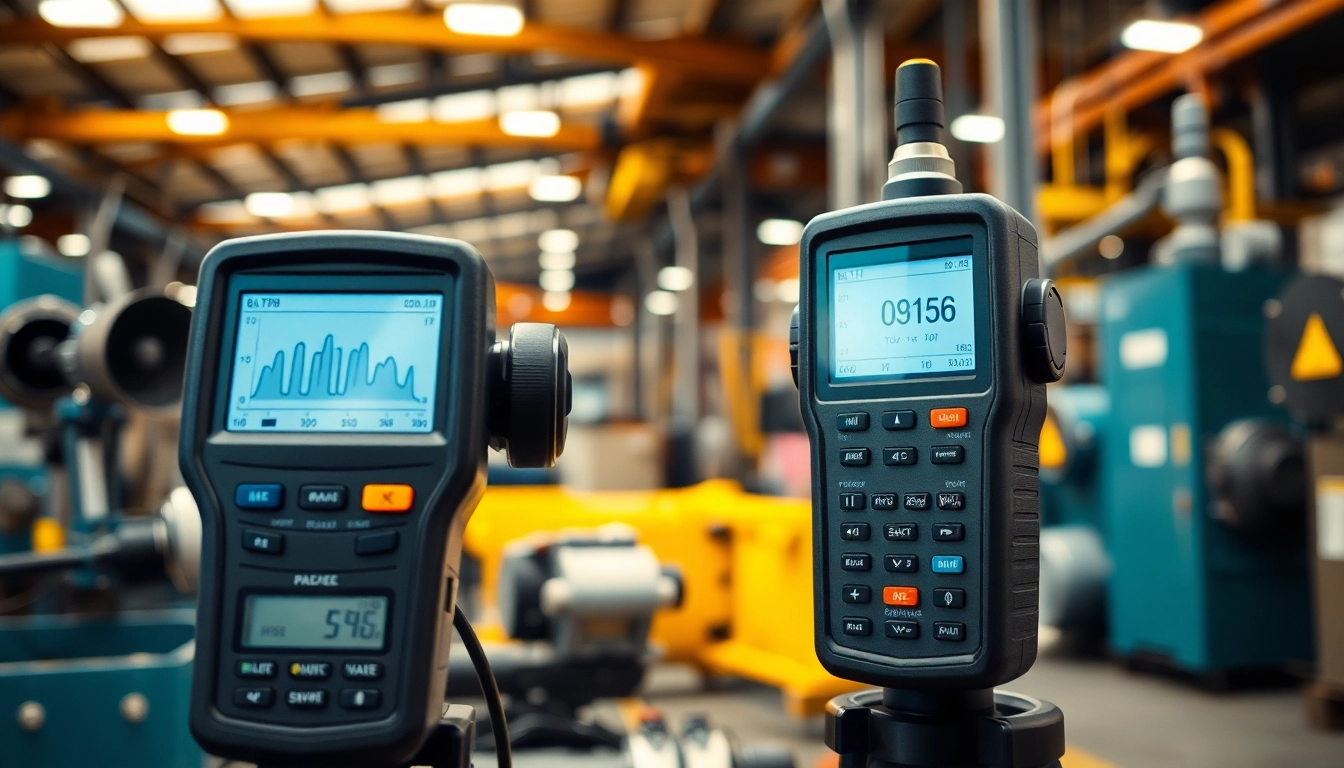
Utilizing appropriate tools and techniques is vital in accurately assessing noise levels. Common equipment includes handheld sound level meters for spot measurements or continuous noise monitoring systems for longer assessments. Techniques such as utilizing a microphone technique help in identifying the frequency components of noise, which can provide deeper insights into its sources. Proper calibration and maintenance of measurement equipment ensure data accuracy.
Analyzing Data and Reporting Results
Once data is collected, it needs thorough analysis. This includes comparing measurements to established regulatory limits, identifying trends over the assessment period, and determining the specific noise sources contributing to elevated levels. After analysis, creating a comprehensive report that summarizes findings, methodologies, and recommendations is essential. This report should be accessible to stakeholders, facilitating decision-making and influencing potential modifications to noise management strategies.
Best Practices for Noise Assessment Surveys
Applying best practices enhances not only the effectiveness but also the credibility of noise assessment surveys. Here are key practices to consider:
Selecting Appropriate Times for Measurement
Choosing the right times to conduct measurements significantly impacts the quality of data collected. Surveys should ideally capture peak noise times, considering varying noise levels throughout the day and week. Early mornings, rush hours, or weekends may yield different results; hence, observing patterns over time ensures a representative assessment.
Ensuring Accuracy in Measurements
Accuracy is paramount. It is essential to calibrate instruments before use and conduct measurements at appropriate distances from noise sources. Environmental factors—such as humidity and temperature—should also be recorded as they can affect sound wave propagation. Moreover, consistent methodology between assessments is critical to ensure comparability and reliability of the results.
Communicating Findings Effectively
Effectively communicating findings is vital for the acceptance of survey results and implementation of recommended actions. Reports should be clear and concise, visual aids such as graphs and maps enhancing understanding. Presenting information in a manner tailored to the audience—whether technical or non-technical—helps in building consensus for proposed noise mitigation strategies.
Future Trends in Noise Assessment Surveys
As technology advances, the field of noise assessment surveys continues to evolve. Here are several trends shaping its future:
Technological Innovations in Noise Measurement
Advancements in technology, such as smart sensors and IoT (Internet of Things) devices, are transforming noise assessment methods. These innovative tools allow for real-time data collection and analysis, enabling a comprehensive understanding of noise patterns over time. With the incorporation of AI and machine learning, predictive analytics can further enhance the effectiveness of surveys, offering insights into future noise impacts and the effectiveness of mitigation measures.
Increasing Compliance and Regulation Trends
As public concern around noise pollution grows, regulations are evolving to become more stringent. Continuous noise monitoring systems may become a regulatory requirement for specific industries, leading organizations to adopt proactive measures in understanding and mitigating noise exposure. This trend calls for thorough training and resources to equip professionals with the skills needed for compliance.
Public Awareness and Community Involvement
Community engagement regarding noise pollution is on the rise. Local communities increasingly participate in noise assessment surveys, leading to a better understanding of their environments and fostering collaborative efforts in addressing noise concerns. Educational programs and outreach initiatives further raise awareness about the effects of noise and the importance of participation in noise management strategies.