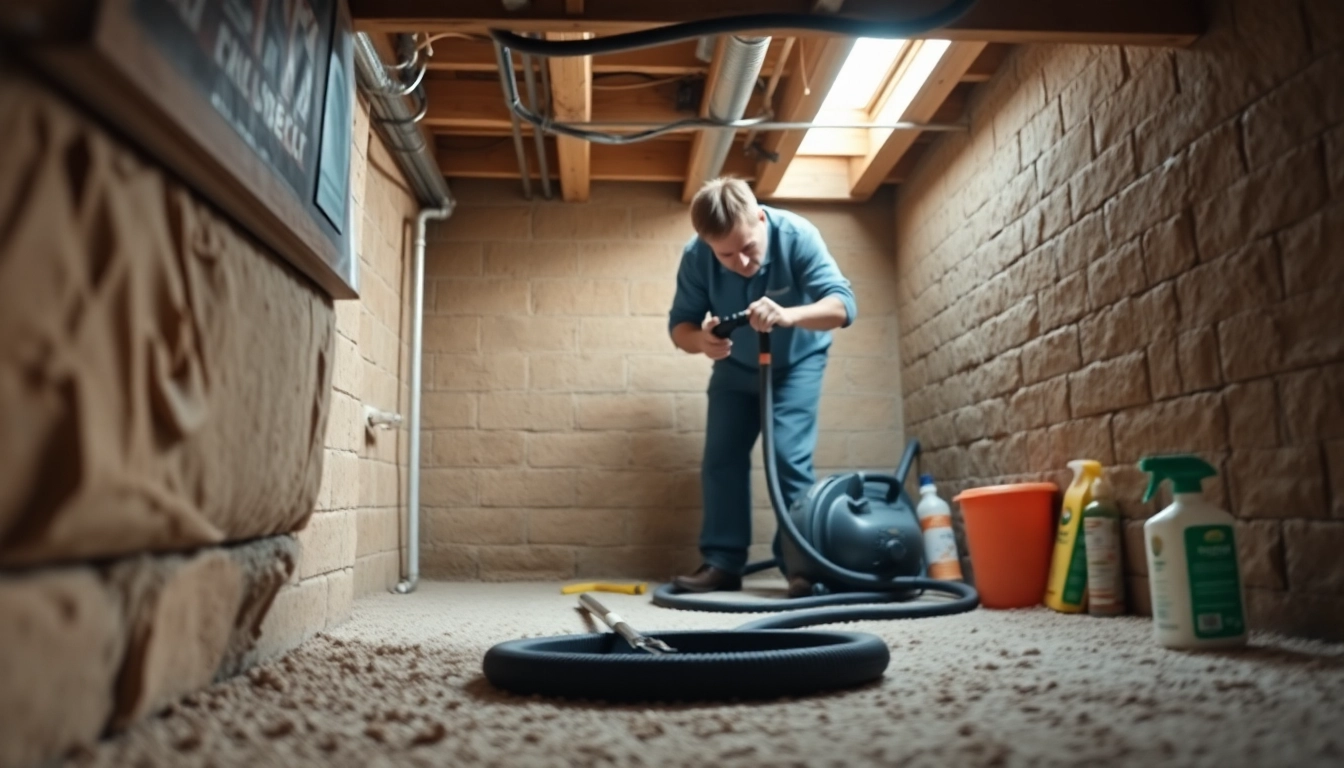
Understanding Crawl Space Maintenance
Maintaining a crawl space is crucial for ensuring the overall health and stability of a home. Though often overlooked, this area serves as the foundation for the building and is essential for protecting against moisture, pests, and health hazards. Regular cleaning and inspection of your crawl space will not only prevent significant structural damage but also enhance the indoor air quality of your home. To explore more about crawl space solutions, you can visit http://newleafcrawlspace.com.
Importance of Regular Cleaning
Regular cleaning of your crawl space can mitigate numerous long-term issues that can arise from neglect. Dust, debris, and organic materials can accumulate quickly, leading to unfavorable conditions. Over time, this build-up can attract pests, promote mold growth, and compromise the air quality throughout your home.
Moreover, a clean crawl space helps maintain the energy efficiency of your home. Insulation can degrade when exposed to moisture and pests, leading to higher energy bills as your heating and cooling systems work harder. Hence, maintaining a clean crawl space is an investment in both your home's comfort and your finances.
Signs Your Crawl Space Needs Attention
It’s vital to recognize warning signs that indicate your crawl space requires immediate attention. Look for the following signs:
- Unpleasant odors emanating from vents or grates in your home.
- Visible mold or mildew on the walls or surfaces of your crawl space.
- Presence of pests like rodents or insects, indicating a breach in the space.
- Excessive moisture or standing water, leading to potential foundation damage.
If you notice any of these signs, it may be time to conduct a thorough inspection and begin your cleaning process.
Common Crawl Space Hazards
A neglected crawl space can harbor several hazards that can impact both your health and the structural integrity of your home. Some common issues include:
- Mold and Mildew: Excess moisture creates a perfect environment for mold growth, which can lead to respiratory problems and allergic reactions.
- Pests: Insects, rodents, and other pests can invade a dirty crawl space, spreading diseases and causing damage to insulation and wiring.
- Structural Issues: Wood rot and damage to foundation elements can arise from constant moisture exposure, leading to expensive repairs.
Effective Crawl Space Cleaning Techniques
Equipment and Tools for Optimal Cleaning
Having the right tools and equipment is essential for an effective crawl space cleaning. Recommended tools include:
- Protective Gear: Wear gloves, masks, and goggles to protect yourself from dust and hazardous materials.
- Vacuum: A wet/dry vacuum is effective for removing loose debris and standing water.
- Brushes and Brooms: Stiff brushes can help scrub surfaces, while brooms are useful for sweeping up debris.
- Dehumidifier: This can be used to maintain proper humidity levels after cleaning.
Step-by-Step Cleaning Process
The cleaning process for your crawl space can be executed systematically to achieve the best results:
- Preparation: Clear the area of obstacles and wear appropriate protective gear.
- Removal of Debris: Use a vacuum to eliminate dust, dirt, and any loose materials.
- Addressing Moisture: Identify sources of moisture and repair any leaks before drying out the space with fans or dehumidifiers.
- Cleaning Surfaces: Scrub surfaces with brushes and approved cleaning solutions to remove mold or mildew.
- Installing Vapor Barriers: Consider installing a vapor barrier to prevent moisture buildup in the future.
Safety Precautions During Cleaning
Safety should always be a priority during crawl space cleaning. Here are some precautions to take:
- Ensure proper ventilation by opening access points or using fans.
- Do not move heavy or unstable items that could cause injury.
- If mold is present, consider using specialized mold remediation services for safe removal.
- Be aware of electrical issues; avoid operating equipment in damp conditions to prevent electrocution.
Moisture Control in Crawl Spaces
Identifying Sources of Moisture
Moisture can enter your crawl space through various means. Identifying these entry points is essential for effective control. Common sources include:
- Leaking pipes or plumbing fixtures.
- Rainwater infiltration due to poor drainage systems.
- Ground moisture evaporating into the space.
- High humidity levels from nearby bodies of water.
Installing Vapor Barriers
Implementing vapor barriers is a crucial step in moisture management. A vapor barrier helps prevent moisture from the ground from entering your crawl space. Key aspects to consider include:
- Material: Use a thick polyethylene material for better durability.
- Coverage: Ensure that the barrier extends up the walls and overlaps for complete coverage.
- Sealing: Secure seams with an appropriate tape to enhance effectiveness.
Utilizing Dehumidifiers
Once a vapor barrier is installed, using a dehumidifier can drastically improve conditions in your crawl space. This unit works by extracting moisture from the air, helping to maintain optimal humidity levels. Key benefits include:
- Reducing the risk of mold development.
- Improving air quality by eliminating stagnant humidity.
- Extending the lifespan of insulation and structural elements.
Repairing Damage in the Crawl Space
Common Types of Damage
Regular inspections can unveil various damages that require immediate attention. Common types include:
- Wood rot due to prolonged exposure to moisture.
- Structural damage to flooring or beams caused by pests or decay.
- Mold staining walls and surfaces, indicating a need for remediation.
Repair Techniques and Materials
Repairing damage in your crawl space necessitates effective materials and techniques:
- Replacing Rotted Wood: Assess and replace damaged elements using treated lumber to resist future moisture.
- Mold Treatment: Utilize specialized mold-removal products followed by thorough cleaning.
- Insulation Installation: Ensure proper insulation is in place after repairs to avoid future damage.
When to Call a Professional
While many repairs can be executed by homeowners, some situations warrant professional help:
- If extensive structural damage is present.
- In cases of severe mold infestations that require specialized treatment.
- For persistent moisture problems, indicating a need for advanced drainage systems.
Long-term Crawl Space Health Strategies
Routine Inspections and Maintenance
Establishing a routine inspection system can catch issues before they escalate. Aim to inspect your crawl space at least twice a year, paying attention to:
- Evidence of pests or moisture.
- Any changes in the condition of the vapor barrier.
- Condition of insulation and structural elements.
Monitoring and Addressing Pests
Keeping pests at bay is essential for maintaining a healthy crawl space and home environment. Employ the following strategies:
- Seal entry points to prevent pest ingress.
- Consider using traps or baits to monitor and control pest populations.
- Maintain cleanliness to avoid attracting pests through food sources.
Creating a Healthy Environment
In addition to addressing immediate issues, think about long-term strategies for maintaining a healthy crawl space. Consider creating airflow by installing vents and ensuring good drainage around your home’s foundation. Encourage dry conditions to foster a less hospitable environment for mold and pests, contributing to the overall well-being of your home.