Understanding Crawl Space Restoration
What is Crawl Space Restoration?
Crawl space restoration refers to the process of repairing and revitalizing the often neglected area beneath a home. This space can be critical to the overall health of a house, acting as a buffer between the home’s interior and the ground outside. Issues such as water damage, pest invasions, and inadequate ventilation can lead to significant problems if not addressed. By implementing timely Crawl Space Restoration strategies, homeowners can enhance their living environment, leading to improved air quality and structural integrity.
Common Issues Found in Crawl Spaces
Several issues typically plague crawl spaces. The most common problems include:
- Moisture Accumulation: Excess moisture can lead to mold growth and rot.
- Pest Infestations: Rodents and insects often seek shelter in crawl spaces.
- Structural Damage: Wood rot and foundation issues can arise from neglect.
- Insufficient Insulation: Poor insulation can lead to energy efficiency problems.
- Ventilation Issues: Inadequate airflow can cause humidity levels to rise.
The Importance of Crawl Space Restoration
Crawl space restoration is vital for several reasons. First, it protects the structural elements of a home, including beams and joists, by mitigating rot and damage. Second, it improves air quality in the home. Poor air circulation in crawl spaces can lead to allergens and pollutants drifting into living spaces. Lastly, proper restoration can enhance energy efficiency, saving homeowners money on heating and cooling. Without attention to this often-overlooked area, ongoing deterioration may occur, leading to costly repairs.
Signs Your Crawl Space Needs Restoration
Identifying Moisture Problems
A key sign that a crawl space needs restoration is the presence of moisture. Homeowners should look for water stains on the walls, musty odors, and visible mold growth. Condensation on pipes and ductwork can also indicate high humidity levels. Addressing these moisture problems promptly is essential to prevent more extensive damage like wood rot and structural failures.
Recognizing Pest Infestations
Another critical indicator is the presence of pests. Signs include droppings, nesting materials, and the sounds of scurrying. Rodents, termites, and other pests thrive in damp, neglected areas. Ignoring pest issues can lead to significant damage, making timely intervention crucial.
Signs of Structural Damage
Structural concerns can present as sagging floors, cracking walls, or misaligned doors and windows. These signs indicate potential issues with the foundation or framing, which can be exacerbated by neglecting the crawl space. Identifying and resolving these issues early on helps to avoid costly repairs later.
Steps Involved in Crawl Space Restoration
Preparing Your Crawl Space for Restoration
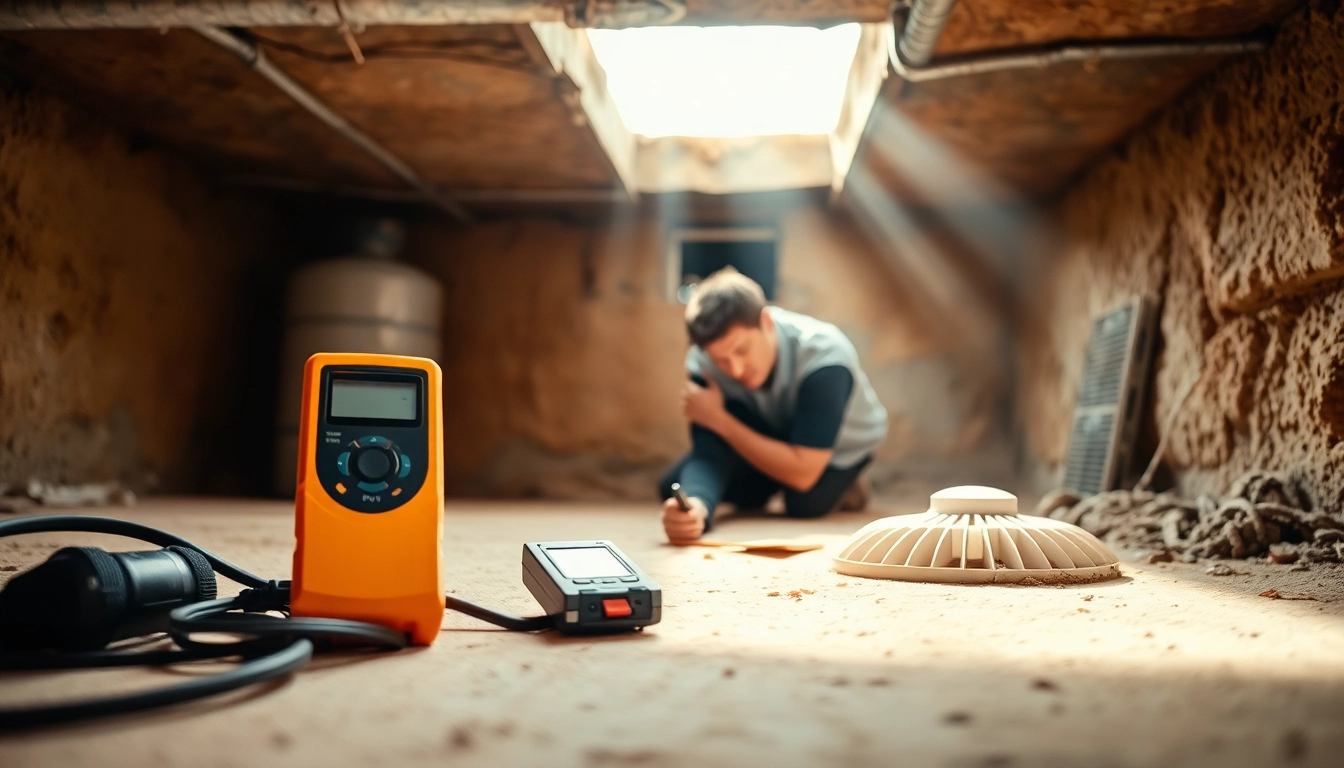
Preparation is critical when undertaking crawl space restoration. Start by clearing the area of any debris, ensuring access points are safe and clean. This preparation allows for a thorough inspection of the space and better assessment of existing issues. Additionally, ensuring your safety gear is on hand, such as masks and gloves, is essential when working in potentially hazardous environments.
Executing Effective Moisture Control
Proper moisture control is the cornerstone of effective crawl space restoration. Begin by identifying sources of moisture, whether from plumbing leaks, groundwater seepage, or inadequate drainage systems. Employ solutions such as installing a vapor barrier, using dehumidifiers, and improving drainage away from the foundation. These strategies can significantly reduce humidity levels and prevent future issues.
Incorporating Insulation and Ventilation
The next step involves enhancing insulation and ventilation systems. Insulating crawl space walls and floors can help maintain ideal temperatures and reduce energy costs. Moreover, installing vents or mechanical ventilation systems improves airflow, preventing the staleness that contributes to mold growth and poor air quality. A balanced approach to both insulation and ventilation is paramount.
Choosing the Right Professionals for Crawl Space Restoration
What to Look for in Restoration Experts
When selecting professionals for crawl space restoration, consider their experience, qualifications, and customer reviews. A reputable service will typically offer a thorough inspection and a detailed plan addressing your specific needs. Verify their licenses and certifications to ensure they follow industry standards.
Understanding Restoration Costs
Costs can vary significantly based on the extent of the restoration needed. Typical factors include the nature of the issues (structural damage, moisture problems), materials required, and labor costs. It's advisable to obtain multiple quotes and understand what is included in the pricing to make an informed decision.
Gathering Client Testimonials and Reviews
Client testimonials can provide insight into a company's reputation and reliability. Look for recent reviews on independent platforms to gauge customer satisfaction and overall service quality. Testimonials can also highlight successful case studies that resonate with your concerns.
Maintaining Your Crawl Space After Restoration
Regular Inspections and Maintenance Practices
Once restoration is complete, regular inspections are crucial for long-term health. Ideally, homeowners should check their crawl space at least once or twice a year, looking for signs of moisture, pests, and structural issues. Prevention is better than cure, and these inspections can catch potential problems before they escalate.
Creating a Long-Term Moisture Control Plan
A sustainable moisture control plan adapts to changing weather conditions and potential new water sources. Implementing regular checks on gutters, downspouts, and drainage systems ensures water flows adequately away from the foundation. Consider discussing your moisture plan with restoration professionals to maintain optimal humidity levels.
Best Practices for Crawl Space Health
Establishing best practices for crawl space health includes maintaining proper airflow with vents and dehumidifiers, ensuring gutters and drainage systems are functional, and regularly inspecting insulation for wear. Communicating with your home’s maintenance team about these areas can enhance long-term viability.
Frequently Asked Questions
What is the average cost of crawl space restoration?
The average cost of crawl space restoration can range from a few hundred to several thousand dollars, depending on the extent of damage and required repairs.
How often should I inspect my crawl space?
It’s advisable to inspect your crawl space at least once or twice a year to monitor for moisture, pests, and structural issues.
Can I perform crawl space restoration myself?
While some minor tasks can be DIY, significant repairs or issues like mold removal should be handled by professionals to ensure safety and effectiveness.
How long does crawl space restoration take?
The duration of crawl space restoration varies widely based on the severity of the issues. Minor repairs may take a few days, while extensive restoration can take several weeks.
Are there preventative measures for crawl space health?
Yes, regular inspections, installing vapor barriers, and improving drainage systems are effective measures to maintain crawl space health and prevent issues.