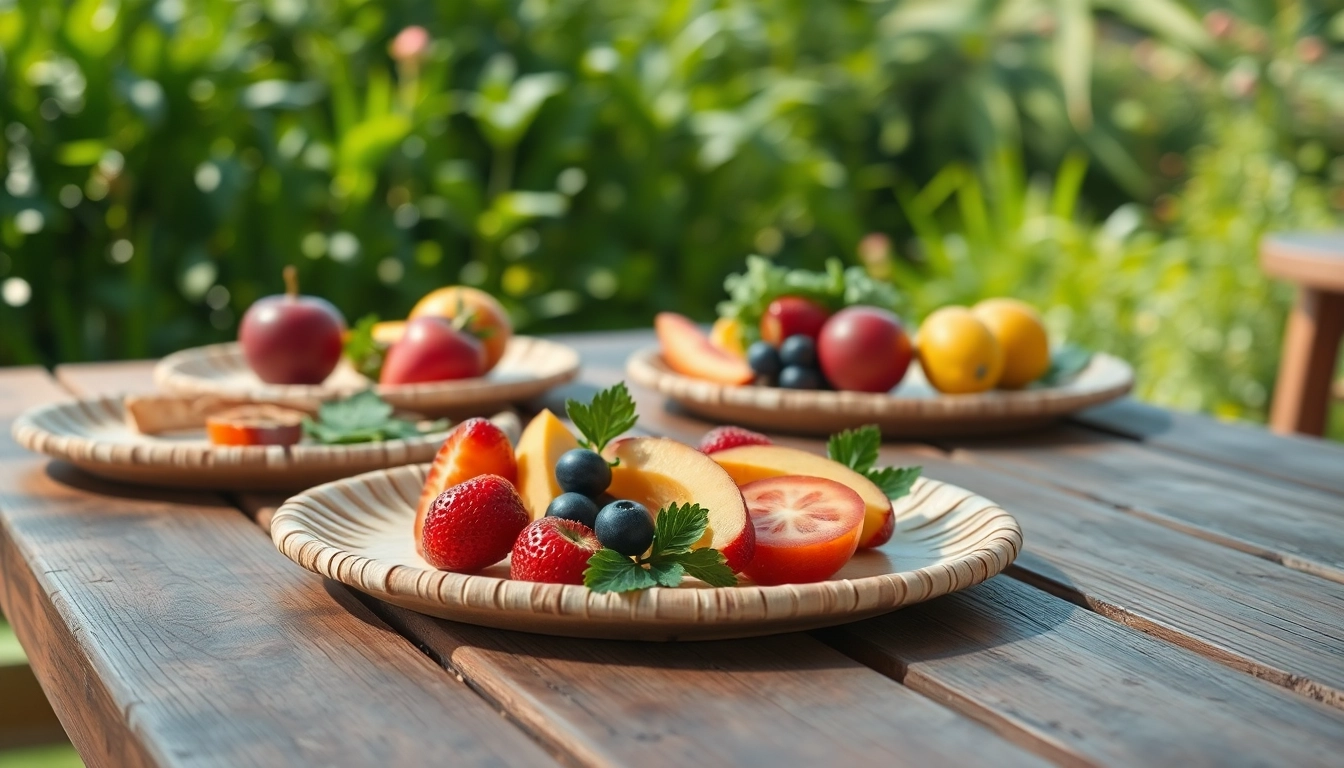
The Rise of Compostable Sugarcane Plates
As the push for sustainable living continues to grow, eco-friendly alternatives in the food service industry have emerged as a front runner in combating environmental issues caused by single-use plastics. Among these solutions, compostable sugarcane plates offer a practical and environmentally responsible option. Understanding their composition, benefits, and the impact they have is essential for consumers, businesses, and the planet.
1. What Are Compostable Sugarcane Plates?
Compostable sugarcane plates, also known as bagasse plates, are produced from the fibrous residue left after juice extraction from sugarcane. This sustainable practice transforms agricultural waste into a functional product, providing a renewable resource for disposable tableware. These plates offer an eco-friendly alternative to traditional plastic and styrofoam, boasting an impressive combination of strength, durability, and biodegradability.
2. Benefits of Using Compostable Sugarcane Plates
The advantages of using compostable sugarcane plates are numerous. Firstly, they contribute significantly to reducing plastic waste. With more than 35 million tons of plastic waste generated annually in the U.S., making sustainable choices in disposable tableware is crucial. Secondly, these plates are biodegradable within 90 days under optimal composting conditions, allowing them to break down naturally without leaving harmful residues. Additionally, they offer versatility, as they can handle both hot and cold foods, making them suitable for diverse culinary applications.
3. Environmental Impact Comparison
When compared to conventional disposable plates, compostable sugarcane plates showcase a markedly lighter environmental footprint. Traditional plastic plates can take hundreds of years to decompose, during which harmful substances can leach into soil and waterways. In contrast, compostable sugarcane plates enhance soil health by returning nutrients through the composting process. As consumers become increasingly aware of the environmental impact of their choices, using compostable alternatives is essential for nurturing the planet.
Understanding the Composting Process
1. How Are Compostable Sugarcane Plates Made?
The manufacturing process of compostable sugarcane plates involves several steps. Initially, the sugarcane is harvested and processed to extract the juice. The resulting bagasse, which is a fibrous byproduct, is washed and dried. Next, the bagasse is pressed into plates using molds, ensuring that the end product is durable and functional. Some manufacturers may treat the plates with eco-friendly coatings to enhance moisture resistance without compromising compostability.
2. The Composting Timeline
Once disposed properly, compostable sugarcane plates can decompose within a shorter timeframe than traditional disposable products. In a well-maintained composting environment, they can break down completely within 60 to 90 days. The decomposition process involves microbial activity that consumes the organic material, returning valuable nutrients to the soil. This timeline highlights the efficiency of composting these plates compared to the prolonged degradation of synthetic options.
3. Best Practices for Composting
To achieve optimal composting results, several best practices should be followed. Firstly, ensure that the composting bin maintains a proper balance of greens (nitrogen-rich materials) and browns (carbon-rich materials). Additionally, chop large pieces of compostable materials to speed up the breakdown process. Maintain adequate moisture and aeration by turning the compost regularly. Avoiding contamination with non-biodegradable materials is crucial for effective composting.
Choosing the Right Compostable Plates
1. Factors to Consider When Buying
When selecting compostable sugarcane plates, consider the intended use, size, and shape required for your dining experience. Look for certifications indicating compliance with composting standards, such as ASTM D6400 or EN13432. These certifications confirm that the products will disintegrate and biodegrade within specific timelines in commercial composting facilities. Additionally, assessing local composting capabilities will ensure proper disposal.
2. Sizes and Shapes Available
Compostable sugarcane plates come in various sizes and shapes, suitable for diverse dining occasions. Round plates ranging from 6 inches to 10 inches are ideal for appetizers or full meals, while rectangular options might be preferable for serving entrees or desserts. Understanding your needs will help you select the right size for your events.
3. Comparing Cost and Quality
While the cost of compostable sugarcane plates may be slightly higher than traditional plastic options, the quality and environmental benefits outweigh this difference. As the market expands, competitive pricing and bulk purchasing options enable businesses to transition to sustainable alternatives without breaking their budgets. Investing in quality compostable plates ensures durability during use and discoloration during the composting process.
Using Compostable Sugarcane Plates in Events
1. Ideal Uses for Catering and Events
Compostable sugarcane plates are becoming increasingly popular in the catering and event planning industries. Their elegant appearance and sturdy construction make them suitable for weddings, corporate events, and outdoor parties. Given the growing importance of social responsibility, hosting events with compostable dishware enhances your brand’s image while catering to guests' expectations for sustainable choices.
2. Tips for an Eco-Friendly Table Setting
To create an eco-friendly table setting, incorporate compostable cutlery and cups alongside sugarcane plates, ensuring a cohesive and sustainable dining experience. Utilize reusable decorations, biodegradable table linens, and natural centerpieces to further enhance the aesthetic. Encourage guests to participate by providing clear disposal instructions for the compostable products.
3. Feedback from Event Planners
Event planners have reported positive feedback when utilizing compostable sugarcane plates. Many note that guests appreciate the sustainable options, increasing overall satisfaction with events. Additionally, by partnering with local composting facilities, planners can streamline disposal processes, ensuring a truly eco-friendly event experience.
Frequently Asked Questions
1. Are compostable sugarcane plates truly compostable?
Yes, they break down naturally without toxic residues, contributing to nutrient-rich compost when disposed of correctly.
2. Can they hold hot foods?
Absolutely! Compostable sugarcane plates are designed to withstand hot and cold foods effectively.
3. How do I dispose of them?
Simply throw them in a composting bin or heap; they will decompose just like organic waste in a suitable environment.
4. Are they microwave-safe?
Yes, most compostable sugarcane plates are microwave-safe for reheating, but avoid extended heating to maintain integrity.
5. What makes them eco-friendly?
Made from renewable resources, they help reduce plastic usage and are fully biodegradable, making them a sustainable choice.