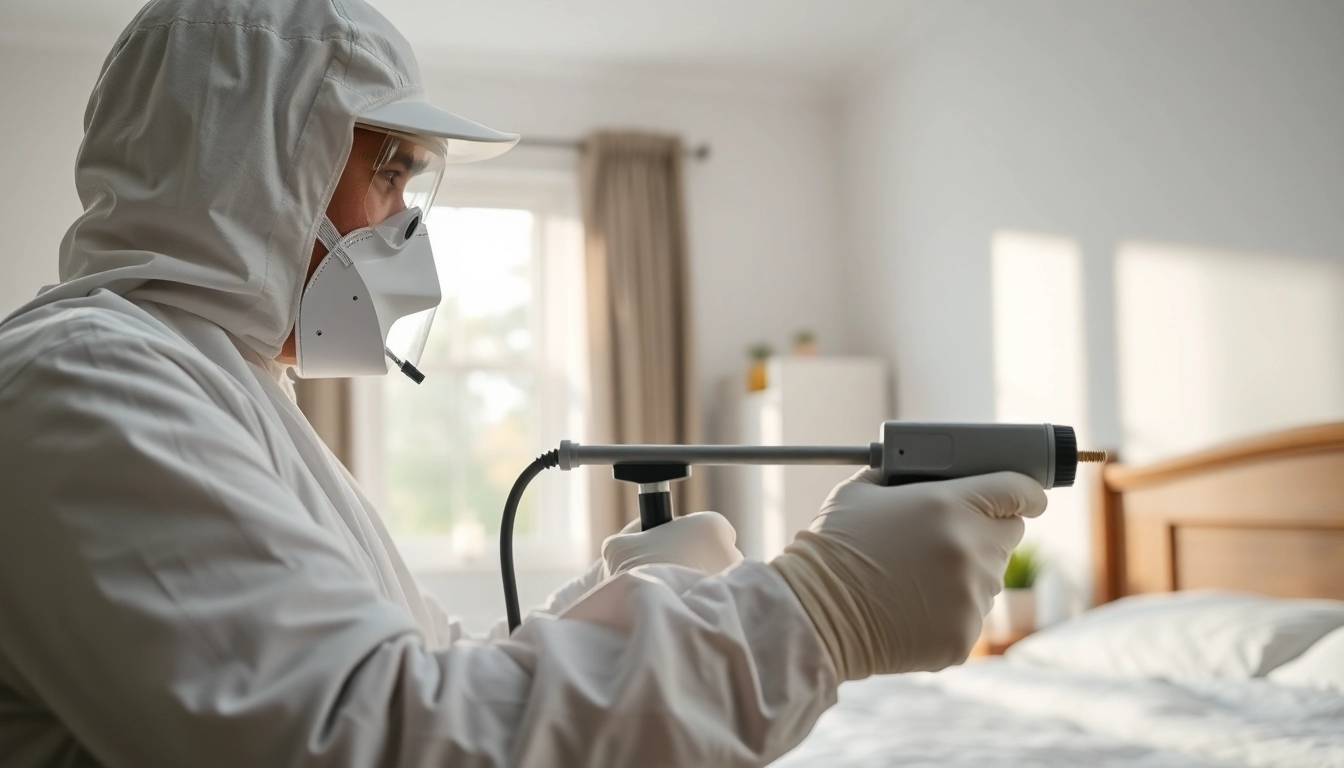
Understanding Bed Bugs: Identification and Behavior
What are Bed Bugs and Where Do They Hide?
Bed bugs, scientifically known as Cimex lectularius, are small, parasitic insects that feed primarily on the blood of humans and animals. Adult bed bugs are roughly the size of an apple seed, with a flat, oval shape that allows them to hide in tight spaces. They are typically reddish-brown in color and become swollen and darker after feeding. Bed bugs are nocturnal creatures, meaning they are most active at night when they venture out of their hiding places to find a host.
These pests can be found in various locations, primarily in areas where people sleep or spend considerable time. Common hiding spots include:
- Mattresses and box springs
- Bed frames
- Headboards
- Couches and chairs
- Cracks in walls and baseboards
- Luggage and clothing
Given their ability to hide in tiny crevices, bed bugs pose a significant challenge when it comes to identification and eradication. Their presence can be debilitating, causing sleepless nights and anxiety among those who endure their bites.
Signs of a Bed Bug Infestation
Discovering a bed bug infestation can be alarming. To address the issue promptly, one must recognize the typical signs of their presence:
- Red, Itchy Bites: Bed bugs typically leave small, itchy welts on the skin, often in a linear pattern.
- Blood Stains: You may notice small blood stains on sheets and pajamas from bed bugs that have been crushed after feeding.
- Dark Spots: These are excrement stains left behind by bed bugs. They resemble small ink spots or drops.
- Egg Cases: Bed bug eggs are tiny, and white, and may be found in areas where the bugs hide.
- Musty Odor: An infestation may produce a sweet, musty smell due to pheromones released by the bugs.
If you observe any of these signs, it's crucial to take action quickly to prevent the infestation from worsening.
Life Cycle of Bed Bugs and Their Habits
The life cycle of a bed bug consists of several stages: egg, nymph, and adult. A female bed bug can lay hundreds of eggs in her lifetime, which hatch in approximately 6 to 10 days. The nymph stages progress as they feed on blood, molting several times before reaching maturity. This process can take about five weeks under optimal conditions.
Bed bugs can live for several months without feeding, making them resilient pests. They are highly adaptable, thriving in various environments, which is why they are difficult to eliminate. Understanding their life cycle is crucial for successful extermination efforts.
Effective Bed Bug Extermination Techniques
DIY Methods for Bed Bug Removal
While there are various DIY methods available for bed bug removal, it is essential to approach this task methodically to ensure effectiveness:
- Heat Treatment: Bed bugs cannot survive extreme temperatures. You can use a clothes dryer on high heat for items like bedding and clothing to kill any bugs or eggs.
- Vacuuming: Regular vacuuming can help reduce the number of bed bugs and eggs. Be sure to dispose of the vacuum bag outside your home to prevent reinfestation.
- Encasements: Use bed bug-proof encasements for pillows and mattresses. This will trap any existing bugs and prevent new ones from entering.
- Steam Cleaning: High-temperature steam cleaners can be effective in killing bed bugs in areas that are hard to reach.
- Insecticides: Over-the-counter insecticides can help control a bed bug population; however, they should be used with caution and as directed.
While DIY solutions can be helpful, they often do not provide a complete solution for severe infestations.
When to Call Professionals from https://affordablebedbugexterminators.com
If you have tried DIY methods without success, or if your infestation is extensive, it may be time to consult professionals. Services like those at https://affordablebedbugexterminators.com offer expertise in identifying and treating bed bug problems effectively. Professional exterminators utilize advanced techniques and technologies tailored to eliminate bed bugs at all life stages—ensuring a more thorough eradication than DIY methods alone.
Eco-Friendly Extermination Approaches
Many environmentally-conscious homeowners seek bed bug extermination methods that are less harmful to the planet. Eco-friendly options include:
- Heat Treatment: As mentioned, this method uses elevated temperatures to kill bed bugs without chemicals.
- Essential Oils: Products containing essential oils such as tea tree oil and lavender can act as natural repellents, although they may not guarantee complete extermination.
- Coat & Desiccants: Silica gel and diatomaceous earth can dehydrate bed bugs, leading to their demise without the use of harmful chemicals.
Choosing eco-friendly approaches can mitigate environmental impacts while still effectively tackling the infestation.
Preventing Future Infestations
Best Practices for Homeowners
Once you've successfully eliminated bed bugs from your home, it is essential to adopt practices that prevent future infestations. Consider the following preventive measures:
- Regular Inspections: Routinely check common areas for signs of bed bugs. Being proactive can help catch an infestation early.
- Luggage Care: When you return home from travel, inspect and vacuum luggage thoroughly before bringing it indoors.
- Furniture Choices: Be cautious when acquiring used furniture, as it could harbor bed bugs. Inspect items carefully before introducing them to your home.
Ensuring a vigilant approach can save you from the distress of another infestation.
Travel Tips to Avoid Bringing Bed Bugs Home
Travelers are often at higher risk of encountering bed bugs. To minimize the likelihood of bringing them home, follow these tips:
- Inspect Accommodations: Before settling into a hotel room, thoroughly check the mattress seams, headboards, and other potential hiding spots.
- Keep Luggage Elevated: Use luggage racks instead of placing bags on the floor or bed.
- Launder Clothes: Immediately wash your clothes upon returning, especially if you’ve stayed in a hotel known for pest issues.
By taking these precautions, travelers can significantly decrease the risk of transporting bed bugs back home.
Regular Maintenance and Inspections
To prevent future infestations, establish a routine of general maintenance and inspections. Consider implementing the following:
- Monthly Checks: Examine sleeping and living areas once a month for any signs of bed bugs.
- Professional Inspections: Schedule annual pest control inspections to ensure that your home remains pest-free.
- Home Sealing: Seal gaps and cracks in walls, windows, and doors to minimize entry points for bed bugs.
Consistently maintaining your home will bolster your defenses against bed bug re-infestation significantly.
What to Expect During a Professional Extermination Service
Initial Assessment and Preparation Steps
When you enlist the help of professionals, the first step in extermination is typically an initial assessment. The exterminator will:
- Conduct a thorough inspection of your home to determine the extent of the infestation.
- Identify infested areas and potential hiding spots.
- Discuss treatment options and establish a plan tailored to your specific situation.
Preparation on your part often involves decluttering, vacuuming thoroughly, and moving furniture away from walls to facilitate the inspection process.
Extermination Process Explained
Once the assessment is complete, the extermination process can begin. The treatment may utilize various methods, including:
- Chemical Treatments: Insecticides approved for bed bug control may be applied to affected areas.
- Heat Treatments: High-temperature sessions may be scheduled for the entire home.
- Integrated Pest Management: A combination of methods may be employed for greater effectiveness.
After the extermination, a follow-up visit may be necessary to ensure the success of the treatment and make any adjustments if required.
Post-Extermination Follow-Up Recommendations
Following the professional extermination, it is crucial to follow recommendations to prevent re-infestation. These may include:
- Continuing to monitor for signs of bed bugs for several weeks post-treatment.
- Implementing preventative measures as discussed earlier.
- Maintaining a clean and clutter-free environment to reduce potential hiding spots.
By adhering to post-extermination guidelines, you strengthen your defenses against future bed bug problems.
Measuring the Success of Extermination Efforts
Signs that Bed Bugs Are Gone
To determine the effectiveness of the extermination, keep an eye out for signs indicating that bed bugs are no longer present. Look for:
- No new bites on the body after sleeping.
- Absence of physical evidence such as blood stains or fecal spots.
- Reduced sightings in previously infested areas.
Consistent vigilance will help validate that the extermination efforts have been successful.
Long-Term Monitoring Techniques
Even after you have achieved success, implementing long-term monitoring techniques is paramount. These include:
- Installing Monitors: Use bed bug monitors around sleeping areas to catch any re-emerging pests early.
- Regular Inspections: Continue periodic checks to ensure no new infestations have occurred.
Long-term dedication to monitoring will safeguard your home against future invasions.
Customer Testimonials and Case Studies
Real-life success stories and testimonials can offer insight into the effectiveness of extermination efforts. Many customers have reported positive experiences following professional assistance:
- Case Study 1: A family faced repeated infestations despite DIY attempts. After contacting experts, they reported a significant reduction in bed bug sightings and ultimately achieved complete eradication.
- Customer Testimonial: "We tried everything, but nothing worked until we called in professionals. They understood the nuances of eliminating bed bugs."
Such narratives provide encouraging evidence for those struggling with these persistent pests and the importance of seeking professional help.