Understanding Vacuum Types and Their Benefits
When it comes to maintaining a clean and healthy home, choosing the right vacuum is crucial. With various types available, each designed for specific cleaning needs, understanding their benefits can help homeowners make informed decisions. Let's delve into the major types of vacuums and discover how they can enhance your cleaning experience.
1. Canister Vacuum
Canister vacuums are renowned for their versatility and power. Comprising a canister (which houses the motor and dust collection) connected to a long wand via a hose, these vacuums excel at cleaning various surfaces. Their design allows for easy maneuverability, making them especially effective for cleaning stairs, upholstery, and hard-to-reach areas.
Benefits of Canister Vacuums
- Mobility: The wheels on canister vacuums provide excellent mobility, easily moving from room to room.
- Versatile Attachments: Many canister models come with multiple attachments, such as crevice tools and dusting brushes, which increase their cleaning potential.
- Powerful Suction: Typically, canister vacuums have strong motor power, making them great for deep cleaning carpets and tough dirt.
2. Upright Vacuum
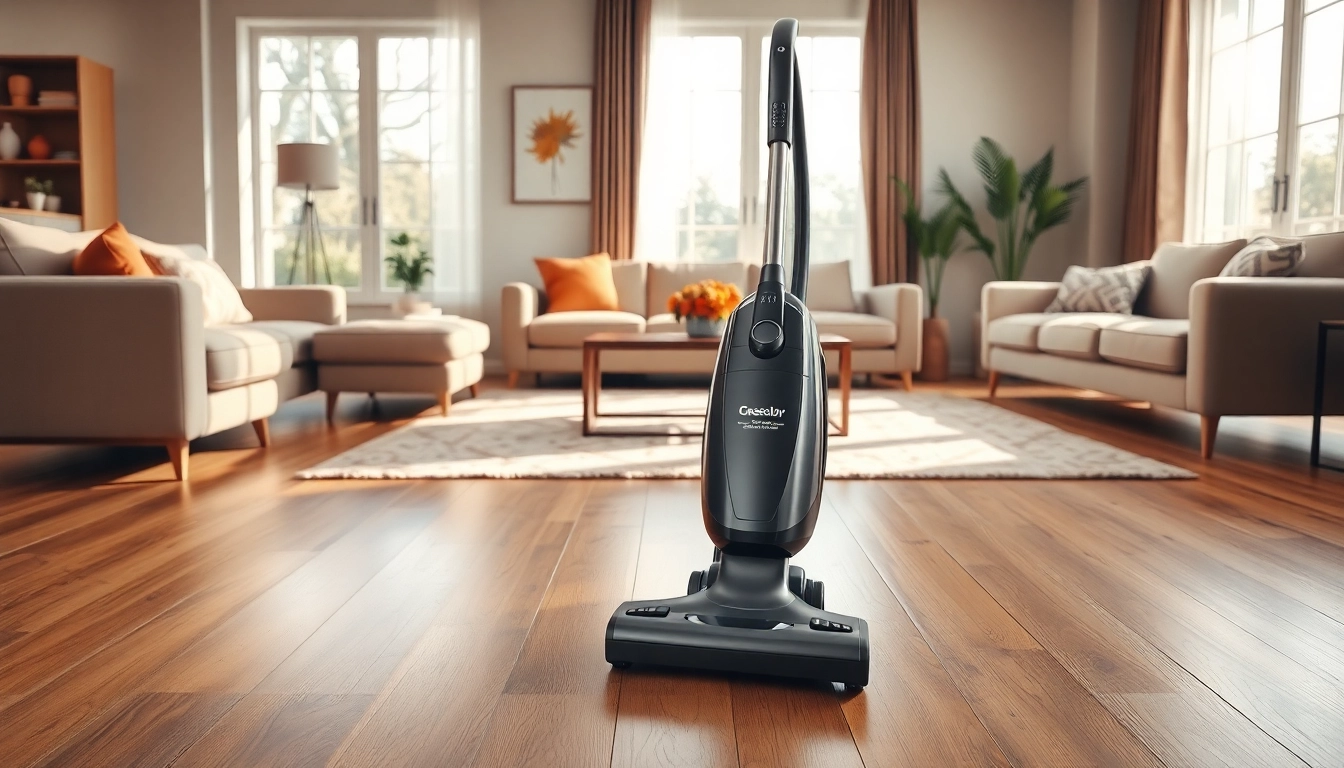
Upright vacuums are one of the most common types found in homes. Their standing design combines the motor and cleaning head into one unit, making them easy to operate. Most upright vacuums are equipped with large dust bags or bins, allowing for extended cleaning times before needing to empty them.
Benefits of Upright Vacuums
- Ease of Use: Standing design allows users to clean without bending over, reducing strain on the back.
- Efficient for Carpets: The brush roll feature in upright vacuums makes them particularly effective for vacuuming carpets and rugs.
- Storage Friendly: Many upright models can be stored vertically, saving space in closets and utility rooms.
3. Robot Vacuum
As technology advances, robot vacuums have become increasingly popular among homeowners. These autonomous cleaning devices navigate through your home, using sensors and algorithms to avoid obstacles and effectively clean various surfaces.
Benefits of Robot Vacuums
- Automation: Robot vacuums can be programmed to clean at specific times, providing a hands-free cleaning solution.
- Compact Design: Their low profile allows them to fit under furniture and reach areas that traditional vacuums may miss.
- User-Friendly: Many robot vacuums come with smartphone controls, enabling users to start, stop, or schedule cleaning sessions remotely.
Key Features to Look for in a Vacuum
Identifying the right vacuum also means understanding the essential features that contribute to its performance. Here are the key features to consider when choosing a vacuum.
1. Suction Power and Filtration
Suction power is arguably the most crucial feature when evaluating a vacuum. A strong motor will result in better suction, meaning more debris and dust will be efficiently removed from your floors. Additionally, filtration systems like HEPA filters are essential for trapping allergens and improving indoor air quality.
2. Size and Weight Considerations
Weight and size can significantly impact the usability of a vacuum. Lightweight models are easier to carry around and can simplify tasks such as cleaning stairs. On the other hand, larger vacuums may have more capacity and additional power.
3. Noise Levels During Operation
No one enjoys a noisy vacuum, especially in homes with babies or pets. Considering the noise level of a vacuum is crucial in maintaining a peaceful home environment. Many modern vacuums are designed to operate quietly while still providing effective suction power.
Best Practices for Vacuum Maintenance
To ensure that your vacuum performs optimally and has a long lifespan, regular maintenance is essential. Here are some best practices to follow:
1. Regular Filter Cleaning
Most vacuums come with filters that can become clogged over time. Regularly cleaning or replacing these filters is vital to maintaining suction power and preventing dust from escaping back into your home.
2. Inspecting and Replacing Belts
In upright vacuums, belts drive the brush roll. It’s important to check these belts periodically for any signs of wear and replace them if necessary to keep the vacuum functioning properly.
3. Maintaining Brushes and Attachments
Brushes and attachments can accumulate hair, dirt, and debris, impacting their effectiveness. Regularly removing hair and cleaning attachments will increase their lifespan and improve cleaning efficiency.
Vacuuming Techniques for Different Surfaces
Every surface in your home requires a unique approach when vacuuming. Understanding how to properly vacuum different surfaces can drastically improve your cleaning efficiency. Here's how to approach various surfaces:
1. Carpets vs. Hard Floors
When vacuuming carpets, adjust the height setting on your vacuum if applicable. This ensures optimal brush contact with the fibers. For hard floors, consider using a vacuum with special attachments that prevent scratching while effectively picking up dirt and debris.
2. Upholstery and Curtains
When cleaning upholstered furniture or curtains, utilize upholstery brushes to effectively lift pet hair and dust without causing damage. Make slow, deliberate strokes to allow the vacuum time to extract debris.
3. Tackling Pet Hair Efficiently
Pet owners know that hair can stick to carpets and upholstery. Using vacuums equipped with specific pet hair attachments or rotating brushes can enhance the removal of stubborn pet hair and dander.
Emerging Trends in Vacuum Technology
The vacuum industry is continually evolving, with technological advancements enhancing user experience and cleaning efficiency. Let’s explore some of the latest trends shaping the future of vacuums:
1. Smart Features for Enhanced Cleaning
Today's vacuums often come equipped with smart technology, allowing for connectivity with smartphones and home automation systems. Users can set schedules, monitor cleaning performance from their devices, and even receive notifications when their vacuum needs maintenance.
2. Eco-Friendly Models and Sustainability
Increasing environmental awareness has sparked the demand for eco-friendly vacuum options. Manufacturers are now creating models that utilize sustainable materials and energy-efficient motors while maintaining suction performance.
3. Innovations in Noise Reduction
As consumers prioritize a quieter cleaning experience, manufacturers are implementing sound-absorbing materials and engineering motor designs that reduce operational noise. These innovations aim to provide an efficient cleaning experience without the disruptive sounds.
By understanding different vacuum types, their key features, maintenance best practices, and emerging technology trends, you can choose the best vacuum for your needs, ensuring a cleaner, healthier living space.