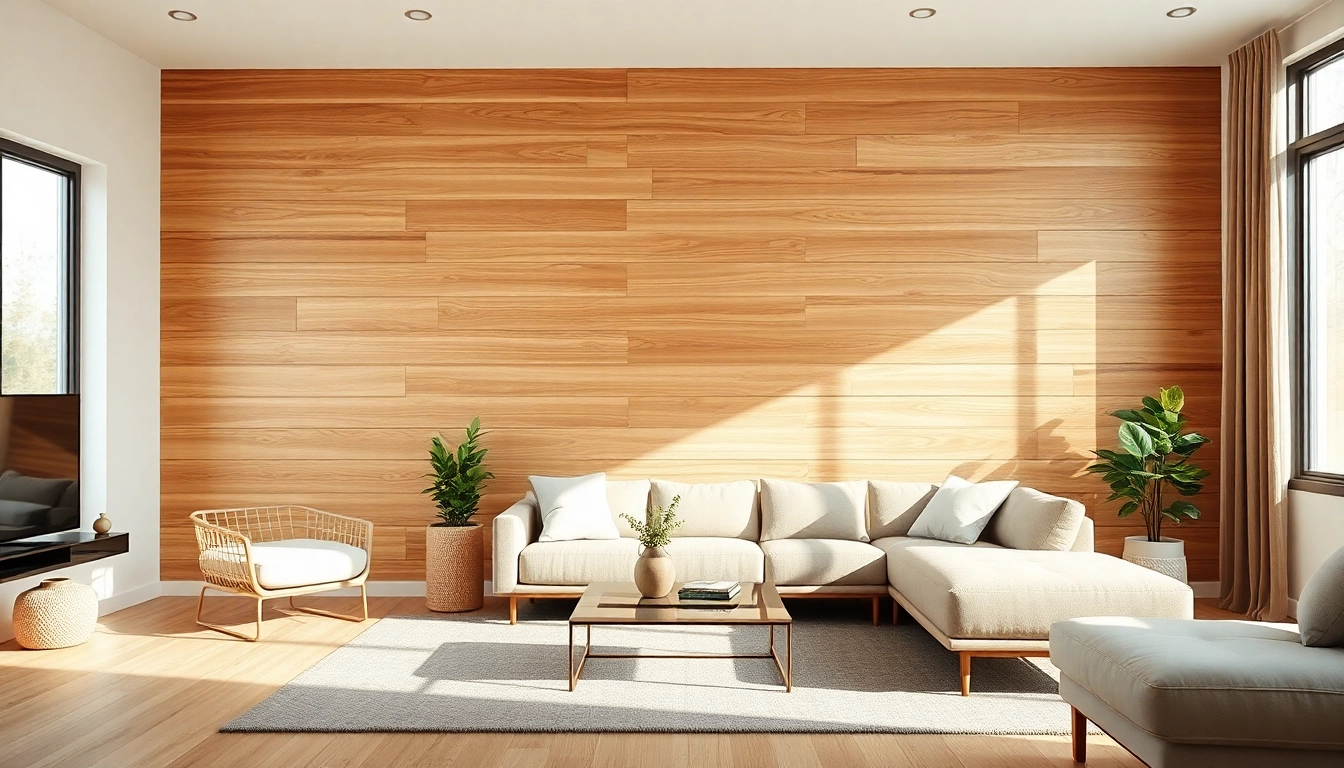
When it comes to enhancing the aesthetic appeal of your home, few design elements can rival the beauty of hardwood wall planks. These versatile materials offer not only a natural warmth and texture but also the ability to transform any space into a stunning visual masterpiece. In this article, we delve into the intricate details surrounding hardwood wall planks, providing you with the knowledge and tools to effectively utilize them in your home or commercial space.
Understanding Hardwood Wall Planks
What Are Hardwood Wall Planks?
Hardwood wall planks are wooden boards crafted from deciduous trees, known for their dense and durable properties. Common hardwood species utilized for wall planks include oak, maple, cherry, and walnut. These planks are typically cut into uniform sizes, enabling easy installation in various configurations. Whether used in residential or commercial settings, hardwood wall planks offer a natural aesthetic that can enhance décor styles from modern to rustic.
Benefits of Using Hardwood Wall Planks
The advantages of using hardwood wall planks extend beyond their obvious aesthetic appeal. Here are several key benefits:
- Durability: Hardwood is well-known for its strength and long life span, making it an excellent investment for wall coverings.
- Insulation: Wooden wall planks provide excellent thermal insulation, helping maintain comfortable indoor temperatures.
- Acoustic Properties: Hardwood can enhance sound quality by reducing echo and noise levels, ideal for both residential and commercial spaces.
- Environmentally Friendly: Sourced responsibly, hardwood is a renewable material, contributing to eco-friendly building practices.
- Versatility: Available in various finishes, colors, and styles, hardwood wall planks can be tailored to match any interior design.
Types of Hardwood Wall Planks Available
Several types of hardwood wall planks exist, each offering unique characteristics and benefits. Here's a closer look:
- Solid Hardwood Planks: Made from a single piece of wood, these planks provide durability and a rich, natural appearance.
- Engineered Hardwood Planks: Composed of multiple layers, engineered planks are more stable than solid wood and less likely to warp.
- Veneer Planks: Consist of a thin layer of hardwood adhered to a substrate, offering a cost-effective way to achieve the hardwood look.
- Reclaimed Wood Planks: Sourced from old barns, buildings, or other structures, reclaimed wood provides a rustic appearance with a history while being eco-friendly.
Choosing the Right Hardwood Wall Planks for Your Space
Factors to Consider When Selecting Wall Planks
When choosing hardwood wall planks, several factors can influence your decision:
- Space Size: In smaller spaces, lighter colors can create an illusion of openness, while darker hues can add warmth to larger areas.
- Style Preferences: Consider your existing décor. Traditional styles may benefit from classic oak, while modern designs might opt for sleek maple or walnut.
- Maintenance: Some hardwoods require more upkeep than others. For busy households, consider more hardy options that withstand wear and tear.
Color and Texture Compatibility
Selecting the right color and texture for your hardwood wall planks is crucial. Here are some tips:
- Complement Existing Furnishings: Match or contrast the color of your wall planks with your furniture for a cohesive look.
- Finish Selection: Different finishes, such as matte or gloss, can drastically alter the perceived color and texture of the wood.
- Texture Variety: Combining smooth and rough textures can create a dynamic visual impact in your space.
Durability and Maintenance Requirements
Hardwood wall planks generally require minimal maintenance but keep the following in mind:
- Cleaning: Regular dusting and occasional damp cloth cleaning are usually sufficient. Avoid harsh chemicals that can damage the finish.
- Feeling of Dampness: If your area experiences high humidity, ensure proper sealing to prevent moisture damage.
- Preventing Scratches: Use furniture pads and regular inspections to maintain the planks’ surface and durability.
Installation Guide for Hardwood Wall Planks
Preparation Steps for Successful Installation
Proper preparation is critical for a successful wall plank installation:
- Tools and Materials: Gather all necessary tools, including a level, measuring tape, saw, nails, and adhesive.
- Wall Inspection: Check for any drywall damage or unevenness; repairs should be made before installation begins.
- Acclimation: Let the hardwood planks acclimate to the room temperature and humidity for several days to prevent warping.
Step-by-Step Installation Process
Follow these steps for a successful installation:
- Measure and mark guideline lines on the wall to ensure straight alignment.
- Start from one corner and apply adhesive or nails according to your preference.
- Continue placing each plank tightly against the previous one, adjusting as needed.
- Cut planks to fit around outlets, windows, or corners using a saw.
- Once installed, allow any adhesive to cure according to manufacturer instructions.
Common Mistakes to Avoid
A successful installation is about more than just following steps. Avoid these common mistakes:
- Neglecting Surface Preparation: Skipping drywall repairs can lead to complications later.
- Incorrect Acclimation: Failing to let planks adapt to the room's conditions can result in warping post-installation.
- Alignment Issues: Not ensuring level lines can lead to misaligned planks and a less polished look.
Style Ideas for Incorporating Hardwood Wall Planks
Modern and Minimalist Designs
For contemporary interiors, consider using hardwood wall planks in a clean, linear arrangement. Light-colored woods such as ash or birch can enhance brightness, creating a calming environment. Pair with minimal decor and streamlined furniture to emphasize the natural beauty of the wood.
Rustic and Farmhouse Aesthetics
Hardwood wall planks are quintessential for achieving rustic charm. Choose reclaimed wood with character and visible grain patterns. Complement this look with traditional furnishings, vintage decor, and cozy textiles to evoke a welcoming farmhouse feel.
Accent Walls and Focal Points
Use hardwood wall planks to create striking accent walls. This design can work beautifully behind headboards, in dining areas, or as a backdrop for entertainment centers. Experiment with different plank orientations, such as vertical or diagonal, to provide added visual interest.
Frequently Asked Questions about Hardwood Wall Planks
Are hardwood wall planks waterproof?
Hardwood wall planks are generally not waterproof; they should be kept away from moisture-prone areas to prevent damage.
How do I clean hardwood wall planks?
Use a soft cloth or a vacuum with a brush attachment to eliminate dust. For deeper cleaning, a damp cloth can be used.
Can hardwood wall planks be painted?
Yes, hardwood wall planks can be painted. Proper surface preparation is essential for good adhesion and finish quality.
Do hardwood wall planks require sealing?
Sealing is recommended to improve durability and protect the wood against stains and moisture exposure.
How much do hardwood wall planks cost?
The cost of hardwood wall planks can vary based on the type of wood and finish, typically ranging from $3 to $10 per square foot.