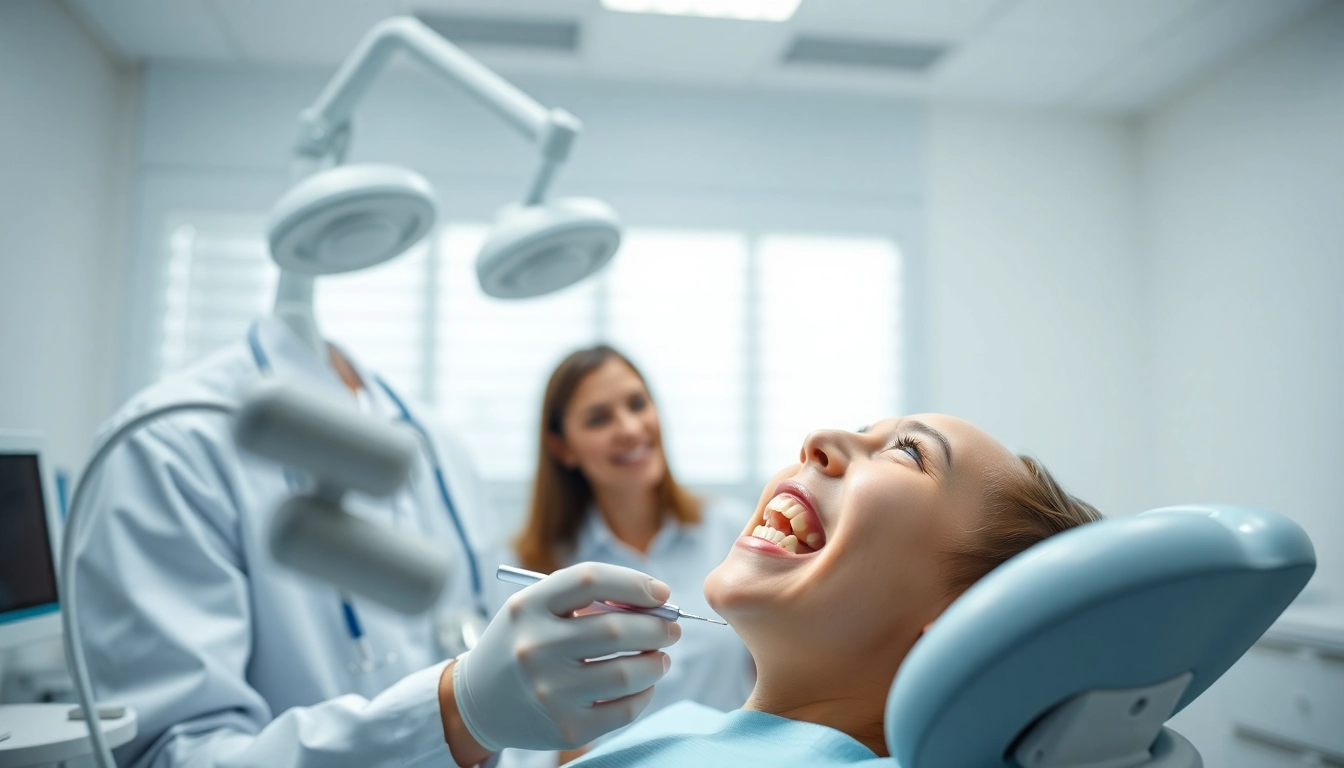
The Importance of Orthodontics in Dental Health
Orthodontics is not just about aesthetics; it plays a crucial role in overall dental health. Misaligned teeth can lead to problems such as tooth decay, gum disease, and even digestive issues. Correcting these misalignments helps in enhancing dental function and improving the overall quality of life. Moreover, orthodontics can boost self-confidence by providing aesthetic improvements in one's smile. The need for orthodontics extends well beyond mere looks.
How Orthodontics Affects Overall Well-being
Misaligned teeth are not only a cosmetic concern but can also lead to physical problems. For instance, bite issues can cause jaw strain, leading to TMJ disorders. Furthermore, crooked or crowded teeth can obstruct proper cleaning, which may result in tooth decay or gum diseases. These dental issues can affect nutrition, as individuals may avoid certain foods due to discomfort or pain. The psychological impacts are equally noteworthy; individuals with a healthy smile tend to have higher self-esteem and improved social interactions.
Common Misconceptions about Orthodontics
Several myths surround orthodontics that may deter people from seeking necessary treatment. A prevalent misconception is that orthodontic care is solely for children and teenagers. While traditionally viewed that way, adults can also benefit tremendously from orthodontic treatment. Another myth is the belief that braces are purely cosmetic, overlooking their functional benefits. Lastly, the notion that orthodontic treatments take excessively long is also incorrect; modern techniques have greatly reduced treatment duration without compromising effectiveness.
Key Indicators for Seeking Orthodontic Treatment
There are specific signs that indicate the need for orthodontic treatment. These include difficulty in chewing, biting, or speaking, crowded or spaced teeth, and jaw misalignment. Additionally, if you frequently experience jaw pain or headaches, these could be signs of a more significant issue that orthodontics can address. Early intervention is especially vital in children, as developing jaws can adjust more easily to treatment.
Types of Orthodontic Treatments Available
Braces: Traditional vs. Modern Alternatives
Braces have been a standard orthodontic solution for decades. Traditional metal braces consist of metal brackets and wires that shift teeth into place. They are often combined with elastic bands to apply additional pressure. In recent years, modern alternatives such as self-ligating braces and lingual braces have emerged. Self-ligating braces reduce friction and may shorten treatment time, while lingual braces provide an invisible option as they are placed behind the teeth. With an array of choices, patients can find a solution that suits their lifestyle and aesthetic preferences.
Clear Aligners: Benefits and Considerations
Clear aligners, including brands like Invisalign, have gained popularity due to their convenience and invisibility. Made of BPA-free plastic, these aligners are removable, allowing for easy cleaning and eating without dietary restrictions. However, they require discipline as they must be worn 20-22 hours a day to be effective. While they are suitable for many orthodontic issues, severe misalignments may still necessitate traditional braces. An assessment by an orthodontics professional can help determine the best option.
Retainers: Aftercare in Orthodontics
Retainers play a crucial role in maintaining the results achieved through orthodontic treatment. After braces or aligners are removed, teeth may shift back to their original positions if not properly retained. There are various types of retainers, including fixed and removable options. Compliance with wear recommendations is essential to ensure long-term success. Regular check-ups are advisable to monitor alignment and make necessary adjustments to the retainer plan.
Choosing the Right Orthodontic Provider
What to Look For in an Orthodontics Specialist
When selecting an orthodontist, credentials and experience should be at the forefront of your decision-making. Look for a specialist who is board-certified and has extensive training in orthodontics. It’s beneficial to inquire about their treatment approach and modalities used, as some may focus more on traditional methods, while others may prioritize modern techniques.
The Importance of Reviews and Recommendations
Personal recommendations from friends, family, or dental professionals can provide valuable insight into the quality of care a provider offers. Online reviews are also beneficial; platforms such as Google and Yelp can give you a glimpse of multiple patient experiences, helping you make an informed decision. Look for feedback on the treatment options, office environment, and staff professionalism.
Questions to Ask during Your First Consultation
Your initial consultation is vital, not just for assessment but also for gauging comfort with the orthodontist. Ask about the treatment duration, expected outcomes, and available financing options. Inquire about the types of appliances used, as well as how they manage emergencies during treatment. Understanding the communication style of your orthodontist is crucial; you want to work with someone who listens to your concerns and explains processes clearly.
Coping with the Orthodontic Experience
Managing Discomfort during Treatment
It's normal to experience some discomfort after the application of braces or the adjustment of aligners. Over-the-counter pain relievers can help alleviate symptoms. Orthodontic wax can also soothe irritation caused by brackets. Additionally, eating soft foods during the initial adjustment period can lessen discomfort. Communicating with your orthodontist about any significant pain or issues is vital, as they can offer solutions or adjustments.
Dietary Adjustments for Orthodontics Patients
Diet plays a significant role during orthodontic treatment. Sticking to softer foods and avoiding hard, sticky, or chewy items can minimize discomfort and prevent damage to appliances. Foods such as yogurt, mashed potatoes, and smoothies are excellent choices. It’s important to maintain a balanced diet, as strong teeth and gums are essential to the success of orthodontics.
Tips for Maintaining Oral Hygiene
Maintaining oral hygiene while undergoing orthodontic treatment requires extra diligence. Brushing after every meal is crucial, as food particles can easily become trapped in braces. Using a manual or electric toothbrush with a fluoride toothpaste is advisable—flossing should also be incorporated to clean between teeth and around brackets. Antimicrobial rinses can provide additional protection against plaque buildup.
Measuring Success in Orthodontics
What to Expect After Orthodontic Treatment
Post-treatment, patients can expect their smiles to be straighter, more aligned, and functionally improved. However, some minor shifting can occur post-treatment, making retainer use essential. Photographs and regular check-ups with your orthodontist can help monitor your progress and the stability of your new smile.
Orthodontic Progress Monitoring Techniques
Tracking progress during treatment is critical. Orthodontists may use various methods, such as periodic X-rays and photographs, to assess tooth movement and alignment. Patients should be encouraged to share any concerns regarding comfort or function. Additional adjustments might be necessary to ensure the best results.
Long-term Benefits of Proper Orthodontics
The benefits of proper orthodontic treatment extend well into adulthood. Well-aligned teeth are easier to clean, reducing the risk of decay and gum diseases. Furthermore, having a properly aligned bite can positively affect jaw relationships, minimizing strain on jaw muscles. Enhanced aesthetics can improve confidence and encourage better oral health habits, making orthodontics a worthy investment.
FAQs about Orthodontics
1. How long does orthodontic treatment usually take?
The length of treatment can vary widely, typically ranging from 6 months to 3 years, depending on the complexity of the case.
2. At what age should children be evaluated for orthodontics?
It’s generally recommended that children have their first orthodontic evaluation by age 7 to monitor growth and development.
3. Are braces painful?
While discomfort may be experienced following adjustments, it can often be managed with over-the-counter pain relief.
4. Can adults get orthodontic treatment?
Yes, orthodontic treatment is suitable for adults, and many are choosing to correct their smiles later in life.
5. What is the cost of orthodontic treatment?
The cost varies widely based on the type of treatment and complexity, often ranging from a few thousand to several thousand dollars.