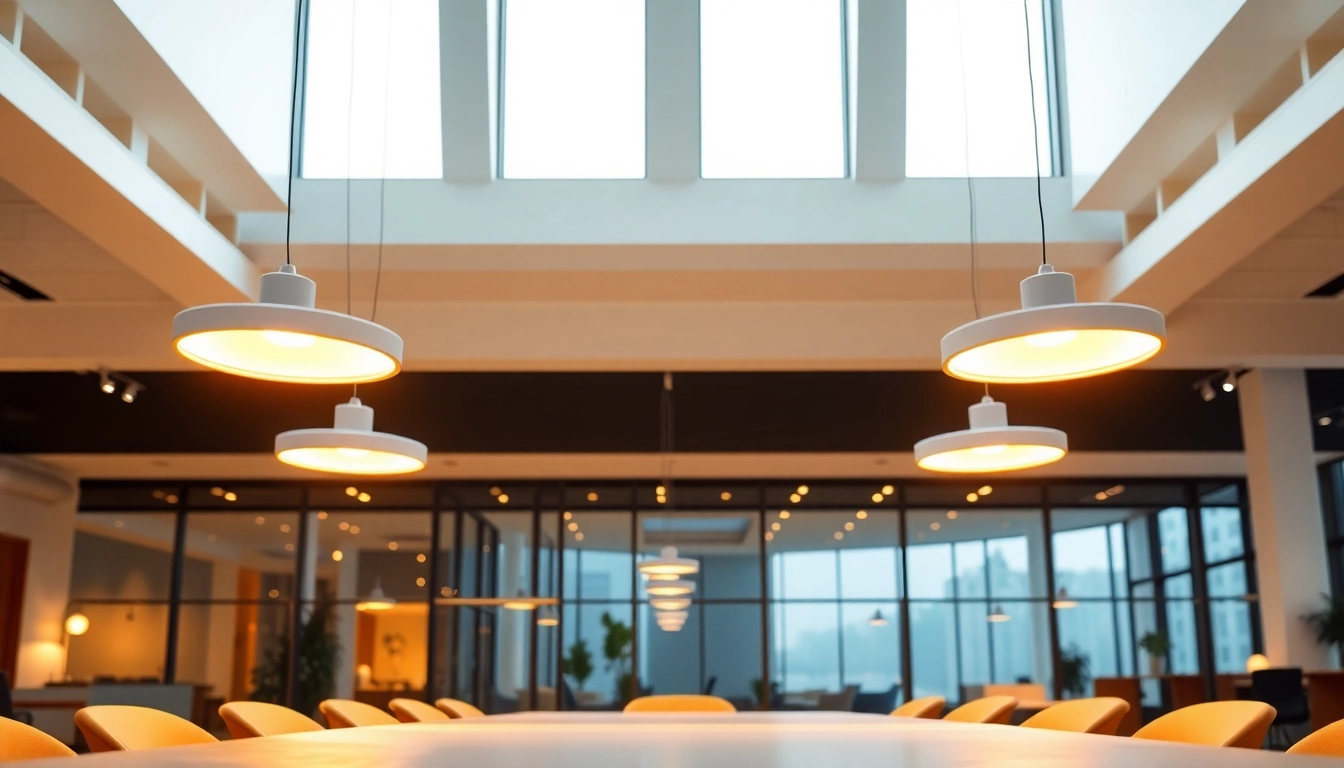
Understanding the Importance of Lighting Solutions
In every workspace, the quality of lighting significantly impacts productivity, mood, and overall employee well-being. Effective lighting solutions not only illuminate the area but also enhance aesthetics and functionality. By understanding the integral role of lighting in our environments, we can unlock better performances across various tasks and activities. This article will delve into the importance of lighting solutions, explore diverse types, practical implementation strategies, innovative trends, and ways to measure their impact.
The Role of Lighting in Work Settings
Lighting goes beyond mere visibility; it sets the tone and atmosphere of a workspace. Proper illumination can enhance focus, reduce eye strain, and promote comfort, leading to better decisions and increased efficiency. Additionally, effective lighting can affect employees’ moods positively, fostering a more dynamic and creative environment. From offices to factories, each setting has unique lighting needs that can significantly influence operations.
Common Lighting Issues and Solutions
Several common issues arise in work environments regarding lighting. Inadequate lighting can lead to accidents and decreased productivity, while overly bright lights may cause discomfort or distraction. Flickering lights can be disruptive and irritating. Solutions include assessing existing light sources, switching to LED options for efficiency, and balancing light levels with the tasks at hand. It’s essential to take a holistic approach that considers all these factors to create a conducive workspace.
Benefits of Proper Lighting
Implementing proper lighting solutions comes with numerous benefits. Enhanced visibility minimizes the likelihood of errors and improves safety, while appropriate color temperatures can influence employee moods. Investment in effective lighting enhances overall workspace aesthetics and can reduce energy costs dramatically, particularly with modern LED systems. Ultimately, the right lighting impacts not only employee well-being but also the bottom line of businesses.
Types of Lighting Solutions for Work Environments
Different spaces require varying lighting solutions tailored to specific functions. Understanding these types can lead to more effective and strategic lighting decisions.
Ambient Lighting Options
Ambient lighting is the foundation of a well-lit workspace, providing overall illumination. Solutions can include ceiling-mounted fixtures, wall sconces, and window placements that allow natural light. The key is achieving a balance that avoids harsh shadows while providing sufficient coverage for all activities. Strategies like using dimmable lights or adjustable fixtures can help customize the atmosphere according to specific needs.
Task Lighting Considerations
Task lighting is crucial in areas where precision work occurs. It focuses light directly onto work surfaces, minimizing shadows for better visibility. Options such as desk lamps, under-cabinet lighting, and focused overhead lights can enhance productivity. When choosing task lighting, consider factors such as brightness, color temperature, and adjustability to ensure it serves its functional purpose without causing glare or eye fatigue.
Accent Lighting Approaches
Accent lighting serves to draw attention to specific areas or features within a workspace, adding aesthetic appeal. This type of lighting can be used to highlight artwork, architectural details, or important spaces like conference rooms. LED strip lights and spotlights are commonly used for accent lighting, enabling flexibility and creativity in design while enhancing the overall environment.
Implementing Lighting Solutions Effectively
To fully leverage the benefits of lighting solutions, careful implementation is key. This section provides guidance on assessing your space, selecting fixtures, and adhering to installation best practices.
Assessing Your Space
Before investing in lighting solutions, assess the physical layout and the specific needs of your work environment. Evaluate the size of rooms, the functions performed in each area, and any existing sources of natural light. Understanding these elements allows for the creation of a tailored lighting plan that meets the unique requirements of your space.
Choosing the Right Fixtures
Selecting the appropriate lighting fixtures involves balancing aesthetics with functionality. Consider integrating a mix of ambient, task, and accent lighting for a well-rounded approach. Aesthetically pleasing fixtures can enhance the workspace while providing the necessary light. Investigating energy efficiency ratings and maintenance costs can further ensure that the selections made provide long-term benefits and value.
Installation Best Practices
Proper installation of lighting fixtures is crucial to maximize their effectiveness. Engage trained professionals familiar with electrical codes and design principles. Ensure that fixtures are positioned to provide adequate light for their intended purposes while avoiding glare and minimizing energy waste. Regular maintenance and periodic assessments can help sustain optimal performance over time.
Innovative Lighting Solutions Trends
The lighting industry is evolving rapidly, with innovations that transform how we approach lighting in work environments. Being aware of these trends can lead to smarter, more effective lighting solutions.
Sustainable Lighting Practices
Sustainability has become a significant focus within the industry. Emphasizing energy-efficient systems, such as LED lights, reduces carbon footprints and lowers energy costs. Also, consider integrating natural light solutions through window designs or smart glass to minimize reliance on electric lighting. Engaging in sustainable practices not only abides by ethical standards but can also improve corporate image and employee satisfaction.
Smart Lighting Technologies
Smart lighting technologies are transforming traditional lighting systems. Features like automation, motion sensors, and app-controlled systems allow for customizable and energy-conscious lighting experiences. Implementing smart solutions can optimize performance based on actual usage patterns, significantly reducing energy consumption and enhancing user convenience.
Design Trends in Lighting Fixtures
Today's lighting fixtures are not only functional but also decorative elements in workspace design. Trends include minimalistic approaches, multi-functional designs, and the integration of color-changing LEDs. Selecting fixtures that align with these trends can augment the overall aesthetic of the workspace while ensuring that practical needs are met.
Measuring the Impact of Lighting Solutions
To validate the effectiveness of lighting solutions, it's essential to measure their impact consistently. This section discusses evaluating performance metrics, gathering feedback, and examining case studies of successful implementations.
Evaluating Performance Metrics
Quantitative measures, such as employee productivity levels, error rates, and energy savings, are crucial in assessing lighting solutions' effectiveness. Establishing baseline performance metrics prior to making changes allows for clear comparisons. Continuous monitoring, including employee satisfaction surveys, can provide insightful data about the perceived impacts of new lighting systems.
Feedback and Adjustments
Gathering consistent feedback from employees regarding lighting quality is imperative. Regularly conducting surveys or discussions can help identify any additional adjustments or improvements needed. Engaging the workforce in evaluating lighting solutions fosters a sense of ownership and satisfaction among employees, leading to a more conducive work atmosphere.
Case Studies of Successful Implementations
Examining case studies from various organizations that successfully implemented innovative lighting solutions can serve as a guide. These examples can highlight specific actions taken, challenges faced, and the measurable impacts of those changes. Learning from real-world applications can inspire other organizations to adopt practices that suit their unique needs, ultimately leading to more efficient workplaces.
Frequently Asked Questions About Lighting Solutions
1. What types of lighting solutions are best for offices?
A combination of ambient, task, and accent lighting works best for offices. Ambient lighting provides general illumination, task lighting focuses on specific areas, and accent lighting adds aesthetic appeal.
2. How do I choose the right light fixtures?
Consider the space's function, aesthetic preferences, energy efficiency, and maintenance needs when selecting light fixtures. A mix of styles often yields the best results.
3. What are the benefits of smart lighting?
Smart lighting offers automation, energy efficiency, and customization through apps. It reduces energy consumption while enhancing convenience and adaptability in a workspace.
4. How can I improve lighting in older buildings?
Upgrade to energy-efficient LED fixtures, integrate more natural light through window improvements, and incorporate task lighting in specific areas to enhance visibility in older buildings.
5. Are there sustainable options for lighting solutions?
Yes! Sustainable options include LED lights, solar-powered fixtures, and designs emphasizing natural light. These choices reduce energy costs and promote a greener work environment.