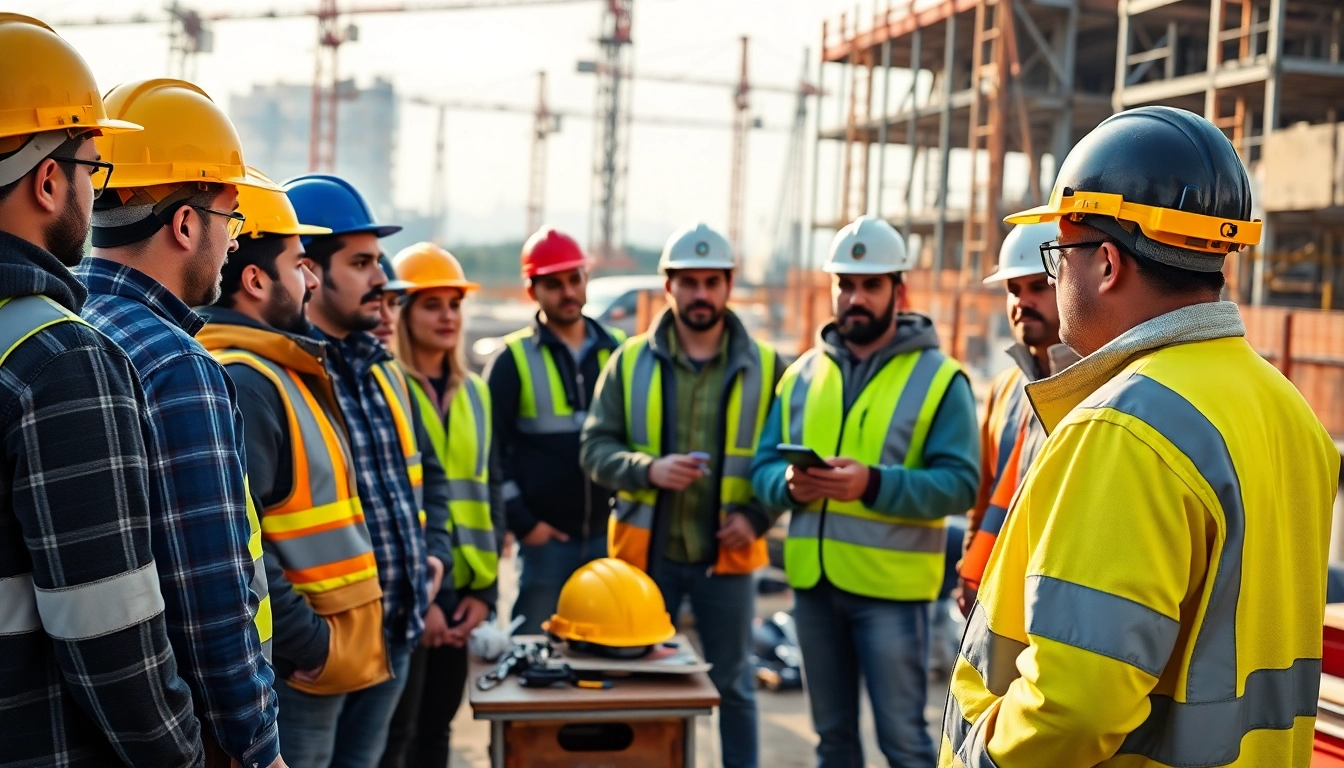
Understanding the Importance of Construction Safety Training
In the construction industry, safety is paramount. Each year, countless workers face injuries or even fatalities due to workplace hazards. This reality underlines the crucial need for construction safety training. This training equips workers with the knowledge and skills to identify risks, implement safety measures, and respond appropriately in emergencies, ultimately fostering a safer work environment. Let's dive deeper into why safety training is essential in construction.
Risk Factors in Construction Environments
Construction sites are inherently dangerous places. Workers often encounter several hazards that can lead to injuries or accidents. Some of the most common risk factors include:
- Heavy machinery and equipment operations
- Working at heights, increasing risk of falls
- Electrical hazards from exposed wires
- Hazardous materials such as asbestos or chemicals
- Inadequate personal protective equipment (PPE)
Understanding these risk factors is the first step in mitigating them. Safety training prepares workers to recognize dangers and maintain vigilance on-site.
The Role of Safety Training in Reducing Accidents
Safety training plays a pivotal role in reducing workplace accidents. Well-trained employees demonstrate improved hazard recognition and compliance with safety protocols. For example, training programs often utilize simulations and hands-on drills that enhance workers' abilities to react quickly in emergencies. Statistics demonstrate that construction sites with comprehensive safety training report significantly fewer incidents than those without such training.
Legal Requirements for Safety Training
In many jurisdictions, construction safety training is not just a best practice—it's a legal requirement. Occupational Safety and Health Administration (OSHA) regulations mandate specific training for employees in construction. Adhering to these regulations is essential for compliance and helps protect organizations from fines and legal liabilities. Training also fosters a culture of safety, ensuring both employers and employees prioritize health on the job.
Key Components of Effective Construction Safety Training
Essential Safety Equipment and Usage
Effective construction safety training encompasses knowledge about essential safety equipment. Familiarizing workers with PPE such as helmets, harnesses, goggles, and gloves is critical. Trainers should emphasize proper usage and maintenance of this equipment, as improper use can negate its protective qualities. Furthermore, regular inspections and replacements of safety gear should be encouraged to ensure optimal protection.
Training Methods: Classroom vs. Field Training
Effective training can take various forms, with classroom instruction and field training being the two primary methods. Classroom training provides foundational knowledge about regulations, safety protocols, and emergency procedures. However, field training is equally valuable as it familiarizes workers with real-life scenarios and equipment use. A blended approach that combines theoretical knowledge with practical application tends to yield the best results in terms of safety awareness and compliance.
Incorporating Technology in Training Programs
The integration of technology into safety training programs can enhance engagement and retention. Utilizing tools such as virtual reality (VR) or augmented reality (AR) can create immersive training experiences that simulate realistic scenarios. Online training platforms also offer flexibility, allowing workers to access materials at their pace and revisit challenging concepts. As technology evolves, these tools will likely become integral to effective safety training.
Best Practices for Implementing Construction Safety Training
Creating a Comprehensive Safety Training Plan
Developing a comprehensive safety training plan is paramount for any construction organization. This plan should outline the objectives of the training, the required content, and the methods of delivery. Engaging safety experts to contribute to training materials ensures that content is relevant and adheres to current standards. Periodic reviews of the training plan are necessary to adapt to changing regulations and advancements in safety technology.
Engaging Employees in Safety Culture
Fostering a safety culture within the workforce enhances the effectiveness of training programs. Employee engagement can be achieved through regular safety meetings, open forums for discussing concerns, and recognizing safe behavior. Encouraging workers to take ownership of their safety and participate actively in training leads to improved morale and adherence to safety protocols.
Regular Training Updates and Refreshers
Construction environments are dynamic and often change due to new projects, equipment, or safety regulations. Regularly scheduled training updates and refresher courses are essential to keep all employees informed about the latest safety measures. These updates can cover new legislation, updated safety procedures, or even lessons learned from past incidents. Consistent reinforcement of safety concepts helps internalize safe practices among workers.
Evaluating the Effectiveness of Safety Training Programs
Metrics to Measure Improvement in Safety Performance
Measuring the effectiveness of safety training programs is essential to ensure continuous improvement. Some useful metrics include the number of incidents reported before and after training, rates of injury and near-misses, and employee feedback. Tracking these metrics over time allows organizations to assess whether their training efforts are producing significant improvements in overall safety performance.
Gathering Feedback from Participants
Gathering feedback from participants is crucial for refining safety training programs. Surveys and informal discussions can yield insights into what aspects of the training were effective and which areas need improvement. Encouraging candid feedback fosters a sense of ownership and collaboration toward a safer work environment.
Adjusting Training Strategies Based on Evaluation
The ultimate goal of evaluating safety training programs is to refine and enhance them. Using the data collected from metrics and participant feedback, organizations can adjust training strategies to better meet the needs of their workers. This adaptive approach ensures that training remains relevant and impactful, leading to ongoing improvements in workplace safety.
Frequently Asked Questions About Construction Safety Training
What is construction safety training?
Construction safety training educates workers on regulations and safe practices to minimize job site hazards.
How often should safety training be conducted?
Safety training should occur regularly, ideally annually, or when new equipment or procedures are introduced.
Who is required to undergo safety training?
All workers on a construction site, including subcontractors, must receive safety training specific to their roles.
What topics are included in safety training programs?
Topics typically include hazard recognition, personal protective equipment, and emergency response procedures.
Can safety training reduce workplace accidents?
Yes, effective safety training significantly reduces accidents by improving awareness and compliance among workers.