Getting Started with Gardening Basics
Embarking on a gardening journey can be both exciting and rewarding. Whether you dream of vibrant flowers adorning your yard or lush vegetables enhancing your meals, understanding your approach to Gardening is essential. The initial steps you take can lay the foundation for a flourishing garden, so let’s dive into some fundamental principles to help you begin.
Understanding Your Gardening Space
Before planting, assess your gardening space carefully. Take note of the location’s sun exposure, wind patterns, and soil type. Sunlight is vital for plant growth; most vegetables and flowers thrive in 6-8 hours of sunlight per day. Identify which areas receive full sun and which may be partially shaded. Knowing your garden's microclimates can help you make informed decisions when selecting plants.
Additionally, examine the soil. Is it sandy, clayey, or loamy? Each type has distinct characteristics that affect drainage and nutrient retention. A quick soil test can tell you a lot about pH levels and the presence of essential nutrients. Local agricultural extension offices often provide resources for soil testing and analysis.
Selecting the Right Plants for Your Garden
Choosing the right plants involves not only personal preference but also understanding your gardening zone. Research plants that thrive in your specific climate and adapt to your soil conditions. Native plants require less maintenance and are generally more resilient. Consider starting with easy-to-grow vegetables such as lettuce, radishes, or zucchini if you are new to gardening.
Moreover, think about the gardening techniques you prefer. For instance, do you wish to try container gardening, vertical gardening, or traditional garden beds? Each method influences plant selection. Be mindful that some plants require companions to thrive, while others do best alone. Familiarize yourself with companion planting strategies to make the most of your space.
Tools You Need for Successful Gardening
Equipping yourself with the right tools can simplify Gardening tasks. Essential tools include:
- Hand trowel: Perfect for digging holes, transplanting seedlings, and mixing soil.
- Pruning shears: Essential for maintaining plant health by trimming dead leaves and stems.
- Garden fork: Useful for loosening compacted soil and mixing in amendments.
- Watering can or hose: Appropriate watering methods help ensure your plants stay hydrated.
- Gloves: Protect your hands from thorns, soil, and other irritants.
Investing in high-quality tools can save time and effort. As your gardening skills develop, you might consider adding more specialized tools to your arsenal.
Soil Preparation Techniques for Optimal Growth
Good soil is the cornerstone of successful Gardening. Preparing your soil before planting ensures that your plants have the best possible environment for healthy growth. Let’s explore key techniques for soil preparation.
Testing Soil Quality and Nutrients
Gradually, you’ll want to assess your soil’s quality. A soil test can reveal pH levels, nutrient deficiencies, and the organic matter content. Most plants prefer a slightly acidic to neutral pH of about 6.0 to 7.0. Correcting pH imbalances can be done by adding lime to raise the pH or sulfur to lower it.
Amending Soil for Better Plant Health
Once you understand your soil's characteristics, you can amend it as needed. Common amendments include:
- Compost: Adds fertility and improves soil structure.
- Peat moss: Enhances moisture retention and aeration.
- Perlite or Vermiculite: Improves drainage and aeration.
Mix amendments thoroughly and allow them to integrate with the existing soil for a week or two before planting. This period allows beneficial microorganisms to start working and improves soil health.
Composting Basics for Fertile Soil
Composting is an excellent way to recycle organic material and enrich your garden soil. Start a compost pile using kitchen scraps (fruits, vegetables), yard waste (grass clippings, leaves), and other organic materials. Maintain a balance of “green” (wet, nitrogen-rich) and “brown” (dry, carbon-rich) materials for a healthy compost environment.
Ensure proper aeration by turning the pile every few weeks, which will speed up decomposition. In 3 to 6 months, your compost will transform into nutrient-rich humus, ready to feed your plants and improve soil structure.
Watering and Care Practices in Gardening
Proper watering practices are crucial for the success of your gardening efforts. Understanding how to care for your plants will help you cultivate a vibrant and productive garden. Let’s delve into effective watering strategies.
Establishing an Effective Watering Schedule
Creating a consistent watering routine can significantly affect your plants’ health. It’s best to water early in the morning or in the late afternoon when evaporation is minimal. The goal is to provide about 1 inch of water per week for most plants. During particularly hot or dry spells, you may need to increase this amount.
Additionally, consider using drip irrigation or soaker hoses. These methods apply water directly to the plant roots, minimizing wastage and preventing fungal diseases associated with overhead watering.
Signs of Overwatering vs. Underwatering
Recognizing signs of overwatering or underwatering is vital for maintaining plant health:
- Overwatering signs: Yellowing leaves, wilting, root rot, and mold growth.
- Underwatering signs: Brown leaf tips, wilting, and stunted growth.
To gauge moisture levels, check the top 1-2 inches of soil. If it feels dry to the touch, it's time to water.
Seasonal Care Tips for Different Plants
Different seasons bring various challenges and opportunities for your garden. Adjust your care routine accordingly:
- Spring: Start new seedlings, apply fertilizers, and prepare soil.
- Summer: Water regularly, apply mulch to reduce evaporation, and monitor for pests.
- Fall: Harvest crops, prepare for winter, and mulch perennial plants.
- Winter: Protect plants from extreme cold and consider indoor gardening options.
Gardening Pest Control Strategies
Gardening without dealing with pests is rare. Understanding pest control strategies can help you protect your plants while promoting a healthy ecosystem. Let's explore effective pest management techniques.
Identifying Common Garden Pests
The first step in pest control is identifying potential threats. Common garden pests include aphids, slugs, spider mites, and whiteflies. Regularly inspect your plants for any signs of infestation, such as webbing, holes in leaves, or sticky residue.
Natural Pest Control Methods
There are several environmentally friendly methods for managing pests:
- Handpicking: For larger pests, like slugs and caterpillars, manually removing them can be effective.
- Beneficial insects: Introduce ladybugs or lacewings, which will feed on harmful pests.
- Neem oil: A natural pesticide that disrupts the life cycle of many pests without harming beneficial insects.
Preventative Measures for a Healthy Garden
Prevention is often the best strategy for maintaining a pest-free garden. This includes:
- Practicing crop rotation to disrupt pest cycles.
- Keeping the garden clean and free of debris where pests can hide.
- Choosing resistant plant varieties when available.
Harvesting and Maintenance of Your Garden
The culmination of your hard work is the harvest. Knowing when and how to harvest your crops is crucial for maximizing flavor and nutritional value.
When and How to Harvest Your Produce
Timing your harvest is key. Many fruits and vegetables develop their best flavors when harvested at the peak of ripeness. For instance:
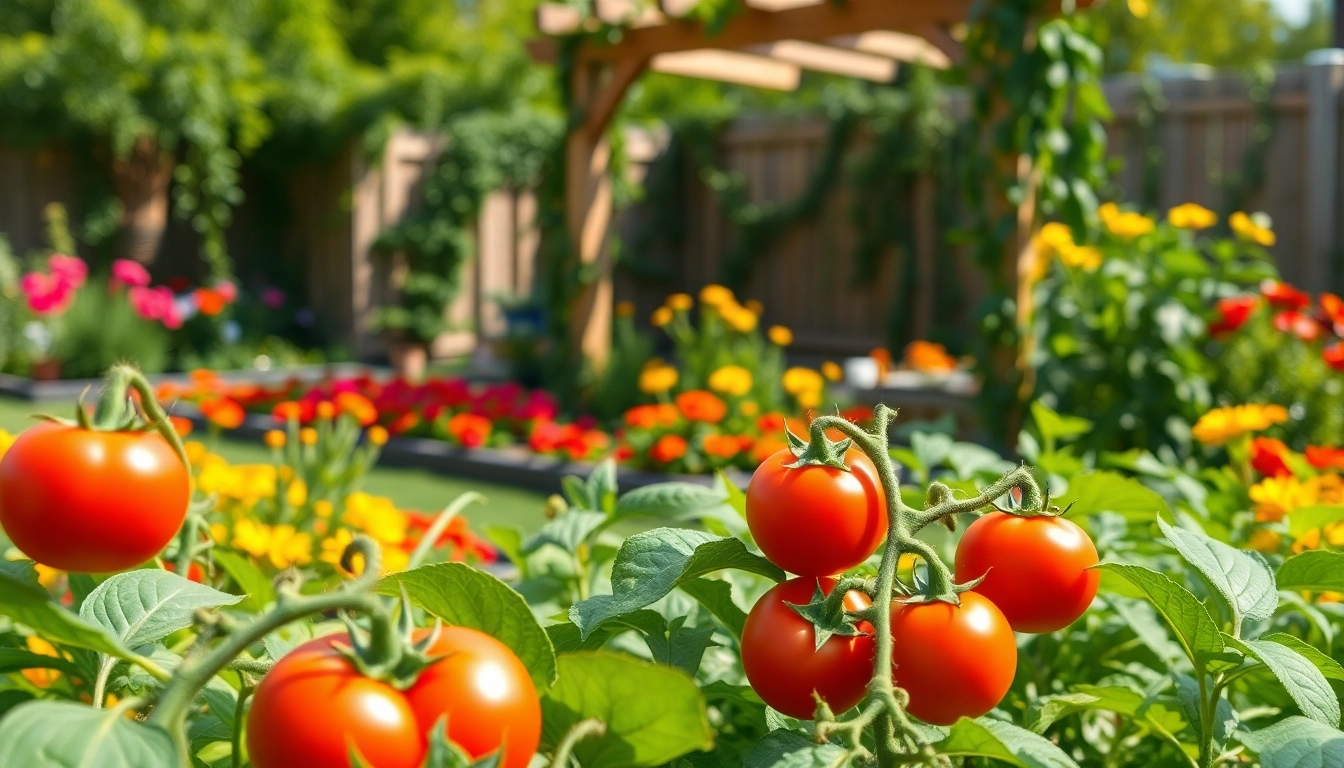
- Tomatoes: Harvest when they are deep red and slightly soft to the touch.
- Carrots: Check under the soil to ensure they’ve reached a desirable size.
- Beans: Pick when pods are firm but not yet brittle.
Proper Storage Techniques for Fresh Vegetables
Storing your harvest correctly helps maintain freshness and extends shelf life. For example:
- Root vegetables should be kept in a cool, dark place.
- Leafy greens do best wrapped in damp paper towels and stored in the refrigerator.
- Most fruits can be kept at room temperature until ripe, then refrigerated if necessary.
Preparing Your Garden for the Next Season
Once harvesting concludes, preparing your garden for the next season is key to ongoing success. This involves:
- Removing any dead plants or debris to reduce pest populations.
- Adding organic matter and amendments to rebuild soil health.
- Planning your next crop rotation based on what has been planted.
By following these steps, you can create a sustainable gardening practice that yields bountiful rewards year after year. Embrace the joy of nurturing your plants, understanding their needs, and adapting your practices to cultivate the best results in your gardening endeavors.