Introduction to Gardening Basics
Gardening has become a beloved hobby and a vital part of sustainable living for many. It’s not just about cultivating plants; it encompasses the art and science of nurturing life. Whether you transform your backyard into a vegetable paradise or dedicate yourself to ornamental flowers, a basic understanding of Gardening is essential for success. This article will guide you through the fundamentals of gardening, providing you with the knowledge to create a thriving green space.
Understanding Soil and Its Importance in Gardening
Soil is the foundation of any garden. Understanding its composition and properties can significantly impact the growth of your plants. Healthy soil consists of minerals, organic matter, air, and water, playing a crucial role in plant health.
The three main types of soil are sand, silt, and clay. Each type has distinct characteristics:
- Sand: Drains quickly but lacks nutrients.
- Silt: Retains moisture and is nutrient-rich but may compact easily.
- Clay: Holds nutrients well but drains slowly, potentially leading to root rot.
Amending soil with organic materials, such as compost, can improve its texture and nutrient content, making it more hospitable for plants. Testing your soil’s pH level will also provide insights into the necessary amendments needed to foster optimal plant growth.
Selecting the Right Plants for Your Climate
Choosing plants suited to your climate zone is a sophisticated aspect of gardening that often dictates success or failure. Each plant species has a preferred temperature range, humidity level, and seasonal pattern.
To find plants that thrive in your area's climate, consider factors like:
- USDA Plant Hardiness Zones: A map that divides regions based on minimum winter temperatures.
- Microclimates: Small areas within a larger climate zone that may have unique temperature, moisture, and light conditions.
- Native vs. Non-native Plants: Native plants are adapted to local conditions and often require less maintenance.
Tools and Materials You Need to Start Gardening
Having the right tools makes gardening far more efficient and enjoyable. Here are some essential tools every gardener should consider:
- Hand Trowel: Ideal for digging, turning soil, and transplanting.
- Pruning Shears: Crucial for trimming and shaping plants to encourage healthy growth.
- Watering Can or Hose: Essential for keeping your plants hydrated; consider adding a soaker hose for even watering.
- Gloves: Protect your hands from dirt and thorns while working.
- Garden Rake and Hoe: Useful for breaking up soil and creating plant rows.
Essential Gardening Techniques for Beginners
Planting Methods: Seeds vs. Seedlings
When starting your garden, you can choose between planting seeds or using seedlings. Both have their advantages:
- Seeds: More cost-effective and comes in a wider variety. Seeds require more time to germinate and establish roots.
- Seedlings: Allows for faster garden establishment and less risk of disease, though they are typically more expensive.
Choosing the right planting method depends on factors like the plant type, your climate, and the length of your growing season.
Watering Strategies for Optimal Growth
Watering is one of the most crucial aspects of gardening. Efficient watering techniques help avoid over and under-watering. Consider the following strategies:
- Deep Watering: Encourages roots to grow deeper into the soil.
- Time of Day: Watering early in the morning or late afternoon reduces evaporation.
- Mulching: Use organic materials like straw or bark to retain soil moisture and suppress weeds.
Fertilization: Natural vs. Chemical Options
Fertilization provides plants with essential nutrients to promote growth. Options can be divided into two categories:
- Natural Fertilizers: Compost, manure, and organic fertilizers improve soil health and provide nutrients without harmful chemicals.
- Chemical Fertilizers: Offer quick nutrient infusion but can lead to soil degradation if overused.
When determining the best fertilization strategy, consider testing your soil to identify nutrient deficiencies.
Creating a Sustainable Garden Environment
Composting: Turning Waste into Garden Gold
Composting is an environmentally friendly method of recycling kitchen and garden waste. Not only does it reduce landfill waste, but it also creates nutrient-rich soil. Here are the critical steps to start composting:
- Choose a Bin: Select a compost bin or pile that fits your space.
- Add Green and Brown Materials: Mix green materials (nitrogen-rich) like vegetable scraps with brown materials (carbon-rich) like dried leaves.
- Turn Your Pile: Aerate your compost by turning it regularly to speed up decomposition.
- Monitor Moisture: Keep the compost damp like a wrung-out sponge.
Making Use of Native Plants in Gardening
Integrating native plants into your garden is beneficial for multiple reasons:
- Native plants are typically more resilient to local pests and diseases.
- They require less maintenance and water, making them ideal for sustainable gardening.
- They foster biodiversity by attracting local wildlife, including pollinators.
Research local native plant species and consider incorporating them into your garden design.
Understanding Pollinators’ Role in Your Garden
Pollinators, including bees, butterflies, and hummingbirds, play a crucial role in the ecosystem. They are essential for plant reproduction, which can enhance your garden's productivity. To support these beneficial creatures:
- Plant a diverse array of flowers that bloom at different times.
- Avoid using pesticides that can harm pollinators.
- Provide habitats, such as bee hotels or insect shelters, in your garden.
Advanced Gardening Strategies
Crop Rotation and Companion Planting for Healthier Yields
Crop rotation and companion planting are two advanced techniques that enhance soil health and plant productivity. Crop rotation involves alternating different crops in the same area to prevent soil depletion and pest accumulation. For instance, following nitrogen-demanding crops with nitrogen-fixing legumes can replenish nutrients.
Companion planting optimizes space and can deter pests. For example, planting marigolds alongside tomatoes can repel nematodes. Understanding the relationships between different plants can help maximize your garden's yield.
Integrating Technology into Gardening Practices
Technology is rapidly transforming gardening. From automated watering systems to apps that monitor plant health, utilizing technology can cultivate efficiency. Consider installing:
- Smart Irrigation Systems: Devices that adjust watering schedules based on weather conditions.
- Soil Sensors: Tools that assess moisture levels and nutrient content.
- Gardening Apps: Platforms that provide guidance on planting schedules, pest management, and care tips.
Gardening for Biodiversity: Encouraging Wildlife
Creating a biodiverse environment fosters a balanced ecosystem. Encourage wildlife in your garden by:
- Planting a variety of species to provide different habitats.
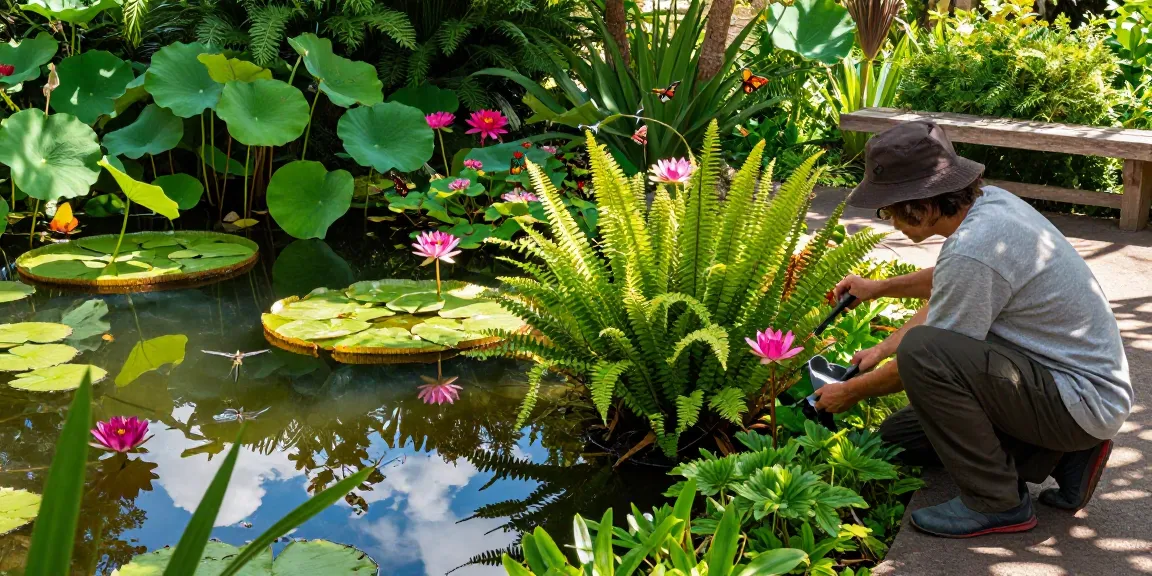
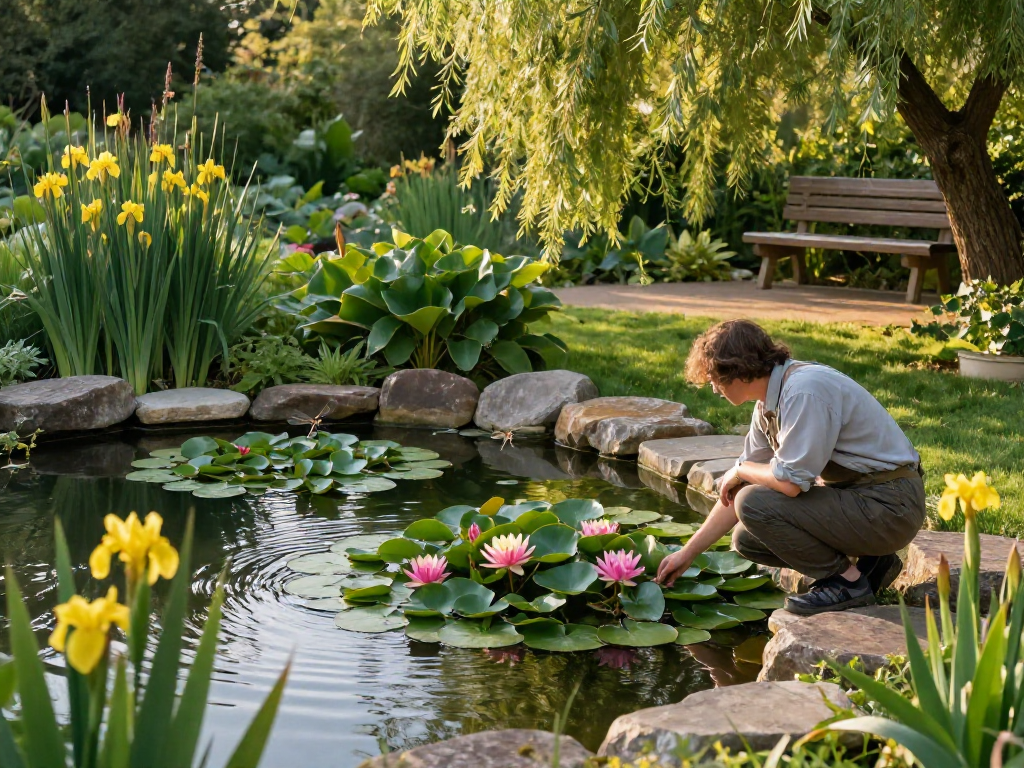
- Creating water features like birdbaths or small ponds to attract animals.
- Avoiding monocultures that limit food sources for wildlife.
Common Gardening Mistakes and How to Avoid Them
Pest Management: Natural Solutions for Common Pests
Even seasoned gardeners encounter pest challenges. The key is to manage them sustainably:
- Natural Predators: Encourage beneficial insects like ladybugs that prey on aphids.
- Homemade Sprays: Use garlic or soap solutions to deter pests without harming the environment.
- Regular Monitoring: Check plants frequently to catch infestations early.
Recognizing Plant Diseases Early and Acting Quickly
Being vigilant about plant health can help prevent widespread damage. Common signs of distress include:
- Yellowing leaves indicating nutrient deficiencies.
- Browning edges which may signify underwatering or over-fertilization.
- Spots or powdery mildew suggesting bacterial or fungal infections.
Upon identifying any unusual symptoms, research appropriate treatments, and apply measures promptly.
Seasonal Gardening Tips: Preparing for Challenges
Each season presents its unique gardening challenges. Being proactive can make a significant difference:
- Spring: Start seeds indoors to get a head start on the growing season.
- Summer: Monitor for pests and maintain consistent watering.
- Fall: Clean up garden debris to prevent the spread of diseases.
- Winter: Consider using protective covers or mulch to shield plants from frost.