Understanding the Role of an Elderly Care Maid
The elderly population is increasing globally, leading to a growing demand for specialized services that cater to their unique needs. An elderly care maid plays a critical role in providing support to seniors living at home. These professionals are not only responsible for basic housekeeping tasks but also provide companionship and assistance with daily activities, ensuring that elderly individuals maintain a high quality of life despite physical limitations or health issues.
What Makes an Elderly Care Maid Unique?
An elderly care maid stands out from traditional maids or housekeepers primarily due to their specialized training and understanding of the needs of older adults. While standard maid services focus on cleaning and organizing, an elderly care maid is trained to handle specific requirements that may arise due to age-related challenges, such as mobility issues, cognitive decline, and chronic health conditions.
These professionals cultivate empathy and patience, which are critical in establishing rapport and trust with their clients. They often undergo background checks and training in areas like first aid, emergency response, and the basics of geriatric care, which enhance their competency and reliability in providing care.
Key Responsibilities of an Elderly Care Maid
The responsibilities of an elderly care maid can be extensive and tailored to meet the specific needs of the individual they are caring for. Some of the primary responsibilities include:
- Personal Care: Assistance with bathing, grooming, and dressing to ensure the personal hygiene and comfort of elderly individuals.
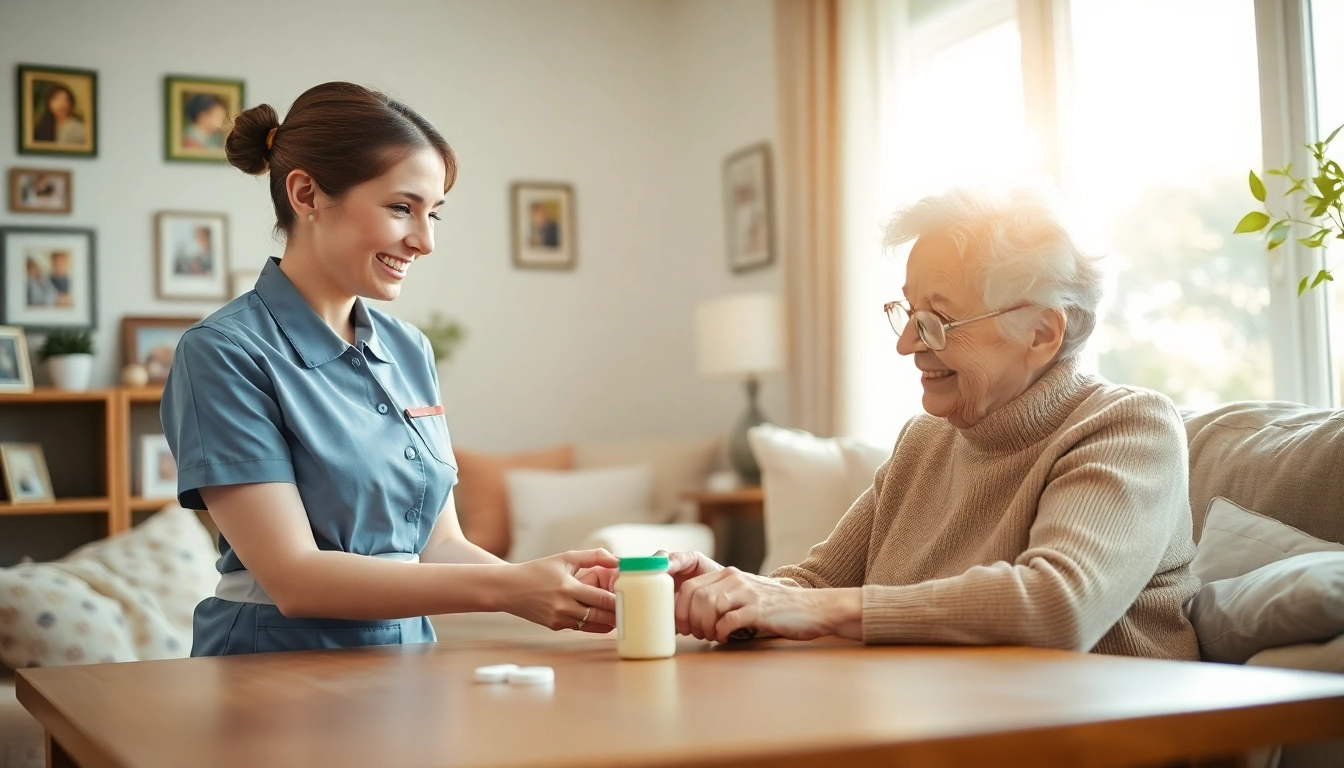
- Medication Management: Helping clients take their medications on time and ensuring that prescriptions are refilled as needed.
- Meal Preparation: Planning and preparing nutritious meals that cater to dietary restrictions and personal preferences.
- Housekeeping Duties: Maintaining a clean and safe living environment by handling chores like laundry, dusting, and vacuuming.
- Companionship: Providing emotional support and companionship, which is vital for mental well-being.
- Transportation: Assisting with transportation to appointments or social activities.
Benefits of Hiring an Elderly Care Maid
Engaging an elderly care maid comes with a plethora of benefits that significantly enhance the quality of life for senior citizens:
- Improved Quality of Life: By providing personalized care tailored to individual needs, elderly care maids ensure that seniors can continue to live independently and with dignity.
- Enhanced Safety: With their focus on habitability and safety, elderly care maids help minimize the risk of accidents or falls in the home.
- Emotional Support: Many elderly individuals face loneliness; companionship from a care maid can significantly improve their mental health and overall happiness.
- Relief for Family Caregivers: Hiring a care maid alleviates the stress on family members who may not have the time or training to provide the necessary care.
- Peace of Mind: Family members feel more secure knowing their loved ones are being cared for by qualified professionals.
Assessing Your Needs for Elderly Care
Before hiring an elderly care maid, it's essential to assess the specific needs and preferences of the individual requiring assistance. This evaluation will inform your decision-making and ensure that the right type of care is provided.
Identifying Requirements for Care
Understanding what types of support are required is a crucial first step. This can include:
- Physical Assistance: Determine if assistance with mobility is needed, such as help walking, using the bathroom, or managing daily activities.
- Health Monitoring: Identifying if there are chronic health conditions requiring regular monitoring.
- Social Engagement: Assessing the need for someone to engage in conversation, play games, or partake in activities that bring joy.
Evaluating the Level of Assistance Needed
Not all elderly individuals require the same level of care. Some may need comprehensive assistance, while others might only require light help with daily tasks. To evaluate the level of assistance required, consider the following:
- Daily Living Activities: Identify which activities of daily living (ADLs) the person struggles with and which they can manage independently.
- Health Considerations: Review any medical conditions that may influence the type of support needed.
- Emotional Needs: Understanding the emotional state can help dictate how much companionship is required to foster a sense of wellness.
Understanding Special Needs and Preferences
Every individual is unique, and understanding any special needs or preferences is vital in ensuring successful care. This can include:
- Cultural Needs: Respecting and accommodating cultural traditions in food or daily routines.
- Personal Preferences: Acknowledging the individual’s likes and dislikes—whether regarding food, activities, or routines—can help create a more comfortable and engaging environment.
How to Choose the Right Elderly Care Maid
Choosing the right elderly care maid is a crucial step to ensure that your loved one receives quality care tailored to their unique needs. The attributes, skills, and overall fit of the maid should resonate with both the elderly client and their family.
Qualities to Look for in an Elderly Care Maid
When searching for the right candidate, certain qualities can set stellar elderly care maids apart:
- Empathy: A deep understanding of the emotional and physical challenges faced by the elderly, exhibiting compassion and patience.
- Experience: Prior experience in elderly care or related fields, showcasing a familiarity with the tasks and challenges involved.
- Communication Skills: The ability to communicate clearly and effectively, especially in understanding the needs of the elderly client and family caregivers.
- Reliability: Punctuality and dependability are crucial traits that help build trust and ensure consistency in care.
- Flexibility: Adaptability to changing situations or specific needs that require immediate attention or adjustment in care methods.
Interview Tips for Selecting an Elderly Care Maid
Conducting interviews can be daunting, but asking the right questions is essential to determine if a specific elderly care maid is a good fit. Consider the following tips:
- Prepare Questions: Ask open-ended questions about their experiences, challenges faced in past positions, and coping strategies they used.
- Scenario-Based Questions: Present hypothetical scenarios to assess their problem-solving skills and decision-making abilities.
- Involve the Elderly Person: Whenever possible, allow the elderly person to be part of the interview process, to see how they connect with the maid.
Checking Credentials and References
Once you have narrowed down potential candidates, it's time to verify their credentials:
- Background Checks: Conducting thorough background checks to ensure the safety and reliability of the individual is paramount.
- Formal Education or Training: Review any certifications or training programs completed related to elderly care.
- References: Ask for references from previous employers and speak to them to gather insights into the candidate's performance.
Training and Support for Elderly Care Maids
Providing adequate training and continued support is essential in ensuring that elderly care maids are well-equipped to provide excellent care. This involves comprehensive initial training as well as ongoing training opportunities throughout their employment.
Essential Skills for Elderly Care Maids
Essential skills for elderly care maids go beyond basic care tasks. Key areas of focus should include:
- Communication Skills: Being able to communicate effectively with the elderly, their families, and other healthcare professionals.
- First Aid and CPR Certification: Knowledge of first aid and CPR can be life-saving in emergencies.
- Understanding of Common Health Issues: Awareness of common health conditions like Alzheimer’s, arthritis, and heart disease allows for better care management.
- Nutrition Knowledge: Understanding nutrition can assist in preparing meals that are both enjoyable and aligned with dietary restrictions.
Providing Ongoing Training and Resources
Ongoing education is crucial in keeping elderly care maids informed about best practices and new developments in elderly care. Key measures can include:
- Scheduled Workshops: Regular workshops focusing on new care techniques and developments in geriatric care enhance skills.
- Access to Online Resources: Providing online courses and resources can foster continuous personal and professional growth.
- Mental Health Support: Training that emphasizes the mental and emotional aspects of caregiving can help staff manage their wellbeing.
Building a Support System for Care Maids
Building a robust support system for elderly care maids can lead to improved job satisfaction and performance. Consider the following structures:
- Mentorship Programs: Pairing new hires with experienced maids can facilitate smooth onboarding and skill development.
- Career Advancement Paths: Creating pathways for advancement can boost morale and motivation.
- Regular Evaluations: Conducting performance reviews can allow for constructive feedback and recognition of accomplishments.
Measuring the Effectiveness of Care Provided
Measuring the effectiveness of care provides insights into the quality of services rendered by the elderly care maid and facilitates ongoing improvements. By establishing clear goals and regularly monitoring progress, families can ensure their loved ones receive the support they need.
Setting Care Goals and Monitoring Progress
Setting specific, measurable goals for care helps guide both the elderly care maid and the family. Effective practices include:
- SMART Goals: Implement SMART criteria (Specific, Measurable, Achievable, Relevant, Time-bound) when setting goals related to personal care, social interaction, and health monitoring.
- Regular Check-Ins: Schedule regular appointments with healthcare providers to review the health and wellbeing of the elderly individual, adjusting care plans as necessary.
Feedback Mechanisms for Family and Care Maid
Establishing feedback channels allows for open communication, ensuring all parties are aligned in care efforts. Consider:
- Weekly Reviews: Hold weekly check-ins to provide a platform for discussing concerns and successes openly.
- Anonymous Feedback Options: Allow the elderly care maid and family members to provide anonymous feedback to foster honesty without fear of consequences.
Adjusting Care Plans Based on Feedback
Care plans should be dynamic and willing to adapt based on the elderly individual’s changing needs and any feedback provided. This can involve:
- Reassessing Needs: Schedule periodic reassessments to ensure care is still aligned with requirements and preferences.
- Flexibility in Care Strategies: Encourage the elderly care maid to suggest adjustments whenever needed, ensuring that their insights and experiences are valued.