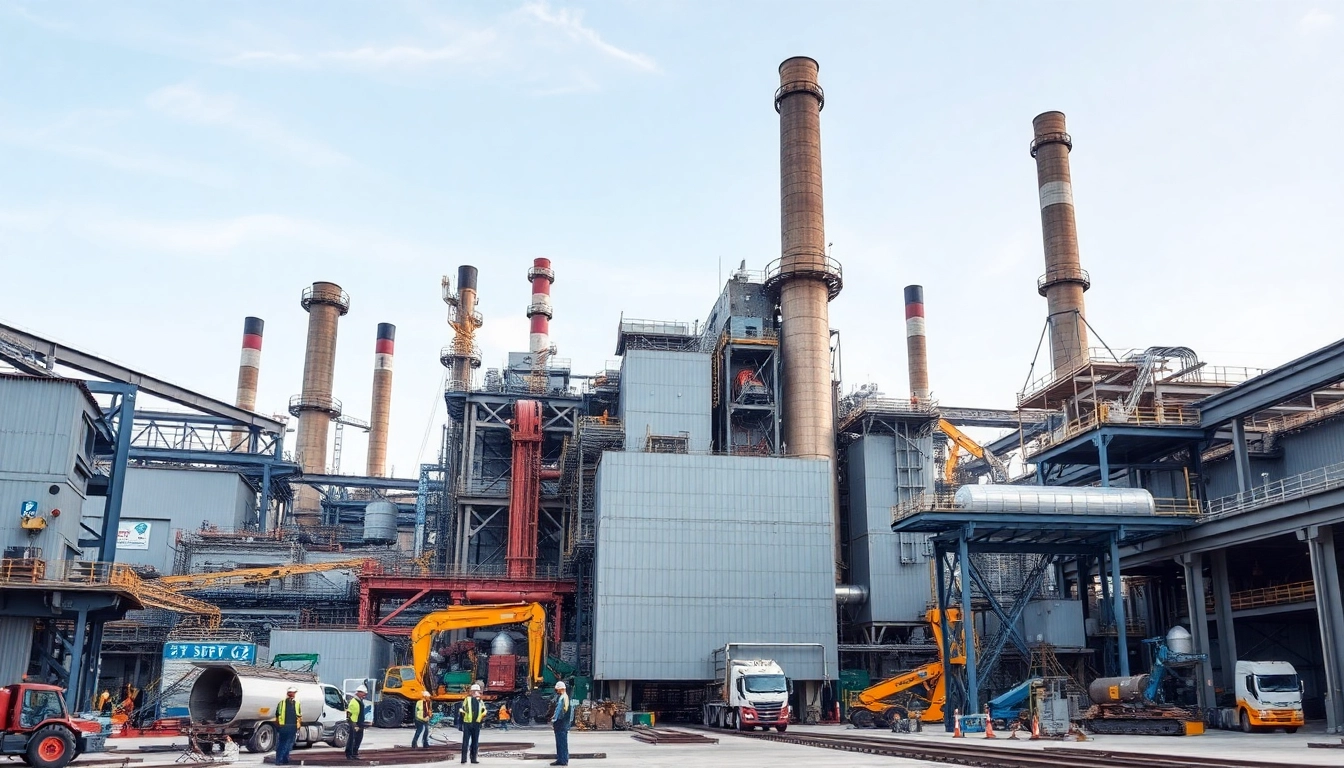
Understanding the Basics of Construction Classes
What Are Construction Classes?
Construction classes are educational programs designed to equip individuals with the knowledge and skills necessary for various roles within the construction industry. These classes cover a broad range of topics, from basic building techniques to advanced project management strategies. They serve as a foundation for those looking to enter the profession or enhance their expertise in specific areas. By enrolling in construction classes, students gain practical skills through hands-on training, which is crucial for success in this dynamic field. If you are looking to delve into the world of construction, exploring construction classes could be your first step towards a rewarding career.
Benefits of Attending Construction Classes
Attending construction classes offers numerous advantages that can significantly impact your career trajectory:
- Skill Acquisition: Gain essential skills like blueprint reading, project management, and safety protocols.
- Industry Insights: Learn from experienced instructors who share real-world knowledge and industry best practices.
- Networking Opportunities: Connect with peers, instructors, and industry professionals which can lead to mentorships and job leads.
- Increased Employability: Certifications from recognized construction programs can enhance your resume and make you more attractive to employers.
- Hands-On Experience: Many classes provide practical experience, allowing students to apply their knowledge in realistic scenarios.
Core Skills Taught in Construction Classes
Construction classes typically focus on a range of core skills that are essential for any aspiring construction professional:
- Blue Print Reading: Understanding architectural drawings and specifications is crucial for any construction project.
- Project Management: Skills in planning, scheduling, and managing resources are fundamental to completing projects on time and within budget.
- Building Codes and Regulations: Knowledge of local building codes and regulations ensures compliance and safety on job sites.
- Safety Procedures: Emphasis on workplace safety helps prevent accidents and promotes a safe working environment.
- Basic Carpentry and Electrical Skills: Practical knowledge in these areas equips students to perform diverse tasks in various projects.
Types of Construction Classes Available
Online vs. In-Person Construction Classes
When choosing construction classes, one major decision is whether to attend online or in-person classes. Each format has its benefits:
- Online Classes: Offer flexibility in scheduling and often allow students to learn at their own pace. This format is especially convenient for those working full-time or with family commitments.
- In-Person Classes: Provide immediate access to instructors for clarification and hands-on experiences that are often essential in construction training. This format promotes collaboration and networking opportunities directly with peers and industry professionals.
Certification and Licensing Programs in Construction Classes
Many construction classes lead to certifications or licensing, which are critical for working legally in many areas of the construction field. Common certifications offered include:
- OSHA Safety Certification: Ensures understanding of workplace safety standards set by the Occupational Safety and Health Administration.
- LEED Certification: Focuses on sustainable building practices and is valuable for those involved in green construction.
- Project Management Professional (PMP): Highlights advanced project management skills, beneficial for supervisory roles.
Each certification can significantly enhance job prospects and credibility in the construction industry.
Specialized Construction Classes for Different Trades
Construction is a highly diverse field with numerous specialties. Construction classes often cater to various trades, such as:
- Carpentry: Focuses on woodworking techniques, framing, and building structures.
- Electrical: Teaches electrical installations, safety regulations, and troubleshooting methods.
- Plumbing: Covers installation, maintenance, and repair of plumbing systems.
- Masonry: Focuses on building structures using bricks, stones, and concrete.
- HVAC: Provides knowledge about heating, ventilation, and air conditioning systems.
Choosing the Right Construction Classes
Factors to Consider When Selecting Construction Classes
Choosing the right construction classes can be the differentiator in your career. Consider these crucial factors:
- Accreditation: Ensure the program is accredited, as this will affect the recognition of your certification.
- Curriculum: Review the curriculum to ensure it covers the necessary skills relevant to your career goals.
- Instructor Experience: Check the qualifications and industry experience of your instructors, as practical knowledge enriches the learning experience.
- Student Reviews: Look for testimonials and reviews from past students to gauge the effectiveness of the classes.
Evaluating Instructors and Curriculum in Construction Classes
The quality of your instructors and the curriculum offered can greatly influence your learning experience. Here’s how to evaluate:
- Instructor Background: Investigate the professional history of instructors; those with extensive industry experience offer real-world insights.
- Teaching Style: Engage with multiple syllabi or introductory classes to determine the teaching methods that resonate with you.
- Hands-On Practice: Ensure the curriculum contains practical projects that allow for skill application.
Cost and Time Commitment of Construction Classes
Understanding the financial and time commitments associated with construction classes is essential:
- Costs: Tuition can vary widely depending on the location, duration, and type of program. Always compare options to find the best value.
- Time Commitment: Classes can range from short workshops to multi-month comprehensive programs. Consider how much time you can realistically dedicate without compromising other responsibilities.
Maximizing Learning and Outcomes from Construction Classes
Tips for Successful Participation in Construction Classes
To maximize your learning experience in construction classes, consider these tips:
- Be Engaged: Actively participate in discussions and ask questions to enhance comprehension.
- Practice Skills: Take exercises seriously; practical application reinforces learning.
- Seek Feedback: Don’t hesitate to request feedback on projects or assignments from instructors.
- Study in Groups: Collaborating with classmates can facilitate understanding and retention of complex topics.
Networking Opportunities Through Construction Classes
Networking is a pivotal aspect of career development in construction. Take advantage of opportunities such as:
- Peer Connections: Build relationships with fellow students, as they will be your future colleagues.
- Industry Events: Attend any seminars, workshops, or career fairs that may be part of your classes to meet potential employers.
- Instructors: Establish rapport with your instructors; they often have extensive networks within the industry.
Leveraging Skills Gained from Construction Classes in the Job Market
The skills acquired in construction classes can be invaluable in the job market:
- Craft a Strong Resume: Highlight your certifications and coursework that demonstrate your qualifications.
- Prepare for Interviews: Utilize your knowledge from classes to articulate your skills and understanding of the industry during interviews.
- Showcase Hands-On Experience: When applicable, discuss any practical projects you handled during your training, as employers value real-world applications.
Frequently Asked Questions about Construction Classes
What prerequisites are needed for construction classes?
Most construction classes require no prior experience, though it's helpful to have basic math skills to enhance your learning experience.
How long do construction classes typically take?
The duration varies; some classes can be completed in a few weeks, while others may last several months, depending on the program's depth and focus.
Are construction classes worth the investment?
Yes, they provide essential skills and knowledge that can lead to lucrative job opportunities in the industry, making them a worthwhile investment for many individuals.
Do construction classes offer job placement assistance?
Many programs include placement assistance or connections to industry employers after completion, helping graduates transition into employment smoothly.
Can I take construction classes online?
Yes, many institutions offer online construction classes with flexible schedules tailored to accommodate different learners, providing a convenient way to develop skills.